Iran Blockade Gains Leverage for US Talks
The U.S. naval blockade has halted over 90% of Iran's oil revenue, providing significant leverage for upcoming negotiations. Hardline elements within Iran's government are in firm control, complicating the diplomatic process. Investors should monitor the situation for potential impacts on global energy markets and regional stability.

Iran Blockade Gains Leverage for US Talks
The United States has significantly shifted its negotiating position with Iran by imposing a naval blockade. This action has stopped over 90% of Iran’s oil revenue.
This move gives the U.S. much stronger leverage heading into potential talks, a stark contrast to previous negotiations. The U.S. previously relied on a short cease-fire as its main bargaining chip.
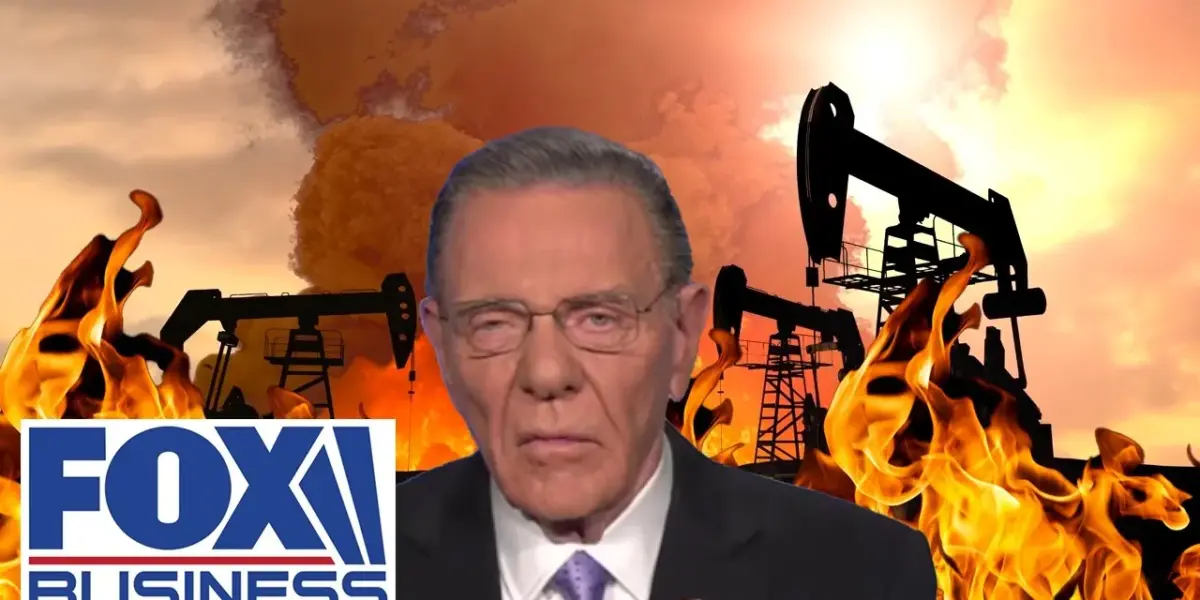
Retired Four-Star General Jack Keane explained that the blockade has halted all Iranian oil shipments since its implementation. The U.S. Navy has turned around 25 ships.
This forceful action has apparently surprised Iran. Keane stated this bold move by the President has provided significant leverage that was absent during prior discussions.
Key Demands for Iran
The primary U.S. goal in any negotiation is to dismantle Iran’s nuclear program. This includes demanding access to all enriched uranium.
The U.S. also wants Iran to dismantle technology used to build nuclear weapons and centrifuges. Keane stressed the critical need for international inspectors to have unrestricted access to any site at any time.
He noted that Iran has historically resisted such inspections. They have only allowed limited, pre-arranged visits. This has allowed them to hide illicit activities.
The U.S. insists this practice must end, demanding “anytime, anywhere” inspections. Another key demand is the reopening of the Strait of Hormuz.
Hardliners Control Iran’s Government
Keane believes that hardliners, particularly within the Islamic Revolutionary Guard Corps (IRGC), are firmly in control of Iran. He pointed to the IRGC leadership as wielding the most influence.
They have taken charge of the situation, even overriding other government officials. This is evident in actions like controlling the Strait of Hormuz.
A leadership vacuum exists following the death of the Ayatollah. The IRGC, described as “the guys with the guns,” have more power than political figures like the Foreign Minister.
This consolidation of power by hardliners means they are unlikely to easily abandon their objectives. U.S. negotiators are aware of this reality.
Potential for Escalation
If negotiations fail, the U.S. has significant military options. Beyond the blockade, returning to combat operations is a major threat.
Keane suggested that if Iran remains obstinate, the U.S. might directly target IRGC leadership. The message would be clear: personal security and regime survival depend on making a deal.
He also highlighted the potential destruction of key infrastructure like Kharg Island, a major oil export terminal. Such an action would be a severe blow to Iran’s economy. The U.S. has doubled its combat air power in the region since the conflict began.
Israel also possesses substantial military readiness. Any future military action would be far more formidable than previous engagements.
Market Impact
While the stock market futures showed only minor red at the open, influenced by broader market trends, the geopolitical developments in Iran carry significant weight. The focus on oil revenue disruption directly impacts global energy markets. Any escalation or de-escalation in the region could lead to volatility in oil prices and related industries.
Investors should monitor the progress of negotiations closely. The outcome will influence regional stability and global economic factors.
The threat of military action and its potential impact on oil supply chains remain a key concern. Companies involved in energy production and shipping could see their stock prices affected by these developments.
What Investors Should Know
The current situation presents a high-stakes negotiation driven by economic pressure. The U.S. has established significant leverage through a blockade that has crippled Iran’s oil exports. This is a critical development for investors watching geopolitical risks and their impact on energy markets.
The possibility of renewed combat operations or targeted strikes remains a concern. Investors should be aware of the potential for increased oil price volatility.
The resolve of Iran’s hardline leadership will be tested. The coming weeks will be crucial in determining the path forward, whether through diplomacy or further confrontation.
Source: Gen Jack Keane: We’re coming after you… (YouTube)

Related Articles

US Navy Seizes Iranian Ship Amidst Tense Standoff
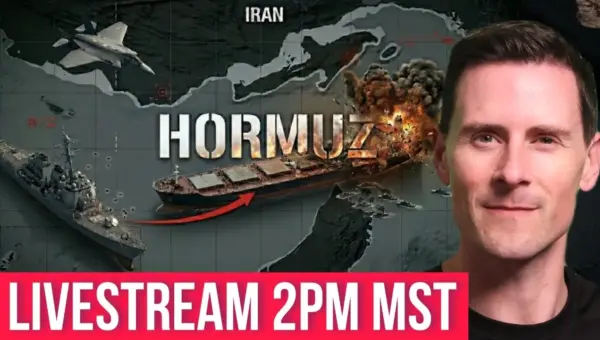
The U.S. Navy seized the Iranian cargo ship Touska near the Strait of Hormuz, disabling it with a 5-inch gun after it attempted to breach a naval blockade. This incident occurs as Iran reportedly falls under the control of a hardline IRGC general, raising concerns about future negotiations and escalating tensions.


Media War on Vatican Fuels US Empire’s End
Corporate media's attack on the Pope is seen as a tactic to distract from economic hardship and the costs of U.S. foreign policy. This narrative war, fueled by figures like Sean Hannity, mirrors historical power grabs and serves to protect the interests of the military-industrial complex.


Questions Mount Over Trump’s Health, Amid Geopolitical Tensions
Questions are mounting over President Trump's health and cognitive state amidst complex international negotiations. Iran's potential refusal to attend talks in Islamabad, following the seizure of a cargo ship, highlights ongoing geopolitical tensions and Iran's strategic leverage. Analysts suggest Trump's public appearances provide ample evidence of his current condition.