Ukraine’s Oil Attacks Sting Russia’s War Chest
Ukraine's persistent drone attacks on Russian oil refineries, including a recent major strike on the Tuapse facility, are significantly impacting Russia's war funding. Russian military bloggers express growing frustration over inadequate defenses and a disconnect between the war's reality and public life. This highlights Ukraine's strategic economic warfare and Russia's internal challenges.

Ukraine’s Oil Attacks Sting Russia’s War Chest
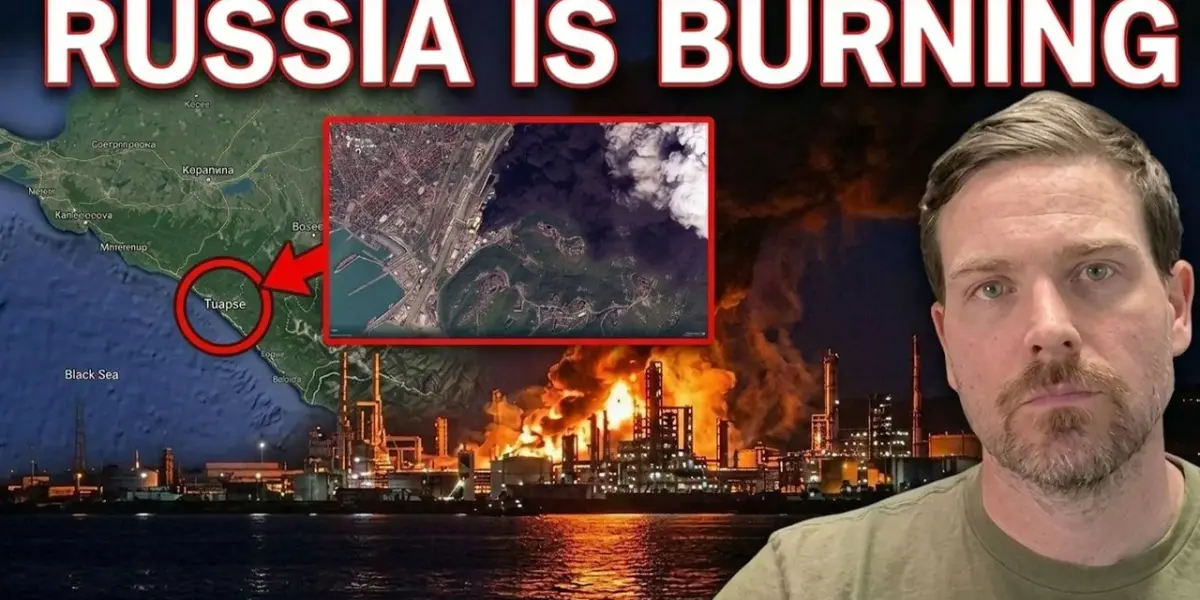
Ukraine continues to target Russia’s vital oil industry, hitting a major refinery and sparking fires that reportedly lasted for days. This latest strike on the Tuapse refinery, a key Black Sea port facility, marks a significant escalation in Ukraine’s efforts to disrupt Russia’s revenue streams.
The refinery, capable of processing 12 million tons of oil annually, is among Russia’s top ten. Its repeated targeting highlights Ukraine’s strategic focus on crippling Russia’s economic backbone.
Following the April 16th attack, a fire raged for days, and subsequent strikes only worsened the situation. The sheer scale of the damage is evident in footage showing flames engulfing the facility and oil raining down on surrounding areas.
This echoes similar incidents where strikes on Iranian oil facilities led to widespread oil contamination. These attacks are not isolated events; they coincide with the United States re-imposing sanctions on Russian oil, suggesting a coordinated effort to tighten the economic noose around Moscow.
Russian Frustration Mounts
Inside Russia, these persistent Ukrainian strikes are fueling anger and frustration among military bloggers and commentators. Many express alarm that Russia’s air defenses are failing to protect crucial infrastructure from regular drone attacks. Some voices even suggest the need for radical reforms or direct action against drone production facilities in Europe to counter the threat.
“It’s obvious that neither the current air defense system nor the Ministry of Defense are able to cope with the mass and regularity of Ukrainian drone attacks on Russian territory,” one prominent military informant stated. “We either need radical reform and changes in this area or the disabling of drone production facilities for the armed forces of Ukraine located in Europe. Otherwise, we still face major problems by the end of the year.”
This sentiment reveals a growing concern within Russia about the increasing precision and volume of Ukrainian attacks on its oil infrastructure. While these strikes may not immediately alter the war’s outcome, they are steadily eroding Russia’s ability to fund its military operations. The impact on Russia’s war-fighting capabilities is becoming a significant worry, as acknowledged by Russian sources themselves.
A Nation Divided
Beyond the battlefield and economic front, a deeper societal divide is becoming apparent within Russia. Many Russian commentators are lamenting that the war has not touched the lives of ordinary citizens, contrasting this with Ukraine’s total war effort. This disconnect breeds resentment, with some questioning why civilians remain unaffected while soldiers fight and die.
Another point of contention is the difficulty in recruiting new soldiers. Reports suggest that potential recruits are aware of the harsh treatment and high casualties faced by those already on the front lines. This lack of public engagement and growing disillusionment is a worrying sign for Russia’s long-term war effort.
Historical Context and Current Reality
For years, Russia has operated under the assumption that victory was inevitable, simply a matter of time after repelling Ukraine’s 2023 counteroffensive. This complacency, however, has allowed Ukraine to adapt and shift to a strategy of total war, dedicating all resources to achieving a military solution. The contrast is stark: while Ukraine prepares for victory, Russia remains concerned with trivial matters like the price of lattes.
The Donbas region remains a focal point, with Ukraine showing no signs of withdrawing. Russian military bloggers admit that defeating Ukraine on the battlefield under current circumstances is unlikely. Even a small remaining portion of Donetsk Oblast, a territory Russia has not yet captured, is seen as an insurmountable objective at the current pace.
Drones and Disillusionment
The dominance of Ukrainian drones is a major concern, with some Russian analysts admitting the military situation is worsening compared to previous years. Despite optimistic reports from superiors, the reality on the ground is different. Ukraine’s tactical advantages, partly due to factors like Starlink disruptions and Telegram suppression in Russia, are becoming increasingly evident.
The core problem, according to some Russian sources, is not equipment but people. A lack of value placed on soldiers’ lives and the absence of accountability for commanders contribute to a reluctance to enlist. Videos showing daily Ukrainian drone strikes on Russian infantry are a grim reminder of the human cost, a reality that can no longer be hidden from the Russian public.
Why This Matters
Ukraine’s successful targeting of Russian oil infrastructure is a critical development. It directly impacts Russia’s ability to finance its war and demonstrates Ukraine’s growing capacity for strategic strikes. The internal Russian commentary highlights a widening gap between the Kremlin’s narrative and the reality on the ground, potentially fueling further dissent and undermining public support for the war.
The situation highlights the importance of economic warfare in modern conflict. By degrading Russia’s oil revenue, Ukraine not only weakens its adversary militarily but also signals to the international community its resilience and strategic acumen. This, in turn, can influence diplomatic efforts and the continuation of international support for Ukraine.
Implications and Future Outlook
The continued attacks on Russian refineries suggest a long-term strategy by Ukraine to cripple Russia’s economy. This approach, combined with Western sanctions, could significantly hamper Russia’s ability to sustain its military campaign. The internal Russian debate about mobilization and the war’s impact on society indicates growing pressure on the Kremlin to address these challenges.
As Ukraine enhances its drone capabilities and targets key Russian assets, the conflict is likely to see an intensification of economic and strategic strikes. Russia faces a difficult choice: either significantly strengthen its defenses and address internal discontent or risk further erosion of its economic and military strength. The coming months will likely reveal whether Russia can adapt to these mounting pressures or if its war effort will continue to be hampered by these persistent Ukrainian actions.
The fundraiser for the 104th territorial defense brigade continues, with the goal of providing 35 vehicles. Nine have already been delivered thanks to donations for patches.
Source: A Major Russian Refinery Just Went Up in Flames (YouTube)

Related Articles
Ukraine, Germany Launch Drone Mass Production
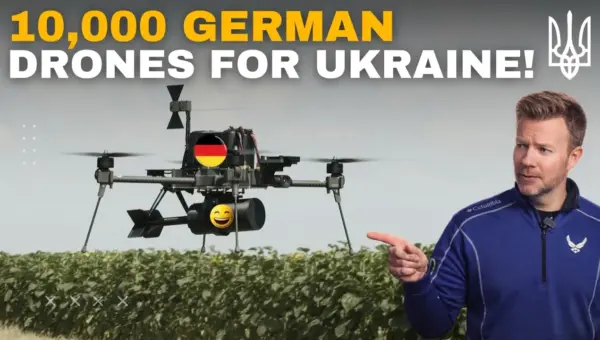
Ukraine and Germany have launched Quantum Frontline Industries (QFI) to mass-produce the Linsa tactical drone, aiming for over 10,000 units annually. This initiative shifts Ukraine's war effort towards industrial-scale drone warfare, creating a more stable supply chain independent of foreign aid.


US Actions Aid Putin, Fuel Iran Tensions, Analysts Claim
Analysts are criticizing recent U.S. actions, including seizing an Iranian ship and easing sanctions on Russian oil, claiming these moves benefit Russia and escalate Middle East tensions. Iran has vowed retaliation, jeopardizing planned peace talks, while oil prices have surged amidst the growing instability.


Russia Tries New Tactics Amid Ukraine Drone Offensive
Russia is reportedly gathering 20,000 troops for a new offensive in southeastern Ukraine, while Kyiv is adapting with integrated drone-assault units. Moscow is also developing its own satellite communication system, potentially challenging Ukraine's technological edge. The conflict's industrial and diplomatic dimensions are expanding, with Russia targeting European drone manufacturers, prompting diplomatic responses.