Hamas Support in Gaza: Analyst Reveals Low Popularity
Political analyst Yasa Abu Musa reveals that Hamas's support in Gaza has fallen to as low as 18%, with recent polls and protests indicating public dissatisfaction. However, the daily struggle for survival leaves Gazans preoccupied with basic needs, overshadowing political engagement.

Hamas Support in Gaza: Analyst Reveals Low Popularity
Despite controlling a significant portion of the Gaza Strip, Hamas is facing dwindling popular support, according to political analyst Yasa Abu Musa. Recent demonstrations against the group and polling data suggest a significant decline in public backing, though daily survival struggles occupy most Gazans’ attention.
Protests Against Hamas Erupt in Gaza
During periods of intense conflict in May 2025 and March 2025, Gaza witnessed numerous demonstrations against Hamas. These protests occurred under heavy Israeli fire, indicating a level of public dissent that went beyond mere fear.
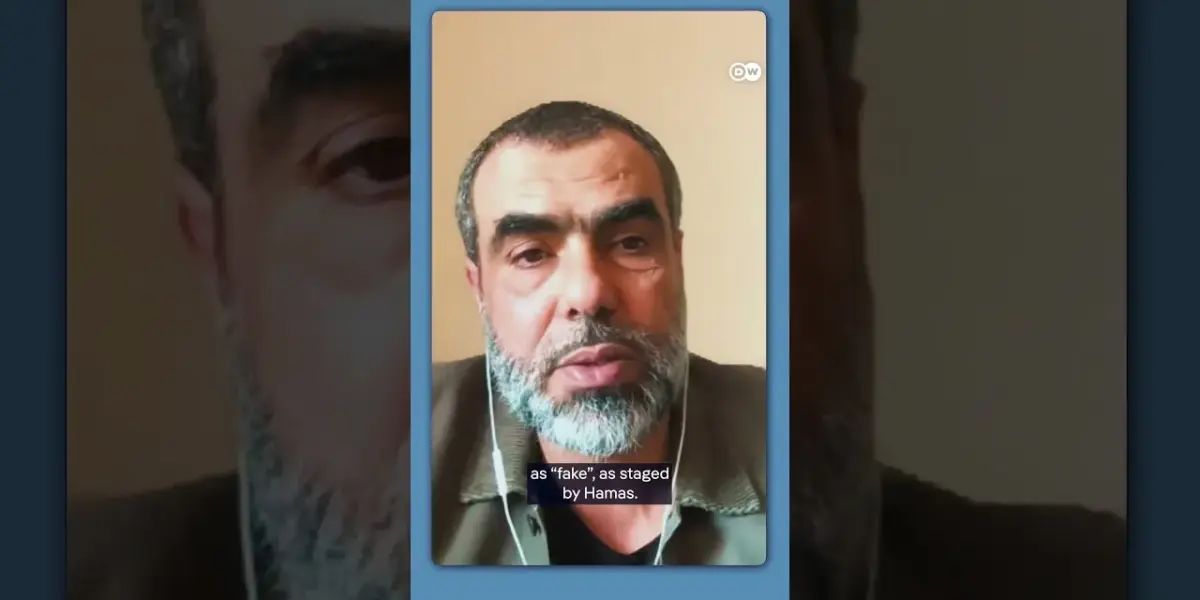
Political analyst Yasa Abu Musa, who has lived in Gaza for most of his life, believes these demonstrations were genuine. He noted that the Israeli government and its propaganda efforts attempted to dismiss these protests as staged by Hamas. Abu Musa asserts that this portrayal is inaccurate and that the protests reflected authentic public sentiment.
Polls Show Declining Hamas Popularity
Further evidence of Hamas’s waning support comes from recent polling data. According to surveys conducted in December 2025, Hamas’s public backing had fallen as low as 18%. This figure suggests that the group does not enjoy widespread support beyond its core members.
Abu Musa stated that he believes Hamas is not enjoying support from more than its core members. This low percentage indicates a significant disconnect between the group’s control and the will of the people it governs.
Daily Survival Over Politics
The primary reason for the lack of widespread political engagement or vocal opposition to Hamas, according to Abu Musa, is the overwhelming focus on daily survival. Residents of Gaza are deeply preoccupied with securing basic necessities like water and food.
This constant struggle for survival leaves little room for political activity or contemplation. People are too busy acquiring essentials to think about politics or express their views on Hamas or other political entities. Abu Musa described this situation as alarming and damaging to the Palestinian cause.
Survival Skills Become a Necessity
The prolonged conflict and difficult living conditions have honed the survival skills of Gazans. These skills, while crucial for enduring hardship, have also shifted their focus away from political considerations.
Abu Musa highlighted that Gazans have developed lethal survivor skills, becoming ready to do almost anything for basic needs like a sack of flour. This intense focus on survival means they are totally occupied and busy with staying alive, leaving little energy or attention for political matters concerning Hamas or Israel.
Broader Implications and Future Outlook
The findings suggest a complex reality within Gaza, where Hamas maintains control despite low popular support. The ongoing humanitarian crisis and the daily struggle for survival create an environment where political dissent is difficult to organize or sustain.
As the situation continues, the focus on basic survival may inadvertently strengthen the status quo, making it harder for alternative voices to emerge. The international community faces the challenge of addressing the humanitarian needs while also considering the political dynamics at play within Gaza.
What’s Next
Future polls and observed public actions will be critical in understanding any shifts in Gazan sentiment. The ongoing humanitarian efforts and any changes in the broader regional political climate could also influence the internal dynamics within Gaza.
Source: How much support does Hamas really have in Gaza? (YouTube)

Related Articles


Trump’s Iran Gamble: A Risky War Fueled by Distraction?
Tensions with Iran are escalating, with the Strait of Hormuz at risk and diplomatic talks faltering. Analyst Maryanne Williamson suggests the conflict may be a distraction from domestic issues and criticizes the U.S. government's long-standing reliance on military force over diplomacy. The situation raises serious questions about leadership, strategy, and the human cost of war.


American Dream Fades: Only 38% Believe It Exists for All
New polling reveals a significant decline in belief in the American Dream, with only 38% of Americans feeling it exists for everyone. Soaring education costs and widening wealth inequality are cited as major reasons for this disillusionment, leading to widespread frustration and a questioning of societal fairness.


Iran Talks Stall Amid US Ship Seizure, Scientists Vanish
Peace talks between the U.S. and Iran are in jeopardy following the U.S. military's seizure of an Iranian ship. Analysts point to internal divisions within Iran as a major obstacle to any potential deal. The report also covers the concerning trend of missing or deceased scientists and a tragic mass shooting in Louisiana.