Trump Claims Xi Letter Acknowledged Halt to Weapon Sales
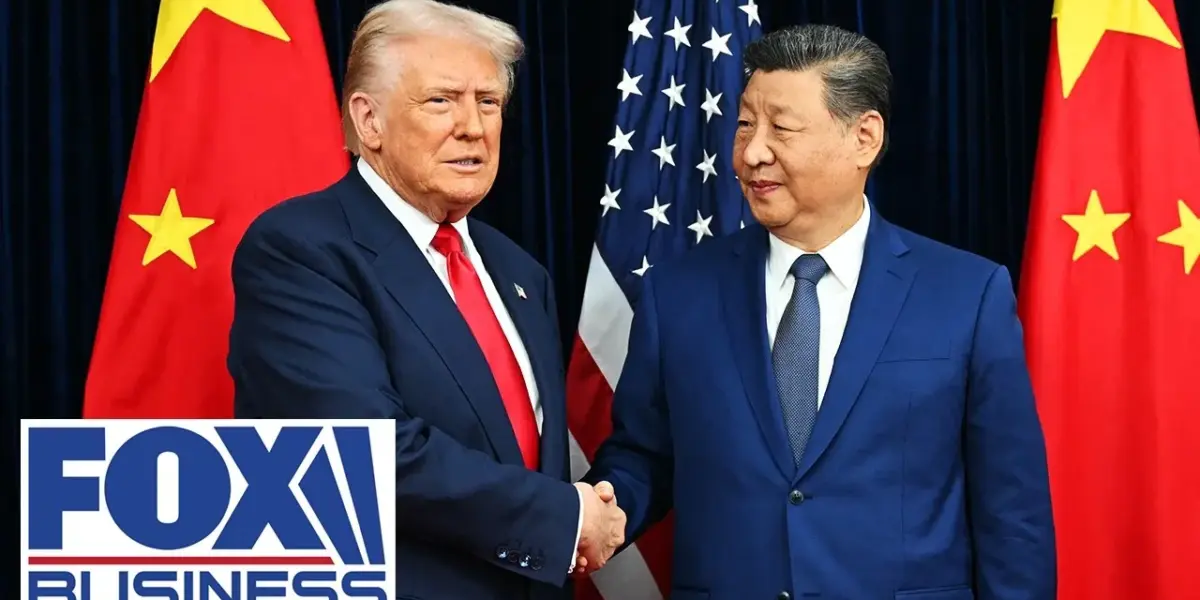
Former President Donald Trump revealed that Chinese President Xi Jinping sent him a letter acknowledging a halt to weapon sales. Trump also discussed his tough trade policies against China, including significant tariffs on cars and other goods. These trade actions and ongoing geopolitical tensions can create market uncertainty for investors.

Trump Claims Xi Letter Acknowledged Halt to Weapon Sales
Former President Donald Trump stated that Chinese President Xi Jinping sent him a letter acknowledging a halt to China’s provision of weapons. Trump described the letter as a response to one he had previously sent to Xi. He indicated that the communication occurred because he had heard reports of China supplying weapons globally. Trump asserted that Xi’s letter essentially confirmed China was not providing these weapons.
This exchange was mentioned in the context of an upcoming cabinet meeting focused on global oil dynamics, particularly concerning Iran and Venezuela. Trump suggested that this communication with Xi did not alter the dynamic of his meetings with the presidency. He also touched upon the ongoing cyber threats, mentioning a major cyber attack attributed to China by the FBI. When asked about potential responses, Trump indicated a tit-for-tat approach, stating “They do it to us, we do it to them.” He did not specify when a U.S. cyber attack might have last occurred, suggesting that market indicators would reveal such information.
Tough Stance on China Trade
Trump reiterated his strong stance on trade with China, highlighting his past actions. He pointed to imposing a 100% tariff on Chinese cars, stating this policy prevented Chinese cars from entering the U.S. market. He contrasted this with Europe, which he claimed is currently being overwhelmed by Chinese vehicles, damaging European car manufacturers. Trump also mentioned imposing a 20% tariff on Chinese goods related to the fentanyl crisis, calling it a penalty. He further claimed to have implemented a 145% tariff at one point, which he believes pushed Chinese companies close to bankruptcy.
Despite his tough trade policies, Trump maintained that he has a good relationship with President Xi. He also referenced the TikTok situation, noting the significant financial implications of the platform for China. However, he suggested that other trade issues are more substantial than TikTok’s financial value. Trump recalled that a proposed deal regarding TikTok faced strong opposition, with President Xi reportedly saying it was a “hard no.” He also mentioned that American business people had become involved, investing billions of dollars.
Market Context and Investor Insight
The discussions around trade tariffs and international relations with China have significant implications for global markets. Tariffs, which are taxes on imported goods, can increase the cost of goods for consumers and businesses. They can also lead to retaliatory tariffs from other countries, disrupting supply chains and potentially slowing economic growth. For investors, these actions can affect the profitability of companies involved in international trade and manufacturing.
Companies that rely heavily on manufacturing in China or exporting to the U.S. could see their costs rise or sales fall due to tariffs. Conversely, domestic industries that compete with Chinese imports might benefit from reduced competition. The ongoing tensions and negotiations between the U.S. and China create uncertainty, which can lead to market volatility. Investors often look for stability, and trade disputes introduce an element of unpredictability into investment strategies.
Furthermore, cyber security remains a critical concern for businesses and governments worldwide. Major cyber attacks can disrupt operations, lead to data breaches, and damage reputations. The attribution of such attacks to state actors like China raises geopolitical risks, which can also influence market sentiment and investment decisions. The potential for cyber warfare adds another layer of complexity to the international economic landscape.
The mention of oil prices and dynamics related to Iran and Venezuela highlights the interconnectedness of geopolitical events and energy markets. Fluctuations in oil supply due to sanctions or political instability can impact inflation and the cost of doing business across various sectors. Investors in the energy sector, as well as industries heavily reliant on oil, closely monitor these developments.
What Investors Should Know
- Trade Policy Uncertainty: Continued trade disputes and tariff implementations can create volatility in stock markets and impact companies with global supply chains.
- Geopolitical Risks: International relations, including cyber security concerns and diplomatic communications, can influence investor confidence and market stability.
- Sector Impact: Industries such as technology, automotive, and energy are particularly sensitive to U.S.-China relations and global commodity prices.
- Long-Term Outlook: Investors should consider how ongoing trade negotiations and geopolitical tensions might shape the long-term economic environment and adjust their portfolios accordingly.
Source: Trump reveals SHOCKING letter from Xi (YouTube)

Related Articles

Vance Criticizes Pope on Theology, Trump Weighs In
Vice President J.D. Vance drew sharp criticism for questioning the Pope's theological pronouncements, with critics calling his stance arrogant. Former President Donald Trump also weighed in, criticizing the Pope's comments on Iran. The exchanges highlight tensions between political figures and religious leaders.
Trump Rejects 20-Year Iran Nuclear Deal Moratorium
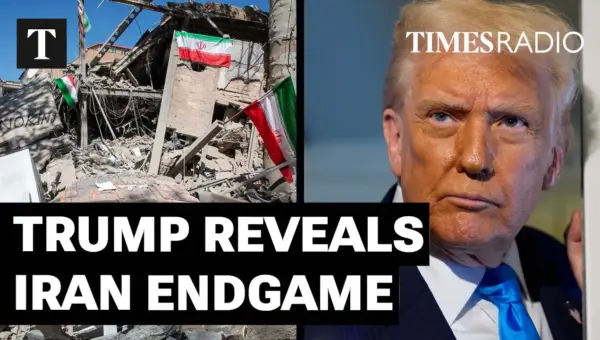
President Trump has rejected a 20-year moratorium on Iran's nuclear enrichment, demanding complete denuclearization instead. In direct calls with a reporter, Trump expressed his firm stance and discussed potential upcoming peace talks in Islamabad. His communication style, marked by direct calls and mood shifts, offers a unique view into ongoing diplomatic efforts.

Trump Sues Journal, Then Faces Them at Gala
Donald Trump, who has a history of suing news outlets, will attend the White House Correspondents' Dinner. The Wall Street Journal, an outlet he has legally challenged over Epstein-related reporting, will receive an award at the same event. This creates a unique and symbolic juxtaposition of political power and media scrutiny.