Iran’s Leadership in Disarray as US Oil Blockade Bites
The U.S. has implemented a significant oil blockade on Iran, cutting off an estimated $450 million in daily revenue and exacerbating internal leadership divisions. This financial pressure impacts Iran's ability to negotiate and has ripple effects on global energy markets, particularly affecting China.

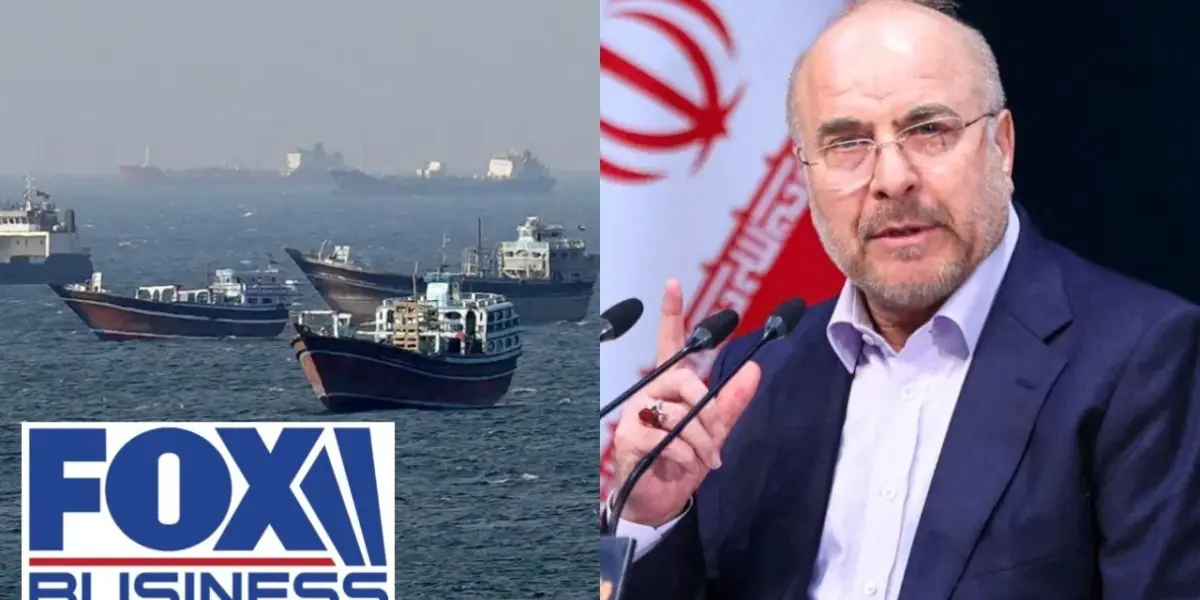
Iran’s Leadership in Disarray as US Oil Blockade Bites
The United States is maintaining a critical blockade on Iran, cutting off an estimated $450 million in daily revenue for the Iranian regime. This move is significantly impacting Iran’s ability to fund its operations and negotiate effectively on the international stage. The U.S. demand for Iran to negotiate further remains firm, while Iran seeks the removal of this financial pressure.
This financial pressure comes as President Trump announced a temporary extension of a ceasefire, with further talks anticipated. However, the U.S. stance is clear: no American officials will attend upcoming talks in Pakistan until Iran presents a negotiator capable of making binding agreements. This highlights a reported breakdown in Iran’s internal power structure.
Internal Power Struggle within Iran
Experts point to a division within Iran’s leadership between political figures and the Islamic Revolutionary Guard Corps (IRGC), the country’s military command. The head commander of the IRGC has reportedly stated he is not taking direction from politicians. This internal conflict creates a situation where Iran lacks a unified voice or the authority to commit to international agreements.
The U.S. strategy, described as both masterful and devastating for Iran, involves a sophisticated naval operation. While approximately 10% of U.S. naval forces are focused on this blockade, the rest continue global operations. The U.S. Navy is implementing a strategy of “point defense” near Iranian ports to prevent oil exports and “zone defense” to intercept sanctioned ships attempting to reach Iran.
Navigating Global Trade Routes
This blockade is designed to allow allied ships to move freely through key waterways while constraining Iran. The U.S. Navy is working to ensure that components or systems that could aid Iran’s ballistic missile program do not enter the country. There is also an ongoing effort to encourage allied nations to assist in escorting ships through critical areas like the Strait of Hormuz.
The impact of Iran’s oil blockade extends beyond its borders, significantly affecting China. Roughly 90% of Iran’s oil exports previously went to China.
This disruption has put pressure on Beijing, as Iran and Venezuela’s oil combined previously accounted for 18% of China’s oil imports. China’s leader, Xi Jinping, has reportedly sought assistance from Saudi Arabia to help open trade routes.
China Caught in the Squeeze
China finds itself in a difficult position. Despite its partnership with Iran, the U.S. blockade is impacting its energy supply.
Reports suggest that China may be attempting to discreetly provide dual-capable parts to the IRGC, potentially to help them continue their operations. This action occurs while the U.S. observes China’s reluctance to pressure Iran to cease attacks on American interests.
The current geopolitical moves by the U.S. are shifting global dynamics. The strategy appears to be creating disadvantages for nations that have previously operated with more freedom. The focus remains on Iran’s internal instability and its inability to negotiate effectively, compounded by the severe financial strain imposed by the U.S. oil blockade.
Market Impact
The U.S. oil blockade on Iran is a significant factor in global energy markets. By restricting Iran’s oil exports, the U.S. aims to limit the regime’s financial resources. This action can influence global oil prices by reducing overall supply, though the extent of this impact depends on how effectively other oil-producing nations can compensate for the shortfall.
For investors, the situation highlights the geopolitical risks associated with energy supplies. It also highlights the effectiveness of targeted financial sanctions as a foreign policy tool. The ongoing tensions and potential for further escalation require careful monitoring by those invested in energy sectors or companies with significant exposure to the Middle East and China.
What Investors Should Know
The U.S. blockade is directly impacting Iran’s economy, reportedly cutting off hundreds of millions of dollars per day. This financial pressure is a key element in U.S. foreign policy and negotiation strategy. Investors should understand that such geopolitical actions can create volatility in commodity markets, particularly oil.
The situation also affects China’s economic interests, potentially leading to shifts in its energy sourcing and trade relationships. The intricate web of international relations means that actions taken by one nation can have far-reaching consequences for global trade and investment. The next round of talks, if they occur, will be closely watched for any signs of a resolution or further escalation.
Source: There is a breakdown within Iran’s leadership, security analyst explains (YouTube)

Related Articles

Hungary Elects New Leader, Shifting EU Power Dynamics
Hungary's recent election has removed Viktor Orbán from power after 16 years, signaling a major shift in European Union politics. The new government, led by Peter Magyar, aims to reintegrate Hungary into EU norms and strengthen its stance against Russian and Chinese influence. This change could lead to greater unity within the EU on foreign and security policy.
US-Iran Talks Stall Amidst Internal Iranian Divisions
U.S.-Iran negotiations are stalled due to deep divisions within the Iranian leadership, particularly the growing influence of the IRGC. Despite a ceasefire extension, key questions remain unanswered about the path forward, the leverage Iran holds, and the potential for internal unrest within the country.

Congressman Slams Senator’s Iran Stance: ‘Cheer for US, Not Them’
Congressman Pat Fallon sharply criticized Senator Chris Murphy's recent social media post about Iran. Fallon argued that elected officials should support the U.S. and not appear to cheer for adversaries like Iran. The discussion also covered the resignation of a congresswoman facing fraud allegations.