Musk’s Data Mining Demands Probe Before 2028
Calls are mounting for Democrats to investigate Elon Musk's past actions regarding data privacy and the shutdown of critical systems. The demand for accountability aims to deter future misconduct and set a precedent for tech leaders.


Musk’s Data Mining Demands Probe Before 2028
As the next election cycle approaches, a growing call within the Democratic party is for a serious investigation into Elon Musk’s past actions, particularly concerning data privacy and the handling of sensitive information. This push centers on allegations of data theft and the shutting down of critical systems, with the aim of ensuring accountability and preventing similar incidents in the future.
The core of the concern revolves around Elon Musk’s alleged activities while in charge of various companies. Critics claim that his organizations were sifting through and potentially stealing the personal data of millions of Americans. This raises serious questions about the protection of private information today and the responsibilities of powerful tech leaders.
A specific point of contention mentioned is the alleged unilateral closure of a system referred to as USID. This action, according to the transcript, is linked to the loss of many lives, though the exact nature of this connection and the identity of USID are not detailed. The implication is that this decision had severe, unforeseen consequences for a significant number of people.
The sentiment expressed is that many politicians have seemingly forgotten or overlooked these serious allegations. There’s a feeling that the public and political spheres have moved on without proper resolution or understanding of the events. This perceived lack of memory fuels the demand for a thorough investigation now.
The argument for an investigation is strongly rooted in the principle of accountability. Proponents believe that holding individuals, especially those in positions of power, responsible for their actions is crucial. This is not just about punishing past wrongs but also about setting a clear precedent.
Why This Matters
The push for an investigation into Elon Musk’s past actions highlights a broader debate about technology, data privacy, and corporate responsibility. At a time when personal data is a valuable commodity, understanding how it is collected, used, and protected is paramount. The potential for misuse by powerful individuals or organizations poses a significant threat to individual liberties and democratic processes.
This focus on accountability serves a vital purpose: deterrence. By thoroughly investigating past alleged wrongdoings and, if warranted, holding individuals accountable, future administrations and business leaders may be discouraged from engaging in similar practices. It sends a message that such actions will not be ignored and will face scrutiny.
The call for action before the 2028 elections suggests a strategic political move. By bringing these issues to the forefront, Democrats aim to draw a clear distinction between their party’s values and those of their potential opponents. It’s an effort to define the terms of the debate around technology regulation and corporate power.
Historical Context and Background
The transcript implicitly references a period where major tech companies, including those led by Elon Musk, have grown exponentially in influence and reach. This growth has often outpaced regulatory frameworks, leading to ongoing discussions about how to govern the digital world. Past controversies surrounding data breaches and privacy violations at various tech firms provide a backdrop for these concerns.
The mention of USID, while vague, could allude to specific technological infrastructure or platforms that have been central to public services or critical operations. The alleged shuttering of such a system, if true, would represent a significant disruption with potentially far-reaching consequences, especially if it impacted public safety or essential services.
Implications, Trends, and Future Outlook
If an investigation is launched, it could lead to greater scrutiny of tech executives and their companies. This might result in new regulations concerning data collection, usage, and the security of critical digital infrastructure. Such a move could also influence public perception and voting patterns leading up to the 2028 elections.
The trend towards demanding accountability from powerful figures in the tech industry is likely to continue. As technology becomes more integrated into our lives, the public and policymakers are increasingly aware of the potential risks. Future elections may well feature debates on tech regulation and data protection more prominently.
The ultimate outcome depends on political will and the ability to gather concrete evidence. However, the mere fact that this is being discussed signals a shift in how past actions of tech leaders are being viewed. It suggests a future where greater transparency and accountability are expected from those who wield significant technological power.
The specific focus on Elon Musk by some within the Democratic party indicates a desire to confront a high-profile figure. This could set a precedent for how other influential figures in the tech world are treated. The political landscape of 2028 may be significantly shaped by how these issues of accountability are addressed in the coming years.
Source: Democrats NEED To Do This In 2028 (YouTube)

Related Articles

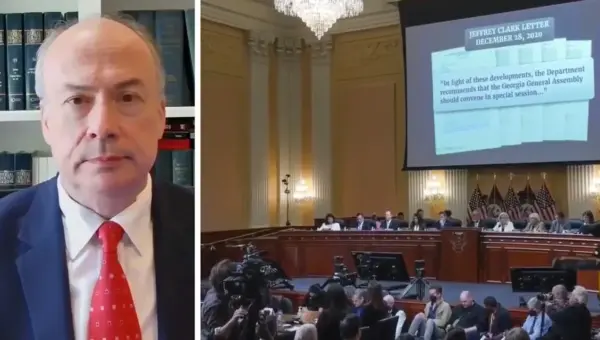
DOJ Accused of ‘Radical Weaponization’ in Politically Motivated Attacks
Jeff Clark, Vice President of Litigation at The Oversight Project, alleges that the "Arctic Frost" operation was a politically motivated effort to target him and former President Trump. He describes enduring years of legal battles and personal attacks following his advice to investigate the 2020 election. Clark calls for "radical accountability" within the Justice Department to prevent future weaponization of the legal system.


JFK’s Grandson Demands Trump Accountability, Urges Voter Focus
JFK's grandson and Democratic candidate Jack Schlossberg is calling for former President Donald Trump to be held accountable for alleged crimes. He also urges Democrats to focus on voter concerns like affordability to improve their electoral prospects. Schlossberg believes a dual approach is vital for both justice and political success.


UK Pursues Justice as US Faces Elite Accountability Crisis
The United Kingdom is facing political pressure over an ambassador with alleged ties to Jeffrey Epstein, signaling a push for accountability. Meanwhile, the United States is criticized for appearing to shield powerful individuals with similar connections from scrutiny. This contrast raises questions about justice and elite accountability on the international stage.