RFK Jr. Faces Congress on HHS Priorities, Cites ‘War on Kids’
Robert F. Kennedy Jr., testifying before the House Ways and Means Committee, voiced strong concerns about current health policies he believes are harming children, calling it a 'war on kids.' He criticized regulatory capture and called for greater transparency within the Department of Health and Human Services. Lawmakers questioned him on his vision for the agency's priorities.

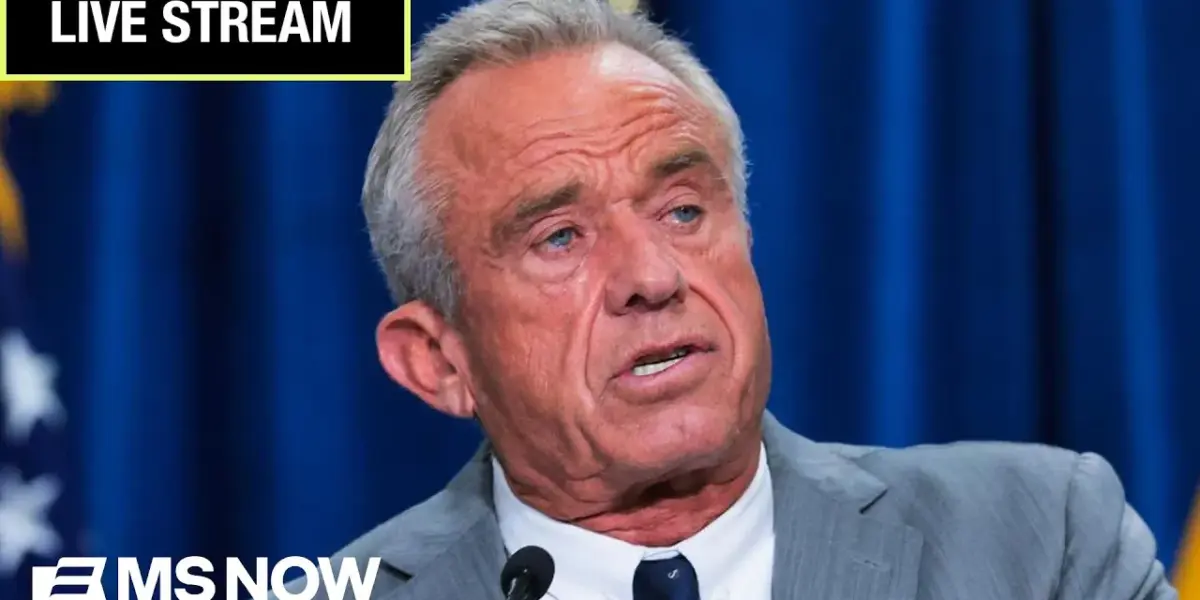
RFK Jr. Defends HHS Priorities Before House Committee
Robert F. Kennedy Jr., the head of the Health and Human Services Department’s Office of Information and Regulatory Affairs (OIRA), appeared before the House Ways and Means Committee on Capitol Hill today.
He was there to discuss the agency’s priorities and faced sharp questioning from lawmakers. The hearing focused on the department’s role in shaping health policy and its impact on American families.
Concerns Raised Over ‘War on Kids’
A significant portion of the testimony centered on Kennedy’s strong criticisms of current government policies he believes are harming children. He specifically pointed to the influence of the pharmaceutical industry and what he described as a ‘war on kids.’ Kennedy argued that regulatory bodies and health agencies have failed to protect children from harmful products and practices.
“We have a situation where the regulatory agencies are captured by the industries they are supposed to regulate,” Kennedy stated during the hearing. He expressed deep concern that children are being exposed to dangerous chemicals and substances without adequate oversight. This perspective suggests a fundamental disagreement with the status quo of health and safety regulations.
Focus on Regulatory Capture and Transparency
Kennedy elaborated on the concept of regulatory capture, where industries gain undue influence over the agencies meant to police them. He suggested that this capture leads to policies that prioritize corporate profits over public health, especially for the most vulnerable populations. His testimony called for greater transparency and accountability within the department.
The hearing provided a platform for Kennedy to voice his long-held beliefs about the intersection of industry influence and public health policy. He emphasized the need for OIRA to act as a crucial check on regulatory actions that could negatively affect children. This focus highlights his commitment to reforming the oversight process.
Lawmakers Grill HHS Nominee on Agency Direction
Members of the House Ways and Means Committee pressed Kennedy on his vision for OIRA and its role within HHS. They sought to understand how his office plans to implement changes and address the concerns he raised. The questioning aimed to gauge his approach to policy development and his ability to navigate the complex federal bureaucracy.
The committee’s oversight is a standard part of the confirmation process for high-level officials. Lawmakers use these hearings to scrutinize nominees and ensure they align with congressional priorities. Today’s session served as a critical moment for Kennedy to articulate his agenda and for Congress to assess his suitability for the role.
Broader Implications for Health Policy
Kennedy’s testimony signals a potential shift in how regulatory reviews are conducted within HHS. His emphasis on protecting children from perceived harms suggests a more aggressive stance against industry practices that have long been accepted. This could lead to stricter regulations and more thorough reviews of products and policies affecting young people.
The debate over regulatory capture and the protection of children’s health is a complex one. It involves balancing economic interests with public well-being. Kennedy’s vocal stance places him at the center of this ongoing discussion, potentially influencing future health and safety standards for the nation’s youth.
Looking Ahead: Policy Reform and Oversight
Following his testimony, attention will turn to how Kennedy’s office implements his stated priorities. The effectiveness of his approach will depend on his ability to enact meaningful reforms and withstand potential opposition from powerful industry groups. Future hearings and policy decisions will reveal the extent of his influence within the department.
The coming months will be crucial for observing the practical application of Kennedy’s agenda. Congress will likely continue to monitor OIRA’s actions closely. The public will also be watching to see if the promised changes translate into tangible improvements in child health and safety regulations.
Source: LIVE: RFK Jr. testifies on Capitol Hill on HHS priorities (YouTube)

Related Articles
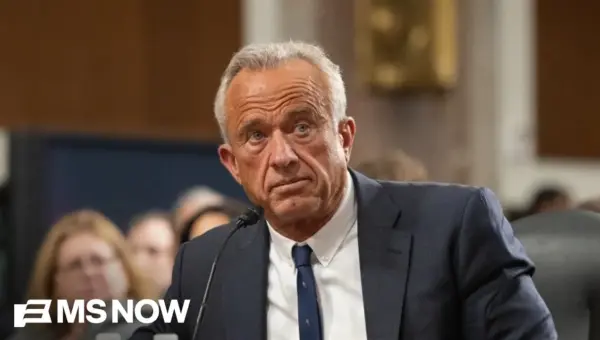
RFK Jr. Chops Raccoon Penis in Shocking Roadside Discovery
Robert F. Kennedy Jr. reportedly stopped his car on I-684, removed the penis from a dead raccoon, and brought it home while his children were in the vehicle. The incident, detailed in a new book, has drawn widespread shock and calls for transparency regarding his research.
Swalwell’s Capitol Hill Conduct: An Open Secret No More
Congressman Eric Swalwell's resignation followed years of 'open secret' allegations about his conduct. His staff's distrust and a formal expulsion motion finally brought the issue to light, raising questions about accountability in Washington.
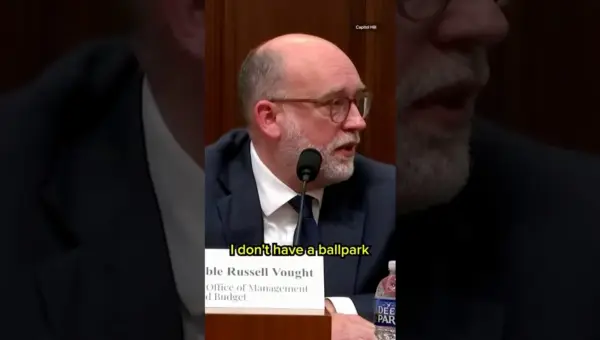
White House Won’t Estimate Iran Conflict Cost, Cites Ongoing Work
White House budget director Russ Vought stated that the administration has not yet determined how much money it will ask Congress to fund for the Iran conflict. Appearing before lawmakers at a House budget hearing, Vought admitted he does not have even a rough estimate, saying, "We're still working on it." This lack of a clear financial projection comes as tensions remain high in the region.