Russia’s UN Envoy Mocks Ukraine as ‘Expendable’
Russia's UN envoy Vasily Nebenzya sparked controversy by calling Ukrainians 'expendable material' and blaming the West for prolonging the war. Ukraine's UN representative countered with stark casualty projections for Russia. Meanwhile, the EU is moving to approve a 90 billion euro aid package for Ukraine, while internal criticism emerges from Russian pro-war channels regarding infrastructure defense.

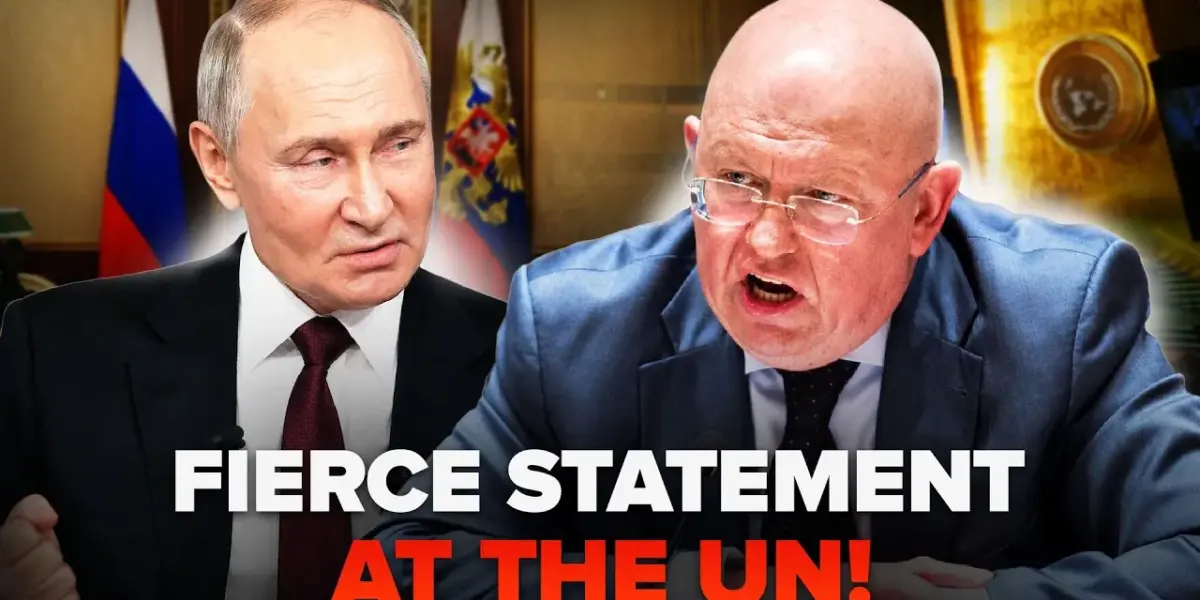
Russia’s UN Envoy Mocks Ukraine as ‘Expendable’
During a United Nations Security Council meeting, Russia’s UN envoy Vasily Nebenzya made controversial remarks about Ukrainians. He referred to them as “expendable material” and accused the West of prolonging the conflict.
Nebenzya claimed Ukraine was buying time for Europe to prepare for a potential war with Russia. These statements were made in response to Ukraine’s request for the meeting following recent Russian strikes on civilian areas.
The Belgian chief of defense, Frederick Vancina, was also mentioned as stating that Ukraine is essentially purchasing time for European nations to get ready for a conflict. This support, according to this view, is why Ukraine receives financial aid and loans. Ordinary Ukrainians, in this grim assessment, are seen as expendable, and the difficulty in finding enough men to fight is growing.
Russia’s representative also accused Ukraine of violating a ceasefire and described European countries as “hopelessly Russophobic.” Nebenzya asserted that the primary reason for the ongoing conflict is the desire of Ukraine’s leadership and many European leaders to continue the war. He dismissed these claims as the product of the “corrupt leader of the Kyiv regime” trying to sell a false narrative to receptive European leaders.
Ukraine’s Counterpoint at the UN
Ukraine’s Permanent Representative to the UN, Andriy Yermak, presented a starkly different perspective. He countered Nebenzya’s remarks by calculating the potential cost of Russia’s territorial ambitions. Yermak suggested that each square kilometer of Ukrainian territory could cost Russia around 250 soldiers’ lives.
Using this grim calculation, Yermak estimated that seizing the entire Donbas region, which is about 6,000 square kilometers, could result in approximately 1.5 million Russian military casualties. This figure would more than double Russia’s current estimated losses in the war, pushing the total beyond three million.
Yermak further projected that a full occupation of Ukraine could cost Russia over 122 million soldiers’ lives. This number exceeds Russia’s total population, including children and the elderly. He highlighted that Russia’s current population is around 140 million, a figure already facing demographic decline.
European Support and Russian Internal Criticism
Meanwhile, the European Union is moving towards approving a significant financial package for Ukraine. The EU is set to finalize a 90 billion euro loan package for Ukraine. This funding aims to ensure Kyiv can sustain its defense efforts for the next year and a half to two years.
Inside Russia, there are signs of internal dissent. Pro-war channels have openly criticized Russian authorities following Ukrainian strikes on infrastructure. These channels have exposed perceived failures in Russia’s air defense systems, which were previously considered beyond public discussion.
Analysts note that Russian forces are struggling to protect infrastructure from regular Ukrainian attacks. This has led to criticism of local officials, especially after drone strikes on oil depots. The criticism highlights a broader challenge for Russian authorities in responding to Ukrainian strikes across vast territories.
Geopolitical Maneuvers and Diplomatic Tensions
The conflict continues to create diplomatic ripples across Europe. Germany summoned the Russian ambassador after Moscow published a list of European companies involved in drone production for Ukraine. Germany’s foreign ministry viewed this as a direct threat and an attempt to undermine support for Ukraine, stating they would not be intimidated.
Similarly, the Czech Republic summoned the Russian ambassador over statements suggesting Czech companies could be targets. The Czech foreign ministry called the rhetoric unacceptable and reaffirmed its support for Ukraine based on international law.
Slovak Prime Minister Robert Fico has sought permission to fly through Polish airspace on his way to Moscow for the May 9th Victory Day parade. Fico had previously faced flight bans from Baltic states. Poland is currently reviewing Slovakia’s request, adding another layer to the complex diplomatic landscape surrounding the conflict.
Strategic Implications
The verbal exchanges at the UN highlight the ongoing information war alongside the physical conflict. Russia’s strategy appears to involve projecting an image of Western overreach and Ukrainian expendability while simultaneously attempting to sow division within European alliances. By framing the conflict as a proxy war, Moscow aims to erode international support for Kyiv.
Ukraine’s response, using detailed casualty projections, serves to highlight the immense human cost of Russia’s aggression. This tactic aims to counter Russian narratives by emphasizing the futility and brutality of Moscow’s war aims. It also serves to galvanize international support by highlighting the scale of sacrifice required for Russian objectives.
The significant EU financial package demonstrates a commitment to long-term support for Ukraine. This demonstrates that European nations are prepared to sustain their aid, even as the war progresses. The expansion of weapons production in Europe signals a strategic shift towards a more sustained confrontation rather than a short-term conflict.
Internal criticism within Russia, surfacing on pro-war channels, suggests growing frustration with the war’s progress and the perceived failures of military leadership. These critiques, particularly concerning air defense and infrastructure protection, could indicate vulnerabilities in Russia’s domestic stability and its ability to manage the war effort effectively.
The diplomatic actions by Germany and the Czech Republic show a hardening stance against Russian intimidation tactics. These responses indicate that European nations are increasingly willing to confront Russian pressure directly. The situation with Slovak Prime Minister Fico’s travel plans highlights the differing approaches within Europe regarding engagement with Russia.
Historical Parallels
The rhetoric used by Nebenzya, particularly calling a population “expendable,” echoes historical propaganda tactics employed by authoritarian regimes to dehumanize an enemy and justify immense casualties. This framing attempts to detach the conflict from human cost for the aggressor.
The concept of a protracted war of attrition, where one side aims to outlast the other through sheer resources and will, is a recurring theme in military history. Both sides appear to be positioning for such a scenario, with Ukraine relying on Western support and Russia on its vast resources and population.
The targeting of infrastructure, including oil refineries, by Ukraine is a tactic designed to disrupt an adversary’s economic and logistical capabilities. This strategy aims to degrade the enemy’s ability to sustain its war effort and impact its domestic population, a tactic seen in various conflicts throughout history.
What This Means on the Ground
For Ukraine, the continued flow of Western aid, including the potential 90 billion euro package, means the possibility of maintaining defensive capabilities and potentially launching offensive operations. However, the ongoing strikes on infrastructure and the strain on human resources remain critical challenges.
For Russia, the internal criticism regarding air defense suggests that Ukrainian strikes are having a tangible impact, forcing a reassessment of security measures. The immense casualty figures projected by Ukraine highlight the unsustainable human cost of achieving Moscow’s maximalist objectives through military force alone.
The diplomatic tensions and warnings from European nations suggest a united front against Russian aggression and intimidation. This unified stance aims to isolate Russia further and maintain pressure through sanctions and continued military aid to Ukraine.
The situation remains fluid, with key decisions on EU funding expected soon. The upcoming May 9th Victory Day parade in Moscow, and attendance by figures like Robert Fico, will also be closely watched for their symbolic and diplomatic implications.
Source: 😱Nebenzya embarrassed himself at UN! He said something no one expected. He made a huge blunder (YouTube)

Related Articles
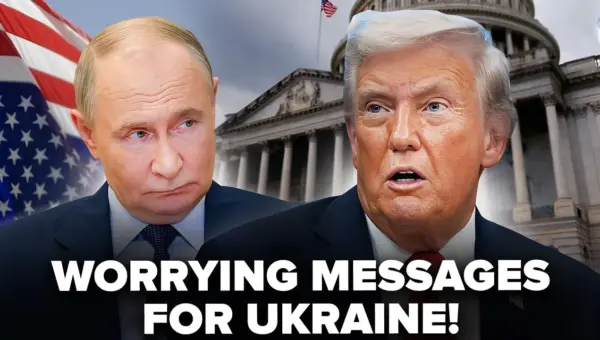
Iran Nuclear Talks Stall Amidst Enrichment Dispute
Discussions on Iran's nuclear program are stalled, with uranium enrichment remaining a key point of contention. Meanwhile, a Ukrainian diplomatic gambit involving the name 'Don Land' aims to capture U.S. attention. The EU is proceeding with significant financial aid for Ukraine, despite fluctuating U.S. sanctions policy impacting Russian oil.

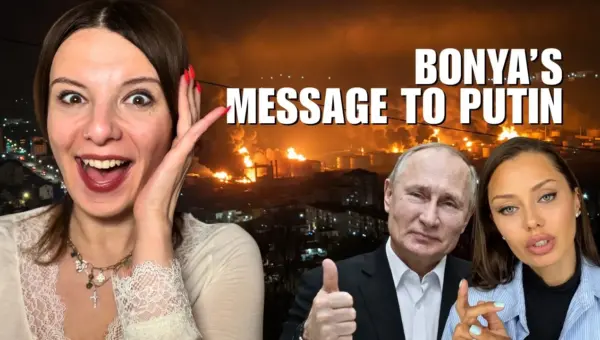
Vlogger’s Plea Sparks Kremlin Panic, Unites Russian Women
A beauty vlogger's online plea for internet access during emergencies has unexpectedly shaken the Russian government. Victoria Bonya's viral video prompted reactions from Kremlin officials and communist leaders, highlighting public discontent. The incident reveals cracks in Russia's propaganda machine and a growing assertiveness among Russian women.

Ukraine Strikes Cripple Russian Oil; US Goes Global
Ukraine's drone attacks are crippling Russian oil exports and production, forcing significant output reductions. Simultaneously, the U.S. Navy is expanding its reach globally, seizing Iranian oil tankers far from the Persian Gulf. This dual pressure signals a potential breakdown of global trade in energy, agriculture, and manufacturing.