US Oil Blockade Targets China’s Economy
The U.S. has blockaded Iranian oil, aiming to curb China's economic growth by limiting its access to discounted energy. This move highlights the ongoing economic competition between the two global powers. Investors should understand how inflation and geopolitical events create market opportunities.


US Oil Blockade Targets China’s Economy
The United States has implemented a blockade on Iranian oil, a move aimed not at Iran, but at weakening China’s economic standing. This action comes amid ongoing global conflicts and shifting geopolitical alliances. The U.S. is strategically using oil supply to counter China’s growing economic power.
China is the primary buyer of Iranian oil, often purchasing it at a significant discount below market prices. This cheap oil allows China to produce goods and energy more affordably.
For instance, lower oil costs translate to cheaper plastics, fertilizers, and manufacturing processes. This competitive advantage is a key concern for the United States, which sees its economy challenged by China’s rapid growth.
China’s Economic Rise
Many economists predict China’s economy could surpass that of the United States within the next decade if current growth rates continue. China’s economy has been expanding by about 4% annually, compared to the U.S. economy’s roughly 2% growth. This economic divergence fuels concerns about China’s potential to become the next global superpower.
The U.S. dollar’s status as the world’s reserve currency plays a key role in America’s economic strength. This status allows the U.S. government to spend beyond its means, as the dollar is widely trusted for international trade. However, China is actively working to strengthen its own currency and reduce reliance on the dollar.
Oil’s Central Role
Oil is a fundamental commodity, impacting nearly every sector of the economy. It powers factories, fuels transportation, and is a key ingredient in products like plastics and fertilizers. When oil prices rise, the cost of almost everything else tends to increase, potentially leading to inflation and economic slowdowns.
The conflict in the Middle East previously threatened oil supplies by disrupting the Strait of Hormuz, a vital shipping lane. Iran’s actions had led to reduced supply and higher oil prices. Now, the U.S. blockade shifts the dynamic, aiming to restrict Iran’s oil exports, primarily to China.
U.S. Strategy Against China
The U.S. blockade aims to cut off China’s access to discounted Iranian oil. By preventing these sales, the U.S. intends to raise China’s energy costs, making its products more expensive and hindering its economic competitiveness. This strategy is part of a broader effort by the U.S. to manage China’s increasing influence.
This approach is not entirely new. The U.S. has previously used measures like tariffs on Chinese goods.
These tariffs aimed to reduce U.S. reliance on Chinese manufacturing and pressure the Chinese economy. Actions in other regions, like Venezuela, have also been seen as attempts to disrupt China’s access to resources.
What Investors Should Know
Higher oil prices generally contribute to inflation. Inflation can increase the value of assets like stocks and real estate while decreasing the purchasing power of savings and cash. This dynamic can make asset owners wealthier but negatively impact savers and those on fixed incomes.
Market volatility is expected to continue. While the stock market has seen recent downturns, historical patterns suggest that market crashes can present significant buying opportunities. Investors are advised to focus on financial education rather than reacting to market emotions.
Certain sectors may benefit from inflationary pressures and geopolitical events. Defense stocks often perform well during times of conflict, while energy stocks can rise with oil prices. Gold and other real assets are also typically sought after during periods of inflation and economic uncertainty.
The U.S. government’s significant spending, funded by the dollar’s reserve status, underpins the economy. A shift away from the U.S. dollar as the primary global currency could have profound implications for inflation and government spending capabilities.
Investors should understand how global events translate into economic opportunities. Building financial knowledge allows individuals to make informed decisions and potentially identify undervalued assets. The focus should be on understanding money flows rather than succumbing to market hype or fear.
The Federal Reserve is set to undergo a leadership change on May 15th, 2026. The new chairman plans to address the U.S. debt crisis, a move that could significantly impact the economy and wallets of Americans.
Source: Trump Just Started A War Most Americans Don't See (YouTube)

Related Articles
Iran Faces Economic Strain Amid Blockade
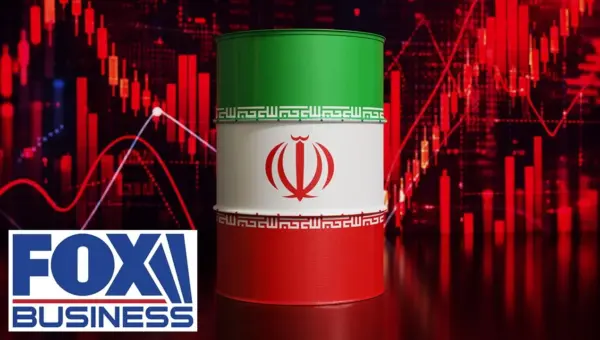
Iran is losing an estimated $500 million daily due to ongoing blockades and sanctions, intensifying economic pressure. Meanwhile, the U.S. Congress is set for a marathon voting session to address critical funding for the Department of Homeland Security. Lawmakers are also introducing measures to combat government fraud, aiming to save taxpayers billions.

Trump’s Iran Strategy Crumbles Under Pressure
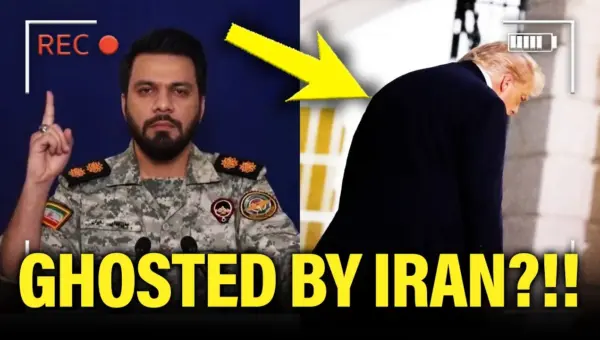
Donald Trump's strategy to negotiate with Iran appears to be faltering as the nation reportedly ignores U.S. calls for talks. Despite threats of military action, Iran has signaled it will not negotiate under duress, leading to a unilateral ceasefire extension by the U.S. This diplomatic stalemate raises questions about the effectiveness of current tactics and the potential for future escalation.

Iran’s Leadership in Disarray as US Oil Blockade Bites
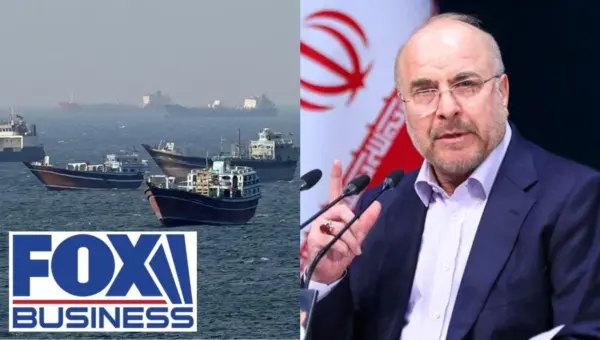
The U.S. has implemented a significant oil blockade on Iran, cutting off an estimated $450 million in daily revenue and exacerbating internal leadership divisions. This financial pressure impacts Iran's ability to negotiate and has ripple effects on global energy markets, particularly affecting China.