Trump’s Iran Standoff: A Costly War With No Clear Win
President Trump's strategy in the Iran conflict is under scrutiny as the costly standoff yields no clear victory. Key objectives, like securing passage through the Strait of Hormuz, remain unmet, while domestic and international economic impacts persist. Both sides face difficulties in claiming success amid ongoing tensions.

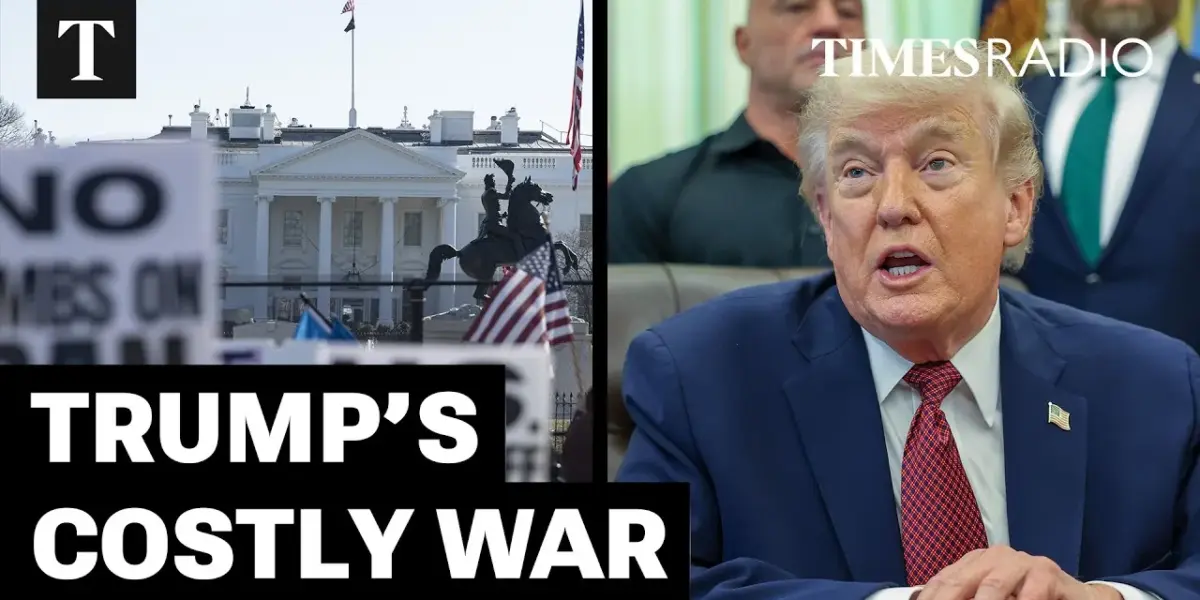
Trump Faces Criticism Over Costly Iran Standoff
President Donald Trump is facing questions about his strategy in the ongoing conflict with Iran. Many observers believe the costly confrontation has not produced a clear victory for the U.S. While some of Iran’s military capabilities may have been degraded, a key objective of securing open passage through the Strait of Hormuz remains elusive. The economic impact on the U.S., though less severe than in other regions, is still significant and unevenly felt by American citizens.
Economic Pain Felt at Home
The economic consequences of the standoff are impacting Americans, particularly farmers. Already struggling with trade tariffs, some farmers are now facing higher fertilizer prices and a general sense of uncertainty. This makes it difficult for them to plan their businesses effectively, highlighting the domestic ripple effects of foreign policy decisions.
Global Impact and Presidential Concerns
Beyond U.S. borders, the impacts are even more severe for people in the Gulf region, Iran, and the wider Indo-Pacific. However, it appears these graver consequences are not a primary concern for President Trump. The situation does not present a clear win for his administration, despite efforts to project strength.
Strait of Hormuz Remains a Flashpoint
A major point of contention has been the Strait of Hormuz, a vital waterway for global oil transport. Iran’s actions have created uncertainty about free and open transit, a key U.S. goal.
Despite the U.S. maintaining a blockade, which Iran considers an act of war, ensuring safe passage remains a challenge. This leaves Iran with significant leverage that it has used effectively.
Ceasefire Extension Offers Temporary Reprieve
In a last-minute development, President Trump announced an extension to a ceasefire with Iran, just as he had threatened to resume bombing. The duration of this extension was not specified, and the U.S. blockade remains in place. This move suggests a desire from the Trump administration to de-escalate, provided a credible path to claiming victory can be found.
Iran’s Strategic Patience
Iran has responded to U.S. overtures with strategic patience, even canceling talks in Pakistan after failing to receive a response to an invitation. This tactic may be aimed at signaling strength and testing the U.S. president’s resolve. Iran appears to believe it can wait out Trump, potentially achieving its goals without direct confrontation.
The Dilemma of Claiming Victory
Both sides are struggling to frame the current situation as a win. Trump wants to assure his supporters that oil prices will remain stable and inflation will be managed, without appearing to back down.
Iran, likewise, seeks the lifting of sanctions and the release of frozen assets. The current stalemate, however, makes a clear declaration of success difficult for either party.
Uncertainty in Iranian Leadership
Adding to the complexity, there is a lack of clarity regarding who is truly in charge within Iran’s leadership. This ambiguity makes it difficult to understand the motivations and decision-making processes on the Iranian side. Experts have limited insight, further complicating diplomatic efforts.
Expert Advice and Presidential Decisions
Concerns have been raised about whether President Trump is heeding expert advice regarding the risks of the current situation. The Pentagon has experienced significant leadership changes, leading to questions about the quality of counsel the president is receiving. Those with deep knowledge of the region have long warned about the potential for the Strait of Hormuz to be closed, a scenario that should not have been unanticipated.
Ongoing Tensions
The situation remains tense, with reports of further ship attacks in the Strait of Hormuz occurring even as a ceasefire extension was announced. This highlights the volatile nature of the conflict and the challenges in achieving lasting stability. The coming days will be crucial in determining whether a diplomatic solution can be found or if tensions will escalate further.
Source: Trump Battling The Perception That He Has Failed In His War with Iran (YouTube)

Related Articles

US Faces Iran Standoff: Can Diplomacy Win Over Threats?
The U.S. and Iran are in a tense standoff over the Strait of Hormuz and Iran's nuclear program. High-level talks are set to occur in Pakistan, but experts debate whether diplomacy or threats will lead to a resolution. The situation impacts global oil prices and regional stability.

Iran’s Strait of Hormuz Tensions Flare Amid Peace Talks
Tensions between the US and Iran escalate in the Strait of Hormuz amidst crucial peace talks in Pakistan. Meanwhile, a US investigation probes the mysterious deaths of national security insiders, and new hope emerges for mental health treatment with expanded psychedelic drug research.
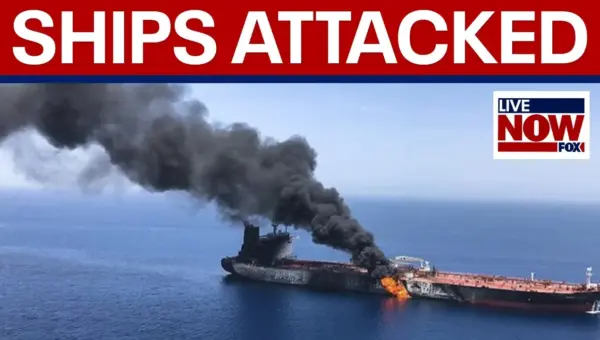
Iran Attacks Ships in Strait of Hormuz Amid Ceasefire Concerns
At least two ships have been attacked in the Strait of Hormuz, a critical shipping lane, raising new questions about ongoing efforts to de-escalate tensions. Iran's paramilitary Revolutionary Guard has reportedly attacked a third vessel. This news comes as a ceasefire between the US and Iran was extended, creating a confusing picture of the current situation.