Russian Army Burns Experts: Tankers, Engineers Sent to Slaughter
Russian military reports reveal a disturbing trend: experienced tank crews and electrical engineers are being sent into dangerous frontline assaults. Instead of utilizing their specialized skills, these vital personnel are being sacrificed, leading to immense waste and high casualties. This strategy highlights severe manpower issues and a disregard for trained expertise within the Russian army.

Russian Army Burns Experts: Tankers, Engineers Sent to Slaughter
Reports from within Russia paint a grim picture of the country’s military. Two separate accounts reveal a shocking waste of skilled personnel. Tank crews and electrical engineers, vital for specialized roles, are being sent into frontline assaults, essentially being sacrificed.
Tank Units Vanish into Infantry Assaults
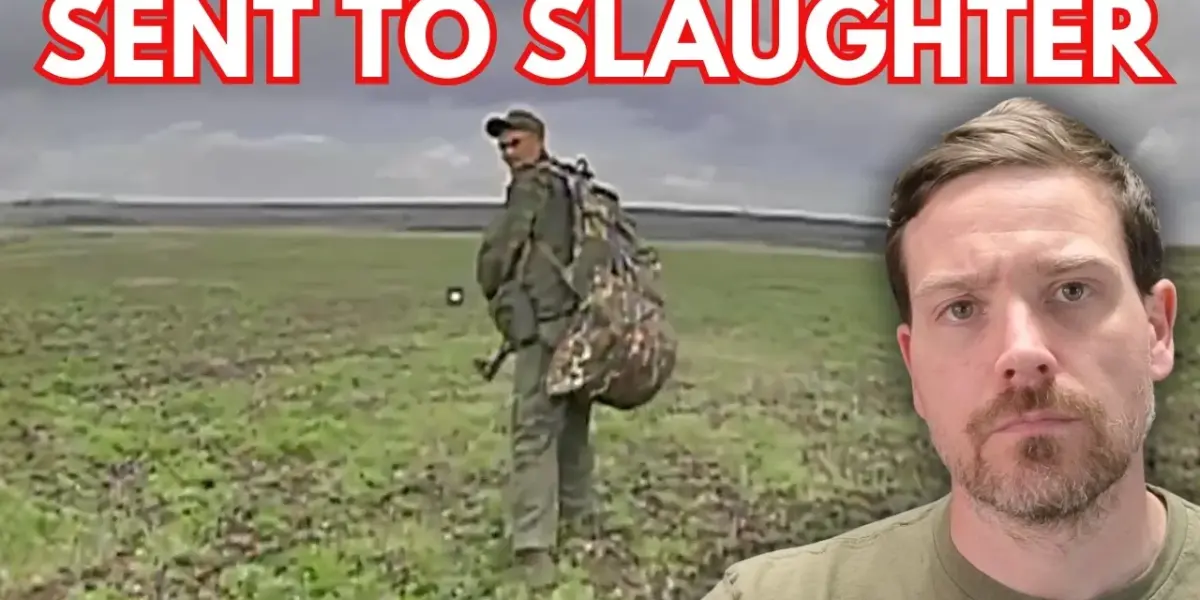
One report, from a source known as Vagner Kitten, highlights the plight of tank units within the Russian armed forces. The 110th Brigade’s tank battalion is specifically mentioned. Instead of using tanks for combat, personnel are being pulled out and sent to the infantry. These soldiers are then tasked with leading dangerous ground assaults.
The source states that tanks are rarely used in direct combat anymore. This is partly because Russia has shifted its tactics, relying more on foot soldiers, motorcycles, and ATVs for advances. Large armored vehicles, when deployed, are quickly targeted and destroyed by Ukrainian forces. Therefore, Russia has fewer armored assaults and, consequently, fewer roles for trained tankers.
The result is a drastic reduction in tank unit strength. The report explains that companies within the battalion no longer have three platoons; many soldiers have died or gone missing in these assaults. The remaining tankers are being sent to what Russian analysts themselves call “the slaughter.” This practice is seen as a crime, wasting experienced soldiers who understand their equipment deeply.
“It is a crime to dispose of tankers’ lives in this way. I appeal to the Minister of Defense, to the Supreme Commander-in-C. I ask for your intervention.”
The author of the report pleads for this “arbitrariness” to stop, emphasizing that these are experienced soldiers with combat history and commendations. Sending them to storming units as infantry effectively discards their valuable skills and lives.
Skilled Engineers Deemed Useless on the Front Lines
A second account details the experience of an electrical engineer who volunteered for the Russian army. He believed his specialized skills would be valuable. However, upon joining, he discovered that his expertise was irrelevant to the war effort.
The engineer was assigned to a regiment that had already lost its entire strength three times by 2024, with replacements constantly being sent in. This indicates extremely high casualty rates. Despite signing a contract promising work in his specialty, he was immediately assigned to lead assaults.
His unit’s electronic warfare equipment was useless and had become scrap metal. The engineer found himself sent into repeated, unsuccessful assaults. He describes being severely wounded multiple times, including shrapnel wounds to his hand and thigh, which damaged a vein and artery. Medical personnel, under orders to return soldiers with intact limbs to the front, provided minimal aid.
He had to crawl for over a day to reach safety. Even after further injury to his leg and receiving a piece of metal in his temple, he was bandaged and sent back into battle the next morning. The focus was on keeping soldiers fighting, regardless of their condition.
After multiple days of trying to reach friendly lines and being bandaged by fellow wounded soldiers, he eventually reached a hospital. Diagnostic equipment revealed a 6-millimeter piece of shrapnel deep in his brain. Despite this severe injury, he was told he would not be discharged for health reasons and would continue to serve.
Why This Matters
These accounts reveal a severe mismanagement of human resources within the Russian military. By discarding highly trained personnel like tankers and electrical engineers, Russia is not only losing valuable individuals but also crippling its own potential for effective and sustainable military operations. This strategy suggests a desperate need for manpower, even at the expense of specialized skills and experienced soldiers.
Implications and Future Outlook
The trend of sending skilled personnel to frontline assaults indicates a military that is struggling with high attrition rates and a lack of adaptable strategy. It suggests a command structure that prioritizes quantity over quality, pushing bodies forward without regard for their specialized training or potential for recovery.
This approach is unsustainable. It erodes the military’s technical capabilities, diminishes morale, and leads to immense human suffering. The loss of experienced soldiers, particularly those with unique skills, will have long-term consequences for Russia’s military effectiveness and its ability to rebuild its forces. The continuous replacement of units points to a war of attrition that is consuming personnel at an alarming rate.
Historical Context
Throughout history, armies have faced challenges in effectively utilizing all their personnel. However, the systematic discarding of specialized skills, especially in modern warfare where technical expertise is crucial, is a concerning development. This mirrors some of the brutal, high-casualty tactics seen in earlier conflicts, but applied in an era demanding technological proficiency. The sheer scale of personnel replacement mentioned by the engineer is reminiscent of the massive losses experienced in World War I and II, but with a critical difference: the deliberate sidelining of individuals trained for specialized modern roles.
Source: Russian Units Are Disappearing (YouTube)

Related Articles

Ukraine Strikes Deep, Russia’s Defense Crumbles
Ukraine's deep strikes into Russia are exposing critical weaknesses in Moscow's defenses and economy. Russia's military struggles with outdated equipment and rising losses, while its population faces severe economic hardship. The Kremlin's inability to protect key infrastructure raises serious questions about President Putin's leadership and the stability of his regime.


Ukraine Strikes Russian Ports; US Allies Fear Wider Conflict
Ukraine's escalating drone and missile strikes on Russian oil ports are stretching Moscow's defenses and impacting global energy markets. Meanwhile, internal political shifts in the U.S. and Europe suggest a potential realignment away from supporting Ukraine.


Iran-Made Drones Fuel Ukraine War, Stirring Kyiv Resident
A Kyiv resident with Iranian roots describes the emotional toll of seeing Iranian-made drones used by Russia in Ukraine. He shares his deep connection to Ukraine and the difficult personal conflict the war has created.