Iran-Made Drones Fuel Ukraine War, Stirring Kyiv Resident
A Kyiv resident with Iranian roots describes the emotional toll of seeing Iranian-made drones used by Russia in Ukraine. He shares his deep connection to Ukraine and the difficult personal conflict the war has created.

Iran-Made Drones Fuel Ukraine War, Stirring Kyiv Resident
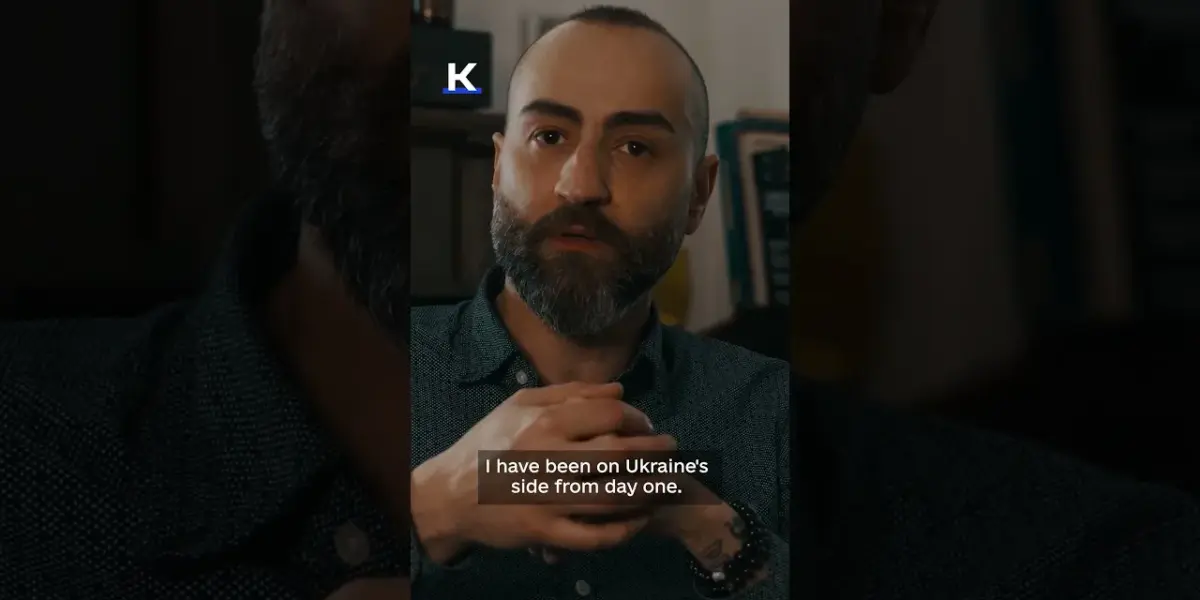
A resident of Kyiv, who has lived in Ukraine since 1999, expressed deep distress upon learning that Iran, his country of origin, was supplying Russia with drones for the ongoing conflict. The individual, who studied piano at the National Music Academy of Ukraine in Kyiv, described the situation as akin to one family attacking another. This revelation has created a profound personal conflict for him, as he feels he must side with Ukraine, the country that has been his home for decades.
Personal Ties and a Difficult Choice
Originally from Iran, he came to Ukraine to pursue classical music education. At the time, classical music was not widely developed in Iran. He recalled being told that students seeking such education had only two choices: Moscow or Kyiv. His parents chose Kyiv, recognizing the high quality of its musical institutions. He has lived and worked in Kyiv ever since, building a life and community there.
The news of Iranian drones being used against Ukraine, which began early in the conflict, was deeply unsettling. “It was very scary, if I’m honest,” he stated. He explained the emotional turmoil of seeing his country of origin involved in an attack on his country of residence. This situation forces a stark choice: “If someone is the friend of my enemy, then they are my friend, or rather, my enemy.”
Siding with Ukraine
From the first day of the full-scale invasion, he has supported Ukraine. He believes that anyone who is an enemy to his adopted home is also his enemy. This stance, however, comes with significant personal difficulty. He feels that after living in Ukraine, growing up, working, and being known by its people, he is now, in a sense, treated as an enemy or at least viewed with suspicion.
“It’s very hard, to be honest,” he admitted. The feeling of being placed on an equal footing with an adversary, despite his long-standing ties to Ukraine, is a heavy burden. This personal experience highlights the complex human dimension of international conflicts, where geopolitical actions can create deep personal rifts.
Strategic Context: Iranian Drones in the Conflict
The mention of Iranian drones, specifically Shahed-series unmanned aerial vehicles (UAVs), being used by Russia is significant. These drones have been a notable feature of the conflict, employed for reconnaissance and strike missions. Their use by Russia, reportedly with Iranian assistance or supply, has drawn international condemnation and sanctions against Iran.
Shahed drones are often described as “kamikaze” or loitering munitions. This means they can be directed to a target, circle above it, and then dive to detonate their warhead. They are relatively inexpensive compared to traditional missiles and can be used in large numbers to overwhelm air defenses. Russia’s acquisition of these drones from Iran has been seen as a way to replenish its own dwindling missile stocks and to sustain its long-range strike capabilities.
Geopolitical Implications
The supply of drones from Iran to Russia has significant geopolitical ramifications. It suggests a deepening military cooperation between the two nations, both of which face international sanctions. This partnership challenges Western efforts to isolate Russia and limit its ability to wage war in Ukraine. For Ukraine, the use of Iranian-made weapons by Russia is a painful reminder of the global reach of the conflict and the complex web of international relations that fuels it.
What This Means on the Ground
For the civilian population in Ukraine, the continued use of drones, regardless of their origin, means persistent threats to infrastructure and civilian areas. The psychological impact of such attacks, especially when linked to a country with historical ties for some residents, adds another layer of stress to an already difficult wartime existence. The conflict, therefore, is not just fought with soldiers and tanks, but also through the complex emotional and political loyalties of individuals caught in its crossfire.
Source: Iranian in Kyiv on war — from Ukraine to Middle East (YouTube)

Related Articles

Iran Faces Economic Crisis Amid Sanctions Over Nuclear Ambitions
Iran faces a severe economic crisis as international sanctions target its nuclear program and regional proxies. The regime's financial decisions have led to internal unrest and a critical point regarding its nuclear ambitions.

Trump’s Iran Blockade: A Risky Gamble With Uncertain Returns?
The U.S. has deployed significant naval power to the Persian Gulf, aiming to enforce a blockade against Iran. Military analysts warn this high-risk operation is difficult and potentially unsustainable without allied support. The strategy's effectiveness and costs are being closely scrutinized.
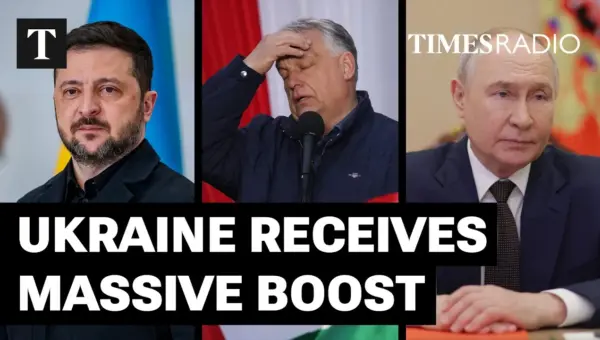
Hungary’s New Leader May Unlock EU Funds for Ukraine
A recent election in Hungary has removed Viktor Orbán, who blocked a crucial 90 billion euro loan for Ukraine. The incoming leadership is expected to release these funds, which are vital for Ukraine's economy and state operations. This shift is seen as a significant positive development for Ukraine amidst its ongoing conflict.