Russia Exploits Donbas Economy to Fuel Conflict
Russia exploited economic hardship in occupied Donbas from 2014-2022, forcing men into military service for income. This strategy fueled conflict and divided families by making military service the only viable job, leading to resentment when recruits suffered casualties.

Russia Leverages Donbas Economy to Fuel Conflict
Russian forces have exploited the dire economic conditions in occupied parts of eastern Ukraine to recruit locals into their military, fueling a conflict that has deeply divided families. This strategy, employed from 2014 to 2022, aimed to turn Ukrainians against each other by offering the military as the only viable source of income.
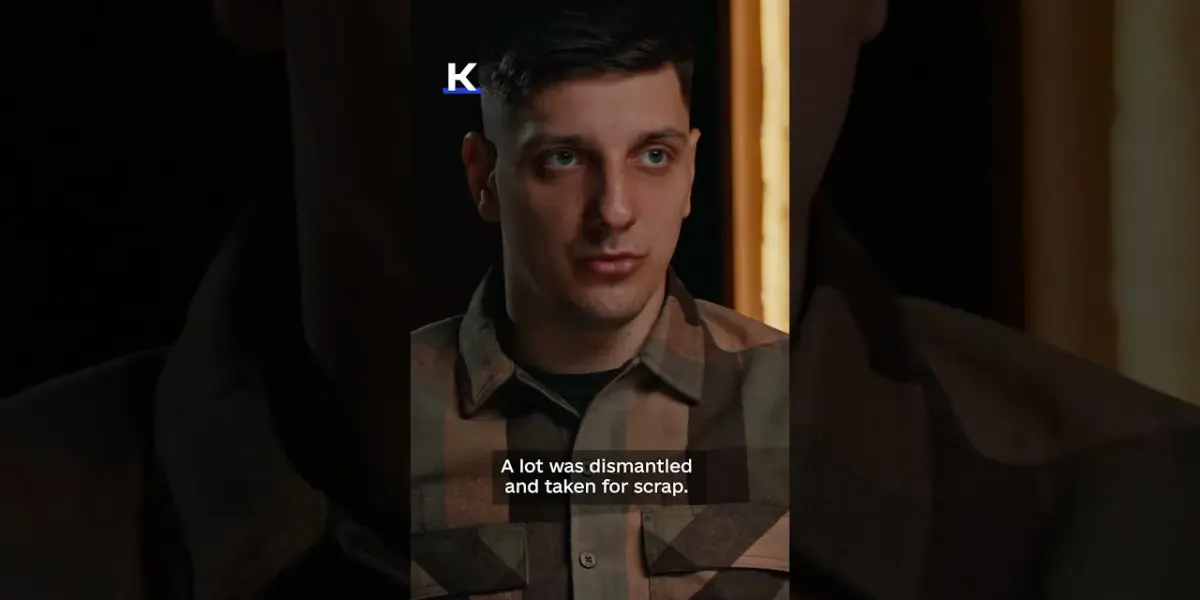
Many men in the Donbas region faced a stark choice: join Russian-backed forces or face extreme poverty. With local industries like mines and factories shut down, often dismantled for scrap metal, job opportunities vanished. The Russian military, specifically the so-called Second Army Corps, offered a monthly salary of 15,000 rubles, a significant sum compared to the 2,000 rubles available for ordinary work.
Forced Recruitment and Growing Resentment
Forced by economic necessity, men joined these units not out of hatred for Ukraine, but simply to earn a living and support their families. Many were reluctant to leave their homes and communities, choosing to stay and fight for their homeland under duress. This created a tragic situation where individuals were compelled to serve in forces opposing their own country.
The situation became more complex as these recruits witnessed fellow soldiers killed by Ukrainian forces. The loss of friends and comrades naturally bred resentment and animosity towards Ukraine. This emotional toll transformed reluctant participants into individuals harboring hatred, a direct result of the conflict’s brutal realities.
Russia’s Hybrid Warfare Strategy
This tactic is central to Russia’s hybrid warfare approach. By creating conditions that force citizens into military service and then amplifying the emotional impact of combat losses, Russia sought to sow division and bind Ukrainians through bloodshed. The ultimate goal was to destabilize the region and facilitate territorial control.
The conflict has tragically placed Ukrainian against Ukrainian. Families have been torn apart, with many losing loved ones to the very army they were forced to join. This strategy aimed to weaken Ukrainian society from within, making it easier for Russia to assert its influence and control over the Donbas region.
Strategic Implications
Russia’s strategy in the Donbas highlights a key element of modern conflict: the use of economic pressure and social division. By making military service the only path to survival for many, Russia effectively turned a portion of the local population into combatants against their own nation. This created deep-seated grievances and made reconciliation significantly more difficult.
The recruitment of locals into Russian-backed forces also provided a readily available manpower pool. These soldiers, often fighting on familiar terrain, could be employed in operations without the same logistical challenges as deploying distant Russian units. This approach allowed Russia to sustain its military presence and operations in the occupied territories effectively.
Historical Parallels
This tactic echoes historical instances where occupying powers have coerced local populations into service. During various occupations throughout history, colonial or occupying forces have often relied on local auxiliaries, sometimes through forced conscription or by exploiting economic desperation. This created internal divisions within the occupied territories, weakening resistance efforts.
The use of economic hardship as a tool for recruitment is a grim reminder of how warfare can be waged not just with weapons, but with the manipulation of basic human needs. It highlights the devastating impact of conflict on civilian populations and the ways in which aggressors can exploit these vulnerabilities for military and political gain.
What This Means on the Ground
On the ground in the Donbas, this strategy has meant that many families have members fighting on opposing sides of the conflict. This has created immense personal tragedy and social fragmentation. The battlefield is not just a clash of armies, but a deeply personal struggle within communities.
The recruits themselves, driven by economic necessity, likely experienced significant psychological distress. Fighting against their own country, witnessing casualties, and potentially being forced to harm fellow Ukrainians would have taken a heavy toll. This internal conflict adds another layer to the human cost of the war.
The ongoing conflict continues to be fueled by these deep-seated divisions. The recruitment strategy has ensured a continuous supply of personnel for Russian-backed forces while simultaneously creating lasting animosity and making any future peace or reconciliation efforts immensely challenging.
Source: How Russia turned Ukrainians against each other (YouTube)

Related Articles
Ukraine Uses Robots to Recapture Territory From Russia
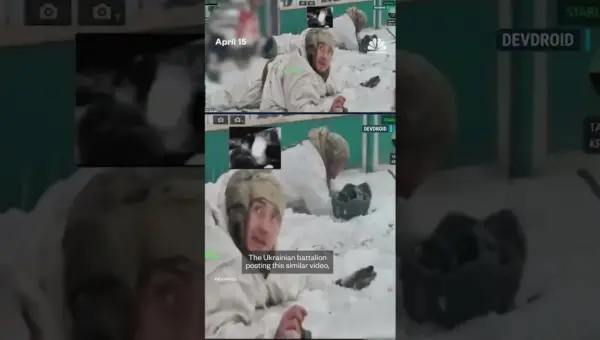
Ukraine claims a groundbreaking military success, using an army of robots and drones to recapture territory from Russian forces without risking infantry or suffering casualties. President Zelensky announced the achievement, though specific details remain undisclosed. This development highlights the growing role of robotic systems in modern warfare and could influence future combat strategies.

Italy, Ukraine Forge Defense Pact on Drones
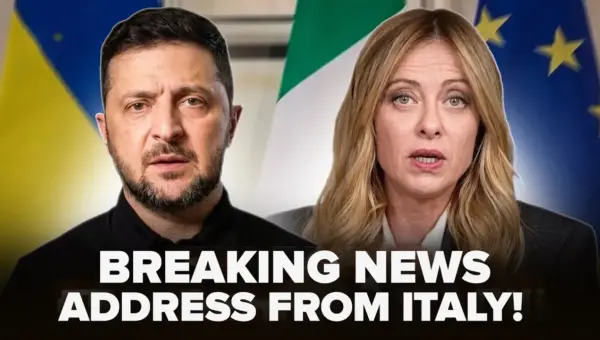
Italy and Ukraine have agreed to explore joint production of drones and defense equipment, expanding military cooperation. Prime Minister Meloni reaffirmed Italy's support for Ukraine, emphasizing strategic necessity for European security. President Zelenskyy highlighted the need for enhanced air defense amidst ongoing Russian attacks.
Ukraine’s Strategy Strains Russia’s War Budget
Ukraine's strategy is reportedly causing significant financial strain on Russia, leading to growing budget deficits and cuts in essential services. Pensions are underfunded, and vital infrastructure like the rail system faces layoffs due to affordability issues. This economic pressure aims to degrade Russia's war-fighting capacity over the long term.