Redistricting Wars: Florida Poised to Decide Midterm Battles
States are locked in a fierce battle over redrawing congressional districts, a process that could significantly impact the upcoming midterm elections. Florida's upcoming special session on redistricting is highlighted as a potential deciding factor, with implications for fair representation and the balance of power in Congress.

Redistricting Wars: Florida Poised to Decide Midterm Battles
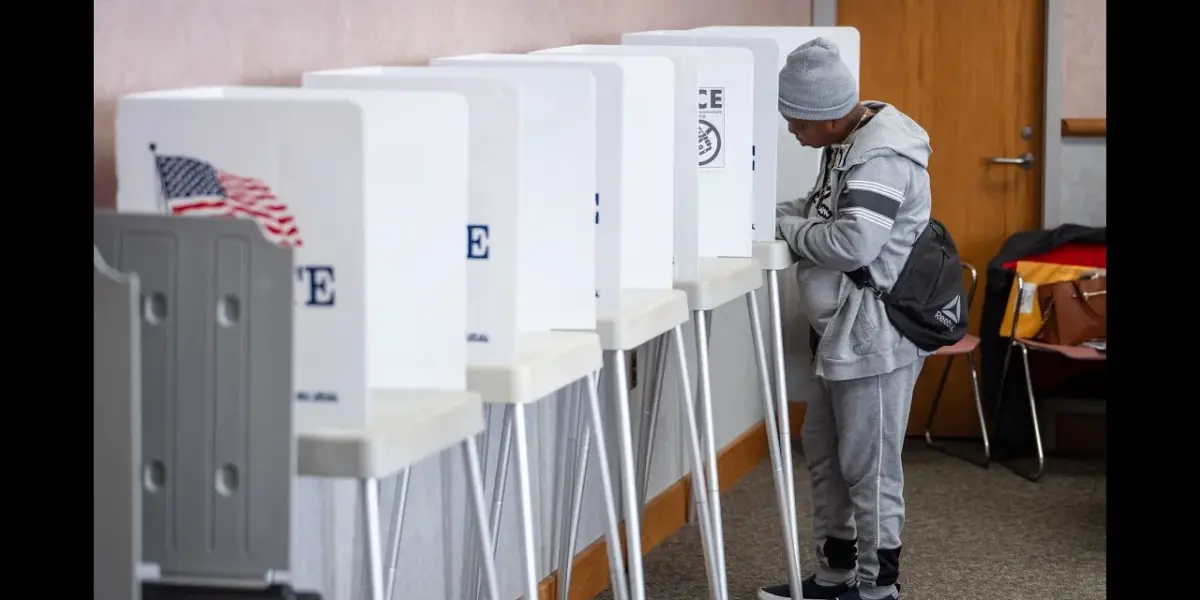
The way congressional districts are drawn in America has become a major battleground. This process, called redistricting, happens every ten years after the census. But recently, states have been pushing to redraw maps in the middle of the decade, leading to intense political fights.
Virginia just had a close vote on its new congressional map, with nearly half the voters saying no. This has left many people in the state without fair representation, as some districts now heavily favor one party.
Republican strategist Angie Wong believes this is unfair, especially since half of Virginia is Republican but has no Republican representation in Congress. She feels this was a dishonest move and that the issue will likely end up in court for a while. Wong points to Florida as a key state to watch.
Governor Ron DeSantis is calling a special legislative session to redraw Florida’s maps, which could add five seats for Republicans. She believes this move in Florida could be the deciding factor in the upcoming midterm elections.
Mike Leon, host of the podcast “Can We Please Talk,” agrees that the Virginia vote was close, with strong support for the new map in some counties but a near split statewide. He notes that the way the question was presented to voters was confusing.
Different campaign ads used politicians from both parties, making it hard for people to understand what they were voting for. This confusion, he suggests, is why the vote was so narrow.
Leon traces the current redistricting conflicts back to 2020. He argues that this has turned into an “arms race” where states are trying to draw maps that heavily favor their party. This practice, he says, disenfranchises voters from both parties.
He believes this constant political fighting over maps makes people angry at politicians and the entire system. When states with more registered Democrats than Republicans end up with maps that don’t reflect that, or when Republicans in states like Virginia are left without representation, it fuels this distrust.
Why This Matters
Redistricting is not just a technical process; it directly impacts who gets elected and how our government represents us. When districts are drawn unfairly, often called gerrymandering, it can make elections less competitive.
This means that in many districts, the winner is almost guaranteed before the election even happens. This can lead to politicians who are more focused on pleasing their party’s base rather than working with others or representing all their constituents.
The current trend of states trying to redraw maps outside the normal ten-year cycle adds another layer of complexity and conflict. It suggests that political parties are desperate to gain an advantage, even if it means challenging established processes. This fight over maps can overshadow important policy debates, making voters feel like their concerns about the economy or other issues are being ignored.
Historical Context and Background
The U.S. Constitution requires congressional districts to be redrawn every ten years after the census. This is meant to ensure that representation in Congress matches the population changes.
However, the political party in power in a state legislature often controls this process. This has historically led to gerrymandering, where districts are drawn to favor one party’s candidates.
For decades, courts have been involved in disputes over redistricting. Sometimes, courts step in to ensure maps are fair and follow legal requirements.
But the process can be slow and complicated. The recent push by some states to redraw maps mid-decade is a newer development, often driven by specific political circumstances or a desire to quickly gain an advantage before an election.
Implications, Trends, and Future Outlook
The intense focus on redistricting, particularly in states like Florida, suggests it will be a major factor in the upcoming midterms. Angie Wong believes that if Florida successfully redraws its maps to favor Republicans, it could secure enough seats to be the deciding factor in the overall election outcome. She points out the high cost of political campaigns, noting that Democrats spent significantly more than Republicans in the Virginia vote, showing the urgency and financial power involved in these fights.
Mike Leon, however, thinks that while gerrymandering is happening, voters will ultimately focus on bigger issues like the economy and gas prices when they cast their ballots. He believes that even with gerrymandered maps, candidates still need to earn votes. He uses a baseball analogy, comparing the current situation to the steroid era, where if everyone is using the same tactics, it becomes the norm, but it doesn’t necessarily mean the game is fair or healthy.
Both strategists agree that the way ballot questions are worded is crucial. The confusion in Virginia, where voters were unsure if ‘no’ meant ‘yes,’ highlights a problem with transparency.
They both feel that voters deserve clear information when making important decisions about representation. This lack of clarity can lead to outcomes that don’t truly reflect the voters’ will, regardless of the final vote count.
Looking ahead, this trend of aggressive redistricting and legal challenges is likely to continue. States will probably keep fighting over map boundaries, and outside money will continue to play a significant role.
The hope for many is that clearer rules and more transparent processes will emerge. However, with the next presidential election on the horizon, the focus on securing electoral advantages through redistricting seems set to intensify, making Florida’s upcoming special session a critical moment to watch.
Source: Florida Will Be the Decider in Midterms Amid Redistricting Wave: Panel (YouTube)

Related Articles

Gerrymandering War: How Democrats Outmaneuver GOP
A Virginia court blocked a Democratic-favored congressional map, sparking debate on gerrymandering. Experts suggest Democrats are currently more successful in this practice. The discussion also covered widespread government bureaucracy and waste within the HHS.

Trump Approval Plummets to Record Low Amid Voter Concerns
New polling data indicates Donald Trump's approval rating has fallen to its lowest point, hovering in the low-to-mid 30s. This decline is attributed to growing voter concerns over the economy, immigration, and foreign policy. The findings come at a critical time as the nation approaches the midterm elections.

AOC Hits Back: GOP Cries Foul Over Redistricting They Started
Alexandria Ocasio-Cortez pushed back against Republican complaints about Virginia's redistricting. She argued that Republicans have a history of partisan gerrymandering and are only upset because Democrats are now fighting back. The debate highlights the ongoing struggle for fair representation in elections.