China’s Organ Harvesting: EU Parliament Faces Pressure to Act
European Parliament members are raising alarm over China's ongoing forced organ harvesting from prisoners of conscience. Experts say the practice is a multi-billion dollar industry, with Falun Gong practitioners and Uyghurs being primary targets. Lawmakers are urged to implement stronger legislation to counter these severe human rights abuses.

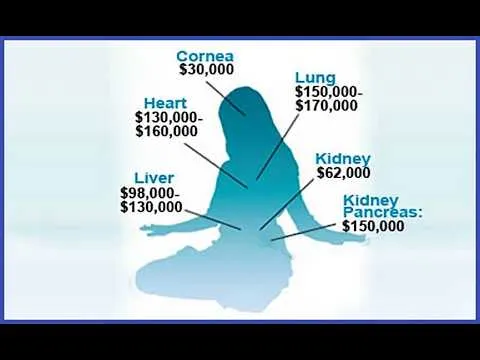
European Lawmakers Confront China’s Organ Harvesting Crisis
Members of the European Parliament are speaking out about forced organ harvesting in China. Experts and politicians report that this practice continues on a large scale, despite international awareness. Calls for stronger action are now growing louder.
For over two decades, investigations have indicated that China’s ruling Communist Party has managed the widespread harvesting and selling of organs. These organs are taken from prisoners of conscience and sold to patients around the world. This disturbing practice involves hospitals, police, and detention center staff throughout China.
A System Built on Exploitation
Organizers stated that despite three resolutions passed by the European Parliament since 2013, with the most recent in 2023, Europe has not yet passed laws to increase pressure on China. In contrast, a bill sponsored by U.S. Senator Ted Cruz is currently before the Senate. This bill aims to block visas and freeze assets of individuals involved in forced organ harvesting in China.
The question remains whether similar legislation could be introduced in Europe. While it’s a good idea, some believe it’s unlikely to happen now.
Many politicians would rather avoid offending China than take a stand for what is right. This approach, unfortunately, is often seen when dealing with the Chinese government.
Profit and Persecution Drive the Trade
Experts describe a system that operates like a business, generating billions of dollars. Different groups in China have reasons to participate.
Doctors, police, hospitals, and organ brokers are motivated by financial gain. In the case of Uyghurs, it’s not just about profit.
Some regions in the Middle East specifically request “halal” organs, creating a significant demand. This makes Uyghurs a profitable source for China’s transplant system, a market estimated to be worth $9 billion. In other situations, such as with practitioners of Falun Gong, forced organ harvesting is used as a method of persecution against groups detained by the Chinese regime.
Falun Gong Targeted in Systemic Cruelty
Falun Gong, also known as Falun Dafa, is a spiritual practice that faces severe persecution in China. An independent tribunal in London concluded in 2019 that forced organ harvesting occurs on a large scale in China. They found that Falun Gong practitioners were likely the main source of organs for this trade.
This system has spread organs across China, creating a self-sustaining cycle. While hospitals and the transplant industry may have initiated some aspects, the core driver is the campaign to eliminate these groups.
This initiative originates from the Chinese Communist Party, making it easier to carry out. This is the primary reason why so many Falun Gong members have had their organs harvested.
Global Health Ethics at Risk
A key focus of recent discussions was the wider impact of these allegations beyond China’s borders. Experts warned that the breakdown of medical ethics in organ transplantation could erode public trust.
This could also decrease people’s willingness to donate organs in Western countries. Such a decline would make it harder for patients to receive life-saving transplants.
The implications could be far-reaching, potentially affecting global standards. Some fear this could lead to a decline in ethical practices worldwide.
We already see discussions in our own countries about increasing organ availability. China might inadvertently offer a dangerous example, raising concerns about future judgments on who deserves to live based on their beliefs.
The Path Forward: Demanding Accountability
New reports from Doctors Against Forced Organ Harvesting are expected soon as the organization marks its 20th anniversary. These reports will likely highlight the ongoing need for transparency and accountability from China regarding its organ transplant practices.
The European Parliament’s continued attention to this issue is crucial. Stronger legislative action is needed to prevent these abuses from continuing. The international community must work together to ensure that medical ethics are upheld and that human lives are valued above all else.
Source: European MPs Address Forced Organ Harvesting in China (YouTube)

Related Articles


China’s Dark Secret: 27 Years of Persecution Emerge
Twenty-seven years ago, a peaceful protest in China sparked a brutal crackdown on Falun Gong. Thousands gathered to practice their faith freely but faced arrest, torture, and death. The persecution continues today, with confirmed deaths and disturbing reports of organ harvesting.

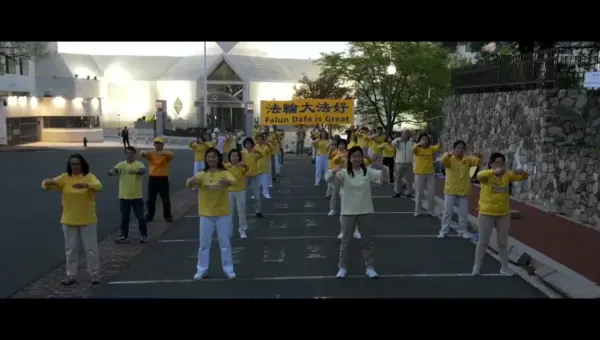
China’s Dark Secret: Peaceful Appeal Ignites Brutal Persecution
A peaceful appeal in China in 1999 sparked a brutal crackdown on Falun Gong practitioners. Over 10,000 gathered for freedom of belief, but faced arrest, torture, and even death. The persecution continues today, with disturbing reports of organ harvesting.


China’s Organ Trade: A Global Threat We Can’t Ignore
China's alleged "industrialized killing" for organ harvesting is more than a distant human rights issue. This systematic practice, potentially targeting prisoners of conscience, raises global ethical concerns and hints at geopolitical implications. The West must confront its potential complicity and the erosion of human dignity this system represents.