NY AG Targets Crypto Prediction Markets as Illegal Gambling
New York's Attorney General is suing Coinbase and Gemini, claiming their prediction markets are illegal gambling operations. The lawsuit cites a lack of gaming licenses and age restrictions as key violations. This action highlights the growing regulatory scrutiny on novel financial platforms.


NY AG Targets Crypto Prediction Markets as Illegal Gambling
New York Attorney General Letitia James has taken legal action against major cryptocurrency platforms Coinbase and Gemini. She claims their prediction market operations are essentially illegal gambling. This move by the Attorney General’s office signals a significant challenge for these digital asset exchanges operating within the state.
The core of the lawsuit centers on prediction markets, where users trade based on the expected results of future events. These events can range from sports outcomes to election results, all facilitated through what are termed “event contracts.” The Attorney General argues that these activities fall under New York’s stringent laws against illegal gambling.
Lack of Licenses and Age Restrictions Cited
A key point in the legal filings is the alleged failure of Coinbase and Gemini to secure necessary licenses from the New York State Gaming Commission. This oversight, according to the Attorney General’s office, means their operations are not compliant with state regulations. The lawsuit highlights that these platforms have not obtained the required permits to offer such services within New York.
The Attorney General raised concerns about the age restrictions on these platforms. She pointed out that individuals between 18 and 20 years old are allowed to use Coinbase and Gemini’s prediction markets. This is in direct conflict with New York’s state law, which sets the minimum age for mobile sports betting at 21.
“Gambling by another name is still gambling and it is not exempt from regulation under our state laws and constitution.” – Letitia James, New York Attorney General
Attorney General James stated that regardless of how these platforms market themselves, their underlying function is gambling. She emphasized that such activities are subject to New York’s existing laws and constitutional framework. This firm stance suggests a broad interpretation of what constitutes regulated gambling within the state’s borders.
Prediction Markets and Political Scrutiny
Interestingly, prediction markets themselves have previously involved scrutiny of public figures, including Attorney General James. Last year, during a period of intense review of Democratic real estate dealings by the Trump administration, one prediction market saw significant trading activity. Users wagered on whether Letitia James would face criminal charges by the end of the year, showing how these platforms can become subjects of public speculation.
The controversy surrounding prediction markets and the potential for misuse of information was further underscored by Governor Kathy Hochul. On Wednesday, Governor Hochul issued an executive order. This order specifically prohibits state employees from engaging in insider trading on these prediction markets.
“Getting rich by betting on inside information is corruption, plain and simple.” – Kathy Hochul, Governor of New York
Governor Hochul’s statement clearly defines the problem as a form of corruption. Her executive order aims to prevent state employees from exploiting non-public information for financial gain through prediction markets. This action reflects a broader concern about ethical conduct and the integrity of public service.
Why This Matters
This lawsuit is significant because it brings the evolving world of digital finance and prediction markets under the sharp focus of traditional regulatory bodies. It raises questions about how existing gambling laws apply to new technologies and platforms. The outcome could set a precedent for how other states regulate similar services.
For platforms like Coinbase and Gemini, this represents a direct challenge to their business models. It highlights the ongoing tension between innovation in the financial technology sector and the need for consumer protection and regulatory compliance. The legal battle could impact their ability to operate freely in one of the United States’ largest economic centers.
Implications and Future Outlook
The implications extend beyond New York. Other states may watch this case closely and decide to adopt similar stances or clarify their own regulations regarding prediction markets. This could lead to a patchwork of rules across the country, making it difficult for companies to operate nationally.
The future of prediction markets may depend on their ability to adapt to regulatory demands. Companies might need to seek specific licenses, implement stricter age verification, or even alter their product offerings to comply with varying state laws. The core issue is balancing the potential benefits of these markets, such as price discovery and information aggregation, with the risks of fraud, manipulation, and illegal gambling.
This legal action is a clear signal that regulatory bodies are paying attention to these newer forms of financial activity. As these markets grow, expect more scrutiny and potential legal challenges. The debate over whether prediction markets are innovative tools or simply a new guise for gambling is far from over.
Source: New York Attorney General Sues Prediction Markets Coinbase and Gemini Titan for Illegal Gambling (YouTube)

Related Articles


Bitcoin Faces Resistance as Market Shows Mixed Signals
Bitcoin is trading near $78,000, facing resistance and sparking debate about a potential pullback. While some see continued upside, a majority of traders anticipate a decline. Mixed signals from traditional markets and low trading volume add to the uncertainty.

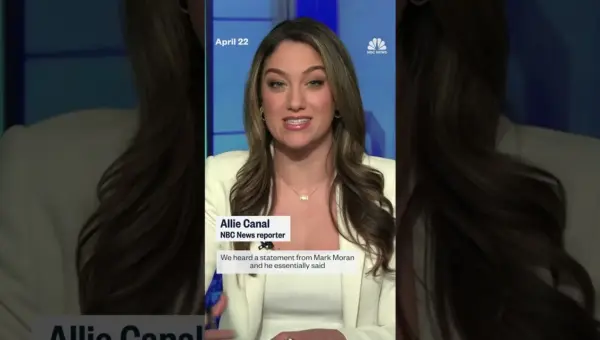
Kalshi Bans Politicians for Election Betting
Kalshi, an online prediction market, has suspended three individuals for betting on their own election outcomes. The platform issued five-year bans and fines, citing violations of its terms of service. One suspended candidate, Mark Moran, claims his actions were a protest against perceived inconsistencies in Kalshi's rule enforcement.
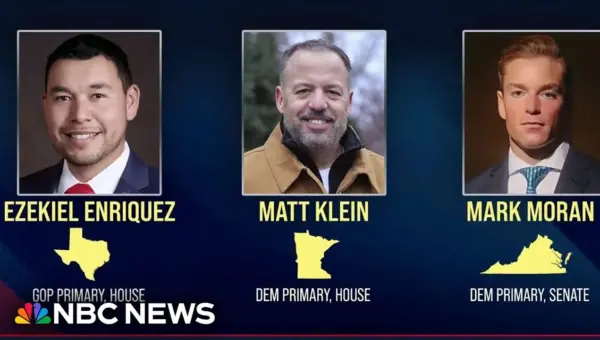
Kalshi Bans Politicians for Election Betting
Kalshi, a prediction market platform, has suspended three politicians for allegedly betting on their own election outcomes. The individuals faced fines and five-year bans for this alleged insider trading. One politician claimed the bets were to highlight market manipulation.