Rand Paul Blasts War Powers Vote Blockade
Senator Rand Paul is criticizing Republican colleagues for blocking a War Powers Resolution aimed at limiting presidential military action. He argues that prolonged wars weaken the U.S. and that diplomacy, not force, is needed to achieve goals like preventing uranium enrichment. Paul also voiced concerns about aggressive redistricting practices potentially leading to political violence and a partisan government funding crisis.

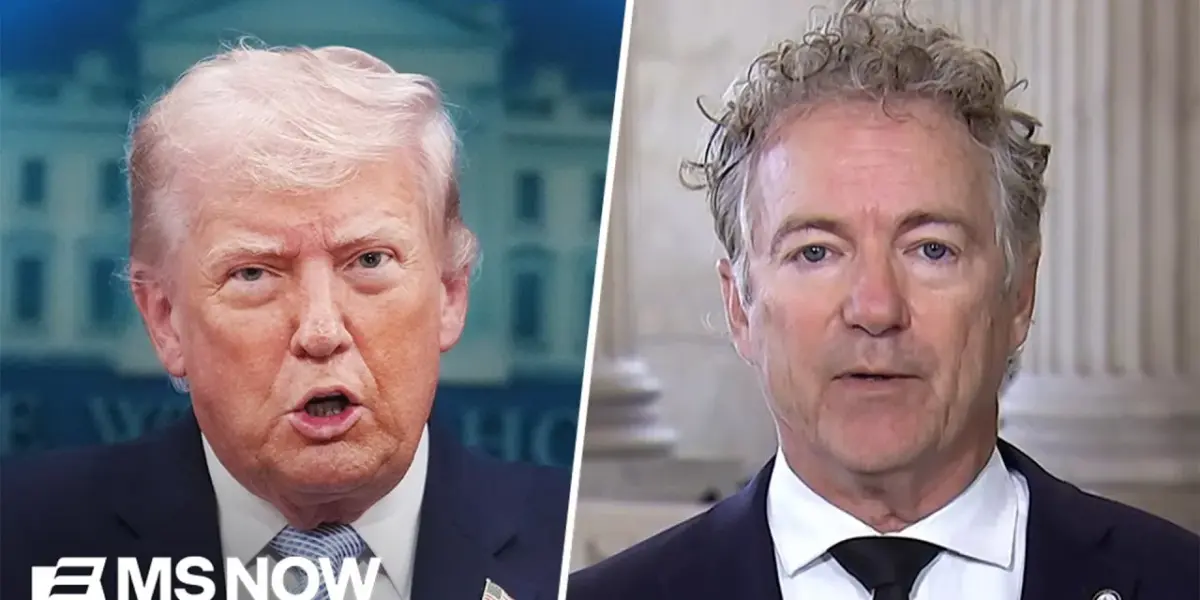
Senator Rand Paul Criticizes Colleagues on War Powers Resolution
Senator Rand Paul of Kentucky is speaking out against his fellow Republicans for blocking a War Powers Resolution. This resolution would limit the President’s ability to start military actions without Congress’s approval.
Paul is the only Republican senator so far to vote with Democrats on this issue. He believes this is a critical constitutional matter that has been ignored.
Founding Principles and Constitutional Authority
Senator Paul explained that the power to declare war was a major point of discussion when the U.S. Constitution was written. Figures like Thomas Jefferson and Alexander Hamilton agreed that Congress should authorize military action.
This process, often called an Authorization for Use of Military Force (AUMF), is the proper way for the country to go to war. Paul stressed that this is not just about following the letter of the law, but also about ensuring there is a real threat to national security before engaging in conflict.
Weakened by War, Not Strengthened
Paul argued that engaging in prolonged conflicts actually makes the country weaker. He stated, “I think we’re made weaker by this war, the more we spend and the more debt we incur.” He believes the real dangers facing the nation come from internal issues rather than external threats. This perspective contrasts with the view that military action abroad enhances national strength and security.
Republican Concerns and the 60-Day Mark
When asked about his Republican colleagues’ reasoning, Paul suggested some are uneasy with the War Powers Act. This act requires military action to cease after 60 days unless Congress votes to continue it. Some senators may feel it is Congress’s duty to address this from the start.
As the country approaches the 60-day mark in the current conflict, Paul anticipates that four or five more Republicans might join him in voting for a resolution. This could potentially create a majority, sending a stronger message.
The Challenge of Overriding a Presidential Veto
However, Paul pointed out a significant hurdle: a President can veto a War Powers Resolution. Overturning such a veto would require a two-thirds majority in both the House and the Senate. This makes it very difficult to stop a president from continuing military action, regardless of party.
He also advocates for reforming emergency powers, suggesting they should expire automatically unless Congress actively approves them. This change would require only a simple majority to pass.
Risks and the Need for Diplomacy
Paul highlighted the growing risks associated with the ongoing war, now in its eighth week. He noted that global energy and trade become more complicated daily, and American lives are put at greater risk. He believes that even if a resolution is vetoed, a stronger stance from more Republicans would send an important message to the public and the President.
Paul suggested that the President may also want the war to end, seeing its negative impact on the economy and not wanting to see loss of life. He feels that past successful, low-casualty operations may have led to overconfidence, allowing actions that could have been avoided with better intelligence.
Rethinking Goals and Diplomatic Solutions
The senator questioned the ultimate goals of the military action, suggesting that if the aim is to stop uranium enrichment, diplomacy might be more effective. He believes that military force alone will not achieve this goal. Instead, he proposed that negotiating over trade restrictions, sanctions, or releasing frozen funds could be more productive.
Paul criticized aggressive rhetoric, stating that insulting opponents or using threatening language is not helpful. He concluded that while military dominance is clear, achieving diplomatic solutions, like stopping uranium enrichment, will require negotiation.
Concerns Over Redistricting and Political Tension
Shifting topics, Paul also discussed the recent redistricting map approved by Virginia voters. This map could give Democrats up to four additional House seats. Paul called the process “rigged” and expressed fears that such aggressive redistricting will lead to violence.
He believes that when people feel the voting system is unfair or that they are not represented, tensions rise. He pointed to states like Virginia, Texas, and California as examples of divided electorates where extreme redistricting can disenfranchise large segments of the population.
A Race to the Bottom in Politics
Paul described the current trend in redistricting as a “race to the bottom.” He feels that both parties are trying to create political maps that minimize the representation of the minority party. This practice, he argued, leads to a less representative government and increases political polarization. He warned that this approach is a bad idea and will likely cause more tension within the country.
Government Shutdown and Funding Challenges
Finally, Paul addressed the potential for a partial government shutdown, noting that the Department of Homeland Security could run out of money for paychecks by May. He emphasized that government employees should not face this uncertainty. Paul stated that compromise requires effort from both Republicans and Democrats.
He suggested a potential compromise could involve the administration acknowledging issues with ICE enforcement and committing to reforms. He noted that new leadership at DHS and changes in enforcement tactics have already reduced negative coverage.
However, he feels Democrats are unwilling to accept any reforms, seeing political advantage in blocking ICE funding. This situation could lead to Republicans having to fund the government alone, a scenario he believes is making the political system more polarized and partisan.
Source: 'We are made weaker by this war': Sen. Rand Paul criticizes refusal to pass war powers resolution (YouTube)

Related Articles
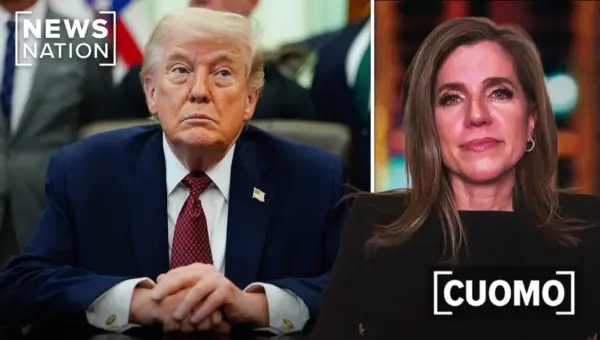
Congress Must Vote on War Powers, Mace Argues
Representative Nancy Mace argues that Congress has a constitutional duty to vote on military action, specifically concerning ongoing operations in Iran. She also champions anti-corruption efforts, advocating for transparency and a single system of justice for all Americans. The coming weeks will test Congress's resolve on war powers and ethical governance.
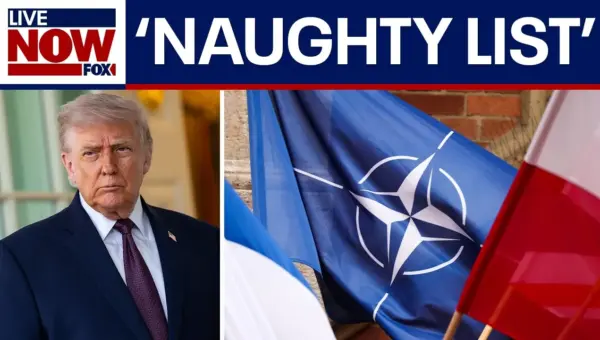
Trump Ranks NATO Allies Over Iran Stance
The White House is reportedly categorizing NATO allies into 'naughty' and 'nice' lists based on their support for U.S. actions regarding Iran. This strategy could lead to the repositioning of U.S. troops and bases away from countries deemed uncooperative. The move aims to reward allies who align with U.S. interests, particularly in the Middle East, while potentially isolating those who do not.
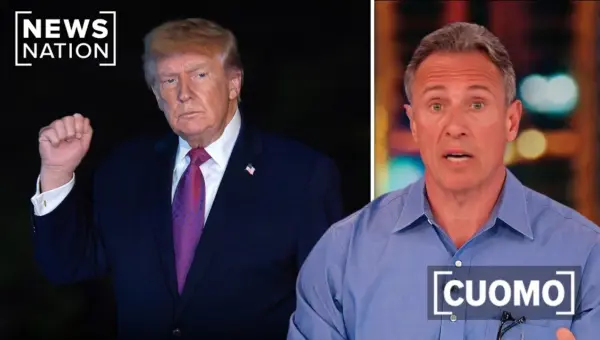
Trump’s Iran Policy Lacks an Exit: A Risky Gamble
The U.S. faces a tense standoff with Iran, marked by a lack of a clear exit strategy and potential for escalation. Iran's actions in the Strait of Hormuz and threats to vital infrastructure raise concerns about regional stability and humanitarian impact.