Trump’s Iran Policy Lacks an Exit: A Risky Gamble
The U.S. faces a tense standoff with Iran, marked by a lack of a clear exit strategy and potential for escalation. Iran's actions in the Strait of Hormuz and threats to vital infrastructure raise concerns about regional stability and humanitarian impact.

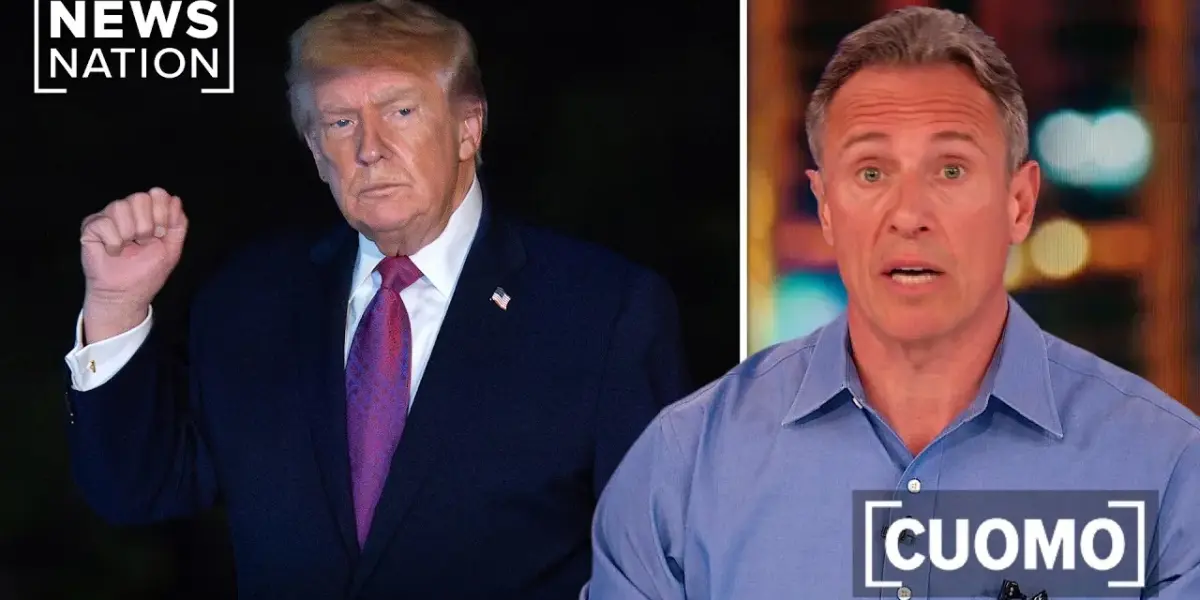
Trump’s Iran Policy Lacks an Exit: A Risky Gamble
The United States faces a tense situation with Iran, where recent actions suggest a lack of a clear plan to end the conflict. Reports indicate Iran is attacking ships in the Strait of Hormuz, a key waterway for global oil transport. Despite these escalations, the U.S. military’s response appears to be a step back, with a shift away from previously stated goals for ending the conflict.
This change in tone comes after advisors reportedly convinced President Trump that Iran is using his desire to end the war to its advantage. The regime knows it will likely remain in power, making any agreement difficult to enforce. This raises serious questions about how to prevent Iran from developing nuclear weapons when they have a history of breaking agreements and are still in control.
Any deal made under these circumstances seems unlikely to be effective as long as the current leadership remains. The U.S. Navy is trying to maintain control over the Strait of Hormuz, but this is a difficult task. Adding to the instability, the Secretary of the Navy has departed, along with dozens of other senior officials for various reasons.
Losing so many experienced people during a conflict, a sort of ‘brain drain,’ is not helpful. Now, there is no set timeline for the war to end.
This likely means there is no exit strategy, a path other administrations have avoided. The cost of this conflict is enormous, with reports of $2 billion a day being spent.
This heavy spending happens while important issues at home, like affordability problems, are neglected. Meanwhile, Iran’s state media is suggesting further actions, like targeting undersea internet cables and desalination plants. Desalination is crucial for providing drinking water in that region; without it, millions could become refugees.
A Questionable Deal for Freed Women
On a different note, President Trump announced that women held by Iran would no longer be held captive. He even thanked the Iranian regime, saying its leaders respected his request. While it’s important to credit the President when due, this situation is complex.
The President’s usual strong rhetoric against Iran, threatening their civilization, is absent here. Instead, he seems to be taking a more cordial approach.
However, there are doubts about the accuracy of the claims regarding these women. It’s not even certain if all of them exist as reported.
Only one woman’s death sentence was confirmed with court documents, a truly terrible outcome for her. There are also reports of another woman, a teenager, being taken in front of her family. These are the specific cases that have been reported and seen.
It’s difficult to trust anything the regime says, but the U.S. is in a tough spot. Too often, the President is quick to take credit, even when it’s not fully deserved. The U.S. government isn’t always accurate or truthful.
The last thing anyone wants is to be wrong on a story, especially one involving Iran. Being incorrect could allow Iran to claim that all reporting about the situation is fake. This is particularly concerning when the Trump administration sometimes makes such claims itself.
Why This Matters
The current approach to Iran appears to be reactive rather than strategic. Without a clear exit strategy, the U.S. risks prolonged involvement and increased costs, both financial and human. The potential for Iran to escalate actions, such as targeting vital infrastructure, could have devastating humanitarian consequences for the region.
The uncertainty surrounding the effectiveness of any agreements made with Iran, especially given their history of non-compliance and continued control, is a significant concern. This situation highlights the challenge of diplomacy when dealing with regimes that may not uphold international standards.
Historical Context
U.S. policy towards Iran has a long and complex history, marked by periods of tension and attempts at engagement. Following the 1979 revolution, relations soured significantly. The Iran hostage crisis further strained ties, setting a precedent for mistrust.
Throughout various administrations, the focus has often been on preventing Iran from acquiring nuclear weapons and countering its regional influence. However, achieving these goals has proven difficult, with different strategies yielding mixed results. The current situation appears to be a continuation of these long-standing challenges.
Trends and Future Outlook
The trend suggests a continuation of a high-stakes standoff. Iran’s willingness to engage in provocative actions, coupled with the U.S.’s apparent lack of a defined endgame, could lead to further escalation or prolonged stalemate. The economic strain on the U.S. from such a conflict is also a growing concern.
The possibility of Iran targeting critical infrastructure like desalination plants presents a humanitarian crisis in the making. This could have ripple effects far beyond the immediate region, potentially leading to mass displacement and instability.
The future outlook depends heavily on whether a coherent strategy with clear objectives and an exit plan can be developed and implemented. Without it, the risk of miscalculation and unintended consequences remains high. The upcoming days and weeks will be crucial in determining the direction of this volatile situation.
Source: Chris Cuomo: President Trump clearly has no exit strategy with Iran | CUOMO (YouTube)

Related Articles

Trump Officials Falter Under Scrutiny in Senate Hearings
Top Trump administration officials faced intense questioning in recent Senate hearings. Treasury Secretary Scott Bessant and Commerce Secretary Howard Lutnik were pressed on financial dealings and past associations. Health Secretary RFK Jr. was questioned on grocery prices, chemical companies, and vaccine views. Energy Secretary Chris Wright addressed rising energy costs. The hearings highlighted concerns about transparency and policy impacts.


Wildfires Rage in Southeast, Chemical Leak Kills 2
Wildfires are raging across the Southeast, prompting a state of emergency in Georgia and leading to widespread evacuations and home destruction. Meanwhile, a chemical leak at a West Virginia refinery killed two people and injured dozens more. Tensions with Iran also escalated as the country seized commercial ships in the Strait of Hormuz.


Wildfires Rage Across South; Chemical Leak Kills Two
Wildfires are raging across the southern U.S., causing widespread destruction and forcing evacuations. In Georgia, a fire has destroyed nearly 50 homes and threatens 1,000 more. Meanwhile, a chemical leak in West Virginia has killed two people and injured dozens. Tensions are also high in the Middle East as Iran boards ships in the Strait of Hormuz.