US Military Sees Surge in Conscientious Objectors
A significant increase in U.S. military members applying for conscientious objector status has been reported, reaching a 25-year high. Driven by events like the bombing of a school in Iran and constant exposure to war's realities via technology, service members cite moral opposition to current conflicts. Organizations are stepping in to help these individuals exercise their rights.

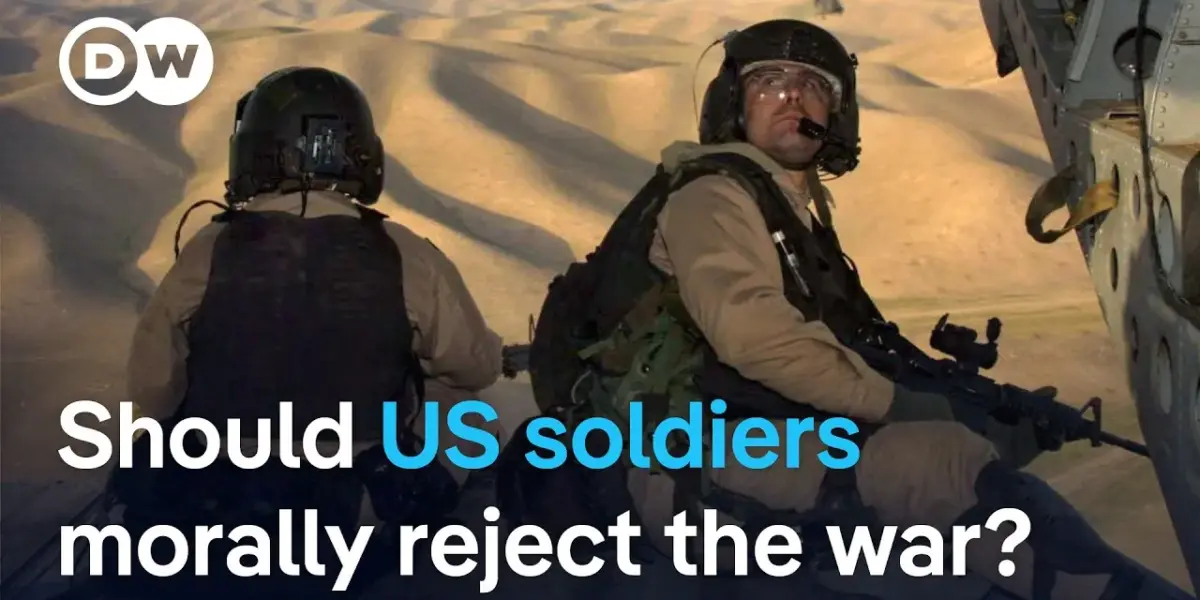
US Military Sees Surge in Conscientious Objectors
More and more members of the U.S. military are seeking to leave their posts by becoming conscientious objectors. These service members have a deep moral opposition to war. They wish to avoid fighting in conflicts like the current war in the Middle East.
The number of applications for conscientious objector status has reached a 25-year high. This surge comes amid growing public concern over recent military actions.
What is a Conscientious Objector?
A conscientious objector is a service member with a sincere belief that prevents them from participating in war. This belief must be deeply held and can stem from religious or non-religious moral principles.
To qualify, individuals must be opposed to all wars, not just a specific conflict. They also need to explain how their views have changed since joining the military.
Applications can be submitted at any time. This includes while in a combat zone or just before deployment.
The military looks for a specific “moment of crystallization.” This is the point where a service member realized they could no longer take part in war in any capacity. This moment often follows a period of developing moral conflict.
Reasons Behind the Rise
Several key events have fueled the increase in conscientious objector applications. A major factor cited is the bombing of a girls’ school in Minab, Iran.
This attack, which killed 175 people including many children, has been called a grave violation of humanitarian law. The United Nations has stated it may even be a war crime.
The rhetoric used by political leaders has also played a role. Comments about “wiping out civilizations” or “returning countries to the stone age” have deeply troubled service members.
Many also express a fundamental disbelief in the mission of current wars. They feel the actions are harming innocent people unnecessarily.
The Impact of Media and Technology
Unlike past conflicts, today’s service members can witness the realities of war instantly through their phones. This constant access to information has a profound effect.
The war in Gaza, in particular, has exposed Americans to the daily suffering of civilians. Images of the injured, the deceased, and grieving families have been widely shared.
This direct exposure to the consequences of warfare is a significant change. It allows service members to see the human cost of military actions, regardless of who is carrying them out. This visibility has created a strong moral opposition for many who are directly involved in military operations.
Connecting to Current Conflicts
The current war, which began with joint U.S.-Israeli attacks on Iran, has created a new layer of concern. Service members report feeling that the U.S. military’s actions are indistinguishable from those of the Israeli military. This perceived similarity, especially following the widespread coverage of the conflict in Gaza, has driven many to seek conscientious objector status.
The U.S. involvement has ranged from supplying weapons and intelligence to conducting airstrikes. This level of participation has led many to question the ethical basis of their service. They are uncomfortable with their taxes funding actions that result in civilian casualties.
Challenges and Support
Many service members are unaware of their right to apply for conscientious objector status. Some believe the military may not actively promote this information.
Mike Pryznner of the Center on Conscience and War suggests that commands may try to expedite applications for those who are outspoken. This is to prevent the spread of information about conscientious objection among fellow service members.
Organizations like the Center on Conscience and War provide crucial support. They help individuals navigate the complex application process. Their goal is to ensure service members can exercise their rights and avoid participating in conflicts that violate their deeply held beliefs.
Looking Ahead
As global tensions remain high and discussions about military service continue, the trend of conscientious objection is likely to persist. The increasing awareness of war’s impact, amplified by modern technology, suggests more individuals will question their roles. The Center on Conscience and War continues to assist those who feel morally compelled to step away from military service.
Source: The rise in US military members who don't want to go to war | DW News (YouTube)

Related Articles

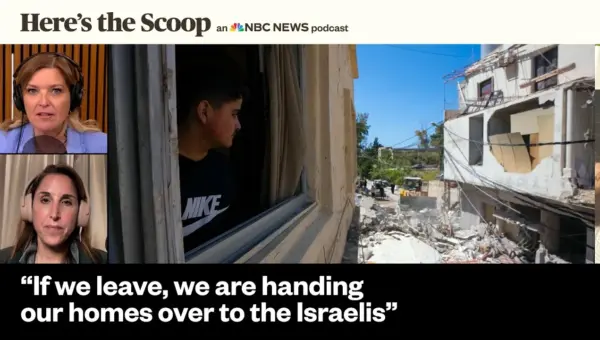
Lebanon, Israel Peace Talks: Land & Security Top Agenda
Peace talks between Lebanon and Israel are set to take place in Washington D.C., with land and security as key issues. The conflict in Southern Lebanon has displaced over a million people, and a firsthand account reveals the devastating human cost. Hezbollah's absence from the talks adds complexity, while the outcome could impact U.S.-Iran relations.

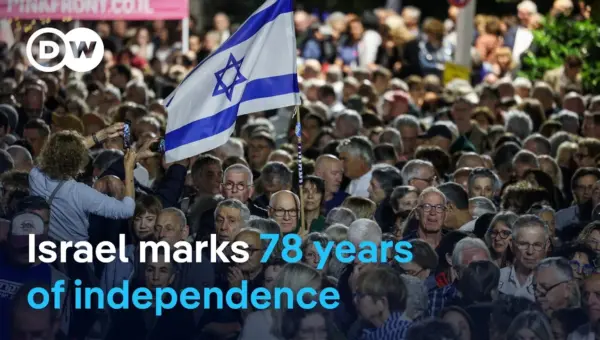
Israel Marks 78 Years Amid War, Deep Political Divides
Israel celebrated its 78th Independence Day amidst ongoing wars and deep political divisions. Official ceremonies were marked by somber reflections, while alternative events highlighted concerns over democracy. The nation grapples with unresolved security issues and complex international relations.


US Military Runs Bitcoin Node, Price Surges Amid Negative Funding
The U.S. military has confirmed it's running a Bitcoin node for network security tests. Meanwhile, Bitcoin's price is surging despite negative funding rates, a sign that short sellers are paying heavily to bet against the rally. Institutions are also diversifying, with Ethereum gaining traction as a productive asset.