CIA Agents’ Deaths Spark Mexico Probe Over Secret Operations
Mexico's President Claudia Sheinbaum is demanding answers after two alleged CIA agents died in a car crash following a raid on a drug lab in Chihuahua. The incident has sparked debate over U.S. intervention and Mexico's national sovereignty. Experts discuss the global methamphetamine trade and the complexities of U.S.-Mexico cooperation.

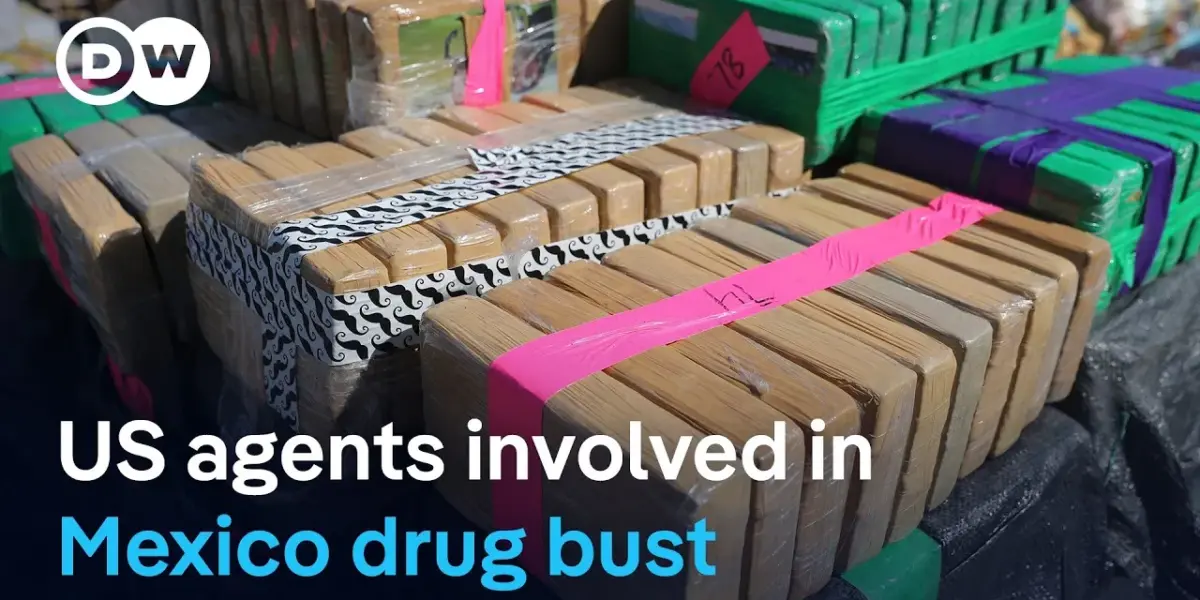
Mexico Demands Answers After CIA Agents Die in Crash
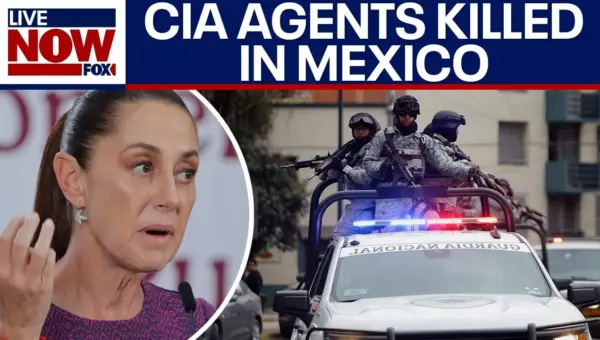
Mexico’s President Claudia Sheinbaum is demanding a full explanation after two U.S. officials died in a car crash in Chihuahua State. The officials were returning from a raid on a sophisticated drug lab. U.S. media reports identified the deceased as CIA agents, though this has not been officially confirmed by the U.S. government.
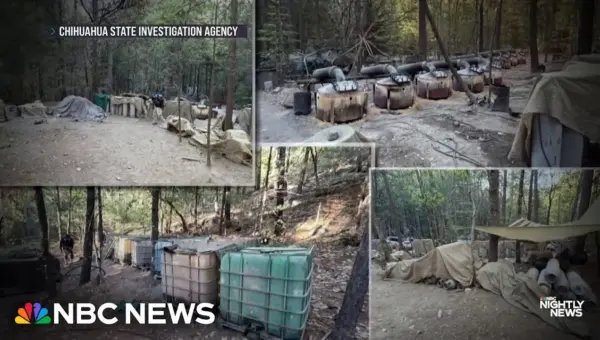
The Mexican army led the operation to destroy the lab, which authorities say was used to produce methamphetamine and fentanyl, potent stimulants increasingly used in the United States. President Sheinbaum stated that neither the Mexican federal government nor its foreign, defense, or security ministries were aware of the U.S. officials’ presence or participation in operations. Mexico has a clear policy against foreign intervention in its sovereign affairs, especially from the United States.
Lab Raid and Tragic Accident
The drug lab, located in the vast and geographically challenging Chihuahua State, was reportedly capable of producing large quantities of meth and fentanyl. Chihuahua State officials released video footage of the lab’s destruction.
Following the raid, the two alleged CIA agents, along with two state operatives from Chihuahua, were involved in a fatal car accident. Journalist Alex Gonzalez, based in Mexico City, described the state’s terrain as difficult, with winding roads and poor infrastructure, making accidents a possibility, especially when traveling to remote locations.
Sovereignty and Historical Context
President Sheinbaum emphasized that Mexico does not accept foreign participation on the ground in operations and has communicated this to the U.S. government. While this stance is consistent with Mexico’s deep concern for its sovereignty, Gonzalez pointed out the complex history of CIA involvement in Mexico, noting that high-level Mexican presidents have maintained secret, ongoing relationships with the CIA since the 1960s. The current incident highlights the tension between Mexico’s official policy of non-intervention and the ongoing, often covert, security cooperation between the two nations.
Inter-Governmental Coordination Issues
The situation is further complicated by the political dynamic between the federal government and the state of Chihuahua. The state is governed by an opposition party, often at odds with the current president. President Sheinbaum suggested that the state of Chihuahua did not have the authority to cooperate with U.S. officials without federal permission.
This suggests a potential lack of coordination, or perhaps a deliberate bypassing of federal channels by state authorities, possibly seeking assistance to combat cartel activity they felt ill-equipped to handle alone. This mirrors how the drug war initially escalated, with states requesting federal intervention.
U.S. Role and Diplomatic Relations
Mexico’s Foreign Ministry has sent a letter to the U.S. ambassador seeking all relevant information, stating that the incident falls outside agreed-upon security protocols. The government views this as a national security and sovereignty issue.
Despite the seriousness of the event, it is considered unlikely to significantly disrupt the generally cordial relations between Mexico and the U.S. administration. However, the incident raises concerns about potential U.S. calls for more direct military action if cooperative efforts are perceived as insufficient.
The Methamphetamine Trade: A Global Concern
Vanda Felbab-Brown, an expert from the Brookings Institution, explained the significance of these labs for Mexican drug cartels. These facilities are crucial for producing the synthetic drugs, primarily methamphetamine, that are exported to the United States.
While labs can be quickly recreated, destroying them and gathering intelligence is vital for disrupting cartel networks. The potency of methamphetamine has significantly increased, making these labs a serious concern, even though fentanyl remains the leading cause of drug overdose deaths in the U.S. Mexican cartels are also expanding their meth production and markets globally, including in Europe and Africa, and exporting to markets like Australia and New Zealand.
Shifting Production and Market Dynamics
Historically, methamphetamine production for the U.S. market occurred within the U.S. However, increased law enforcement efforts in the U.S. drove production south to Mexico. Now, Mexican criminal groups are actively developing international markets. The production of meth in Mexico and other countries is largely attributed to more effective law enforcement and suppression of production within the U.S.
Cooperation and Future Challenges
The incident involving the CIA agents has intensified scrutiny on U.S.-Mexico cooperation in combating drug cartels. There is confusion regarding the exact role and mission of the deceased agents, with conflicting accounts from Mexican authorities. President Sheinbaum’s strong reaction aims to reinforce Mexico’s boundaries against perceived U.S. military actions.
However, the situation could inadvertently strengthen arguments in the U.S. for more assertive, potentially military, intervention. Experts stress the need for continued collaboration, but also for clear guidelines on the roles of U.S. law enforcement and intelligence agents in Mexico. The previous administration saw a significant rise in cartel power due to inadequate government response, highlighting the need for effective, albeit carefully managed, cooperation.
Rethinking the ‘War on Drugs’
Felbab-Brown argued that the approach to drug policy should be a combination of law enforcement and public health strategies, rather than viewing it solely as a military conflict. While law enforcement and intelligence gathering are essential, especially given the violence of cartels, the effectiveness and legality of lethal actions are questionable.
She emphasized that the focus should be on the content of supply-side policies and treatment approaches that maximize community well-being and protect against crime, rather than solely on militarized responses. The Biden administration has focused on harm reduction and prevention, while the Trump administration has emphasized supply-side policies and militarization, potentially hindering access to treatment.
Looking Ahead
The ongoing investigation into the CIA agents’ deaths will likely shape future security cooperation between the U.S. and Mexico. Both nations face the challenge of balancing national sovereignty with the urgent need to combat transnational criminal organizations. The outcome could influence the broader debate on drug policy, potentially pushing for more integrated strategies that address both supply and demand.
Source: Was the CIA operating in Chihuahua without the Mexican government's knowledge? | DW News (YouTube)

Related Articles
CIA Officers Die in Mexico After Drug Raid
Two CIA officers and two Mexican officials died in a car crash following a drug lab raid in northern Mexico. The incident has prompted Mexico's President to promise a thorough investigation and question the nature of U.S. involvement. The deaths occur amid heightened U.S. pressure on Mexico to combat drug cartels.

China’s Shadowy Grow Houses Fuel Maine’s Fentanyl Crisis
Mysterious grow houses in Maine, suspected to be run by Chinese criminal groups, are raising alarms. They may be fueling the fentanyl crisis by selling illegal marijuana to fund the purchase of precursor chemicals. This complex criminal network highlights international drug trade concerns.
CIA Agents Die in Mexico Crash After Cartel Mission
Two US embassy officials, reportedly working for the CIA, died in a car crash in northern Mexico after a mission to dismantle a drug lab. Mexican President Claudia Sheinbaum has launched an investigation to determine if any national security laws were broken during the operation. The incident highlights the challenges and complexities of US counter-narcotics efforts in Mexico.