Capitol Hill Culture Under Fire Amid Staffer Protection Calls
Following recent high-profile resignations, Capitol Hill faces calls for improved staffer protections and cultural change. A lack of centralized oversight in individual congressional offices creates vulnerabilities for employees. Lawmakers are now discussing reforms to restore public trust and ensure accountability.

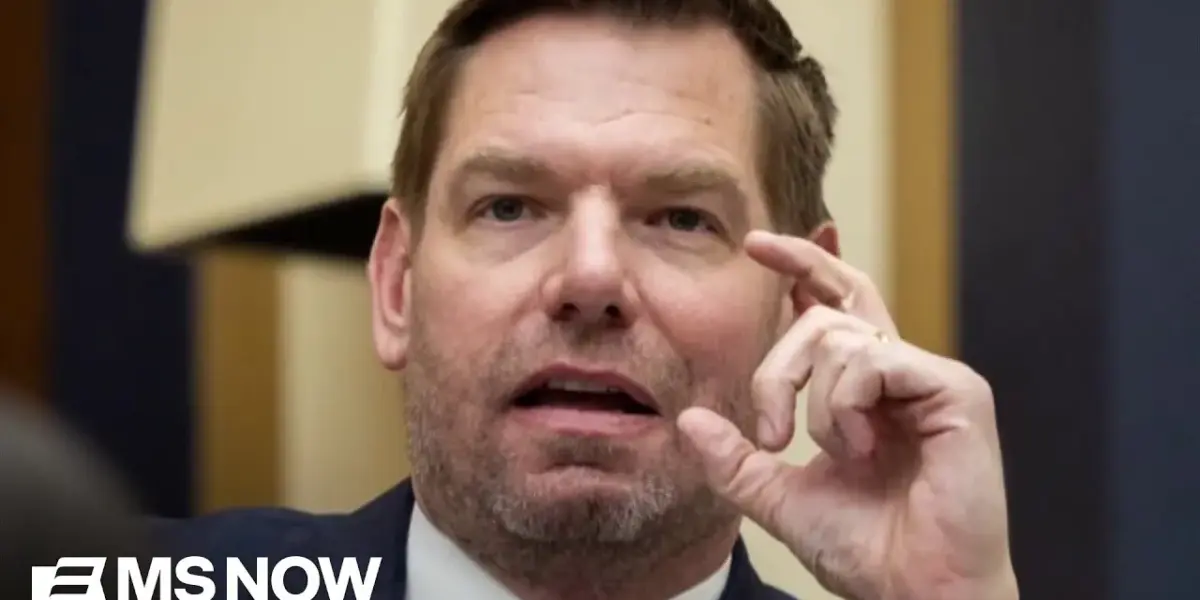
Capitol Hill Faces Scrutiny Over Staffer Protections
Following the recent resignations of two U.S. House members, the culture and internal workings of Capitol Hill are under intense scrutiny. Senate Majority Leader John Thune commented on the situation, emphasizing the need for better ways to support individuals in vulnerable positions. He stated his openness to improvements that ensure staffers have recourse and relief when facing difficult situations.
Thune expressed his disappointment with recent events involving members of the House of Representatives. He also made it clear that these incidents do not reflect the institutions generally, nor would they be tolerated in the United States Senate. His remarks highlight a growing concern about the treatment and protection of congressional staff.
Internal Structure Creates Protection Gaps
A significant challenge on Capitol Hill is that each congressional office operates almost like its own separate entity. There is no broad human resources department overseeing all of Congress. This decentralized structure leads to limited options for staffers seeking help or reporting issues.
The lack of centralized oversight also results in vast differences in how staff are treated across various offices. These disparities extend to benefits, with some offices offering good leave policies while others do not. This ongoing problem in the House is not new and has been a recurring issue for many years.
“This has always been an issue and they’ve never taken it…”
Calls for Reform and Bipartisan Action
The issue of staffer protection has a long history, with past incidents involving prominent figures also raising concerns. Recent efforts, like those by Congresswoman Anna Paulina Luna, have focused on advocating for women and pushing for accountability. Republican women, in particular, have worked to build consensus around expelling members accused of misconduct.
The momentum for action has increased with recent high-profile cases, potentially leading to the expulsion of multiple members. Luna has suggested that more stories may emerge, with some media outlets reportedly offering incentives for individuals to come forward with further allegations against members of Congress. This indicates the issue is far from resolved.
Balancing Power and Accountability
Some observers view the recent resignations as a strategic move, especially in a closely divided House. With a narrow majority, any change in party control can be significant. The situation involving Congressman Gonzalez, where calls for his resignation had been ongoing for nearly a year, gained urgency when a Democrat faced similar accusations.
This dynamic can lead to a situation where resignations are seen as a trade-off, balancing the departure of one member from each party. This approach may satisfy demands for accountability without altering the overall balance of power in the House. It highlights the political considerations that can influence the handling of misconduct allegations.
Restoring Public Trust
The public’s perception of Congress has been negatively impacted by various issues, including misconduct and questionable financial dealings. Figures like Matt Gaetz and George Santos have been part of broader discussions about behavior within Congress. These instances contribute to a general distrust of elected officials.
Many individuals come to Washington with a genuine desire to serve and improve the country. However, the presence of large egos can lead to problematic situations, regardless of political party. This combination of ambition and ego can create a recipe for disaster, as seen in repeated scandals.
The Path Forward
Restoring public trust requires significant changes within Congress. This includes implementing a range of reforms aimed at improving accountability and transparency. The American people deserve to see their representatives uphold high standards of conduct and ethical behavior.
The focus now turns to what concrete steps will be taken to enact lasting change. The upcoming legislative sessions will likely see continued debate and potential proposals for reform. The commitment to creating a safer and more respectful environment for all congressional staff will be a key measure of progress.
Source: Push to better protect Capitol Hill staffers (YouTube)

Related Articles

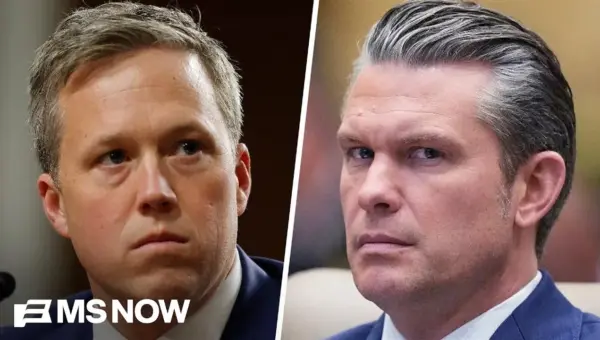
Army Secretary Faces Scrutiny Amidst Pentagon Power Struggles
Army Secretary Christine Driscoll testified amidst growing concerns over Defense Secretary Mark Hegseth's leadership. The hearing focused on Hegseth's alleged pattern of blocking promotions for minority and female officers and the controversial dismissal of General George. Lawmakers expressed alarm over the internal conflicts, questioning their impact on military readiness and morale.

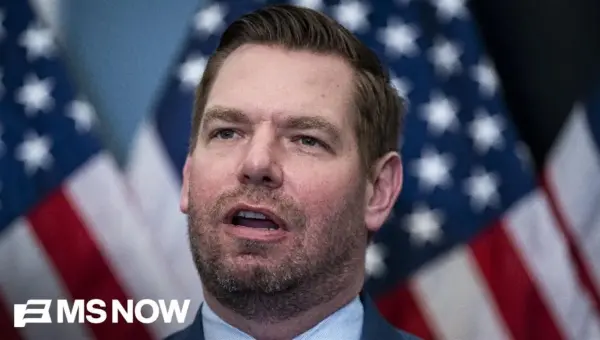
Attorney: New Accuser Seeks Justice, Not Politics
An attorney representing a new accuser against Eric Swalwell stated her client's decision to speak out is driven by a desire for justice and accountability, not politics. The defense has denied all allegations, calling them politically motivated. Investigations by the Los Angeles Sheriff's Department and the District Attorney's office are now underway.

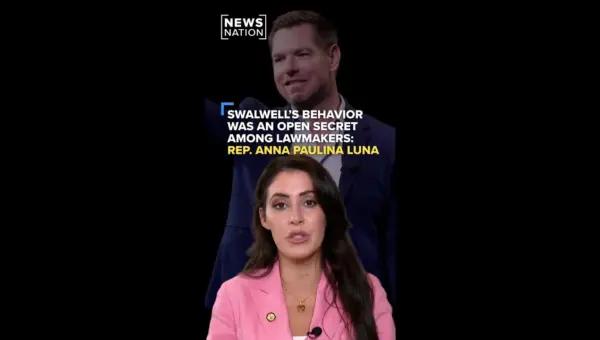
Swalwell’s Capitol Hill Conduct: An Open Secret No More
Congressman Eric Swalwell's resignation followed years of 'open secret' allegations about his conduct. His staff's distrust and a formal expulsion motion finally brought the issue to light, raising questions about accountability in Washington.