Congress Ducks Iran War Vote as Ceasefire Deal Reached
Congress has failed to pass a resolution limiting the President's war powers regarding Iran, amidst a newly announced 10-day ceasefire between Israel and Lebanon. Heated debate marked the vote, with lawmakers divided on national security and political strategy. The ceasefire offers a potential de-escalation, though significant issues remain unresolved in broader peace efforts.


Congress Fails to Vote on Iran War Powers Amidst Ceasefire Announcement
In a significant development, Congress has once again failed to pass a resolution limiting the President’s authority to engage in military action against Iran. The vote, which saw heated debate and accusations of political maneuvering, concluded with a defeat for the resolution. This comes as a surprise ceasefire agreement between Israel and Lebanon was announced, offering a glimmer of hope for de-escalation in the region.
War Powers Vote Falls Short
The resolution aimed to restrict the President’s ability to use military force against Iran without explicit congressional approval. While Democrats largely supported the measure, a significant number of Republicans did not, leading to its failure.
This marks the second such vote in the House, with several similar attempts having also failed in the Senate. The debate on the House floor became particularly contentious, with lawmakers exchanging sharp words and questioning each other’s patriotism.
One Democrat argued that the focus on military action was driven by politics, not national security. “My Democrat colleagues are not paying attention to national security at all,” one Republican member stated, defending his position. The exchange highlighted the deep divisions within Congress regarding foreign policy and the use of military power.
Israel-Lebanon Ceasefire Offers New Hope
Amidst the congressional debate, President Trump announced on Truth Social that Israel and Lebanon have agreed to a 10-day ceasefire, set to begin immediately. This development came after the President engaged in separate conversations with the leaders of both nations. The ceasefire is seen as a crucial step in broader efforts to achieve a peace deal and end the conflict involving Iran.
The White House expressed optimism about this path forward, noting that the ceasefire is a key part of a larger peace initiative led by the United States and mediated by Pakistan. While progress has been made, with Iran reportedly making some concessions, significant long-term issues remain unresolved. Further negotiations are expected in the coming days.
Concerns Over Economic Impact and Defense Spending
The timing of these events has drawn attention, particularly as the nation faces economic challenges. Many constituents are struggling with the rising cost of living, including car payments, rent, and healthcare. Lawmakers are hearing these concerns directly from the people they represent.
In parallel to the war powers debate, reports indicate the White House is urging American manufacturers, including automakers, to increase their role in weapons production. This call for a “wartime footing” comes as the administration seeks a substantial increase in the military budget. Critics argue that this focus on defense spending is misplaced when many Americans are facing financial hardship.
“We’re shortchanging diplomacy. We’re shortchanging any form of aid to third world countries. We’re going back on our values.”
Former Democratic Congresswoman Jane Harmon voiced her concerns, stating that the current approach prioritizes military might over diplomatic solutions and aid. She suggested that a focus on “shock and awe” does not align with the kind of nation many Americans desire.
Looking Ahead: Midterms and Ongoing Negotiations
With the midterm elections approaching, lawmakers are keenly aware of public sentiment regarding the ongoing conflicts and economic pressures. The failure to pass the war powers resolution is unlikely to be the final word on the matter, as the War Powers Act of 1973 sets a deadline of May 1st for potential congressional action unless the President declares another emergency exception. The situation remains fluid, with ongoing negotiations and political maneuvering expected to continue in the weeks ahead.
Source: 'Tragic' that Congress is 'ducking its responsibility' on Iran war: Fmr. Rep. (YouTube)

Related Articles
Senator Duckworth Slams ‘Incoherent War’ Threatening Global Stability
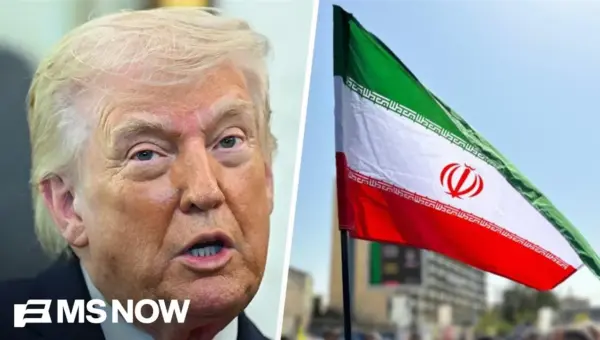
Senator Tammy Duckworth has strongly criticized the current military operations as an "incoherent war" lacking clear objectives and planning, which is unsettling allies. She plans to repeatedly bring the War Powers Resolution to a vote, urging Congress to reclaim its constitutional authority over decisions to go to war.

US Warns Iran: Deal or Face Military Action
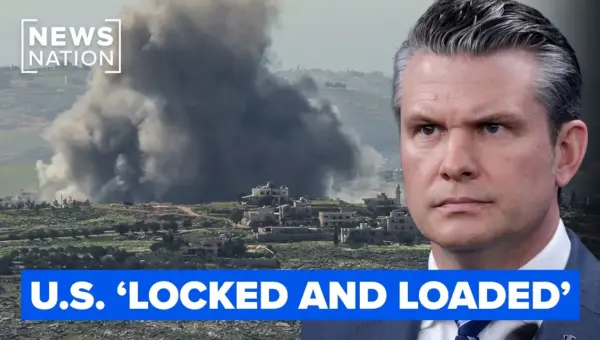
The U.S. military is on high alert, warning Iran of potential action if diplomatic talks fail. Tensions are escalating in the Strait of Hormuz, with economic sanctions also being prepared as leverage. Mediators are working to secure a second round of negotiations, but the outcome remains uncertain.

Iran’s War Strategy Outlasts US Patience
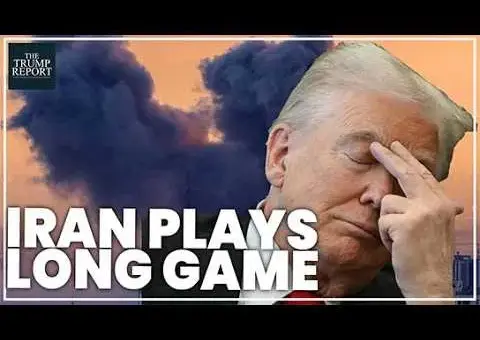
Iran's strategy of prolonging conflict to outlast US patience is a key factor in current Middle East tensions. While President Trump seeks an end, Iran aims to inflict economic pain. This analysis explores the military warnings, political fallout, and economic vulnerabilities shaping the standoff.