Golden Bachelorette Joan Vassos Finds Love After Heartbreaking Loss
Golden Bachelorette Joan Vassos shares her journey of losing her husband to pancreatic cancer and finding love again. She highlights the challenges of grief, the importance of early symptom awareness for the disease, and her mission to honor her late husband through advocacy.

Golden Bachelorette Joan Vassos Finds Love After Heartbreaking Loss
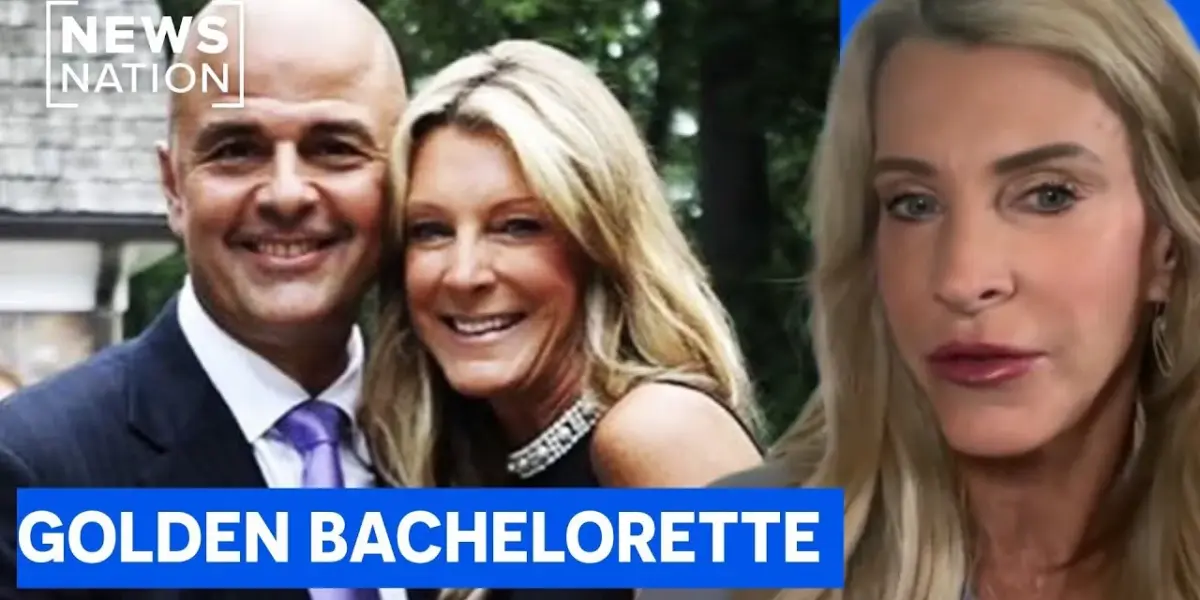
Joan Vassos, the first Golden Bachelorette, recently shared her deeply personal story of love, loss, and finding hope again. Her journey, broadcast to millions, highlights the challenges of grief and the courage it takes to open one’s heart after immense tragedy.
Vassos lost her husband of 32 years, John, to pancreatic cancer in 2021. His passing left a void, but also a powerful drive to honor his memory and raise awareness for a disease that strikes too many.
Vassos’s participation in the show became a way to process her grief publicly. She found it somewhat cathartic to share her story, ensuring John’s memory would not fade.
This experience led her to partner with the Pancreatic Cancer Action Network (PanCAN), turning her personal pain into a mission to help others. Her willingness to be open about her journey offers a beacon of hope for those navigating similar difficult paths.
The Devastating Reality of Pancreatic Cancer
The early symptoms of John Vassos’s illness were perplexing, starting not with pain but with a persistent, unusual rash. This symptom lasted for months, baffling doctors who treated it with various creams and steroids.
The situation took a more alarming turn when John developed jaundice, turning visibly yellow. This was the point when abdominal pain began, but it had already been three months since the initial rash appeared.
Pancreatic cancer symptoms often mimic other, less serious conditions. This can unfortunately lead to delayed diagnosis, with the disease often being in its later stages by the time it’s identified.
John’s case took about three to four months to get a proper diagnosis. Initially, doctors suspected a medication side effect, leading to tests and adjustments, but the underlying cause remained hidden until the jaundice became undeniable.
A Difficult Diagnosis and a Glimmer of Hope
Receiving the diagnosis of pancreatic cancer was a devastating blow. Even with hope for a benign tumor, the biopsy results confirmed the worst. The news came on Valentine’s Day at Johns Hopkins Hospital.
Doctors explained that a tumor was pressing on his bile duct, but they had addressed that, and the jaundice would clear. However, the difficult road of treatment lay ahead.
Treatment options included chemotherapy and radiation, which are known to be very harsh on the body. A potential surgery, the Whipple procedure, offered a chance for recovery if the cancer had not spread.
This surgery has a success rate of about 20%, but it provided a crucial sliver of hope. John’s cancer had not yet spread, making him a candidate for this complex operation, with a plan for chemo followed by surgery in October.
The Spread and the Unforeseen Path
Tragically, within a month of starting chemotherapy, John’s cancer had spread to his liver. This meant he was no longer eligible for the Whipple surgery.
The specific chemotherapy chosen, while intended to fight the cancer, proved to be the wrong choice for his aggressive form of the disease. A different, more effective chemotherapy could have potentially kept the tumor at bay for longer.
Despite the setback, John fought for nearly two years. As his condition worsened and it became clear he could not continue fighting, the family faced the difficult prospect of end-of-life care.
John, however, did not want hospice care. He expressed a strong desire to remain at home, cared for only by his wife, Joan.
Caregiving Through Grief and Love
Being a primary caregiver for a terminally ill spouse is an incredibly demanding role, combining the physical burden of care with the emotional toll of impending loss. Joan navigated this period with immense strength, managing medication schedules and ensuring John’s comfort. She describes the experience as functioning on autopilot, driven by the need to prevent his pain and ensure he received nutrition.
She admits to a certain denial, holding onto hope for a cure even as John’s health declined dramatically. He lost nearly 100 pounds, weighing only 120 pounds.
Society often struggles to prepare individuals for the realities of death and dying, making the caregiver’s role even more isolating. Joan reflects on sleepless nights, constant care tasks, and the profound sense of brokenness she felt.
“Nobody tells you how to do it. I just did the best I could.”
Moving Forward: A Gift from John
Before his passing, John had a profound conversation with Joan about her future. He encouraged her to move forward and live her life.
Initially, Joan found this conversation too final and difficult to face, avoiding the reality of his absence. It was only years later, when contemplating her own future, that she truly understood the immense gift of his words.
John’s blessing gave her the freedom to consider love again. She acknowledges that he will always be the love of her life, but she learned that it is possible to hold onto cherished memories while also making space for new connections. This realization was crucial for her healing and her willingness to embrace life beyond her grief.
Embracing Life: The Power of Saying Yes
Joan’s approach to healing involved actively seeking out experiences and opportunities. She describes a period where friends encouraged her to go out, even when she felt resistant. Each time she said yes, she found moments of respite from the heaviness of her grief, returning home feeling better.
This led to a personal challenge: to say yes to everything. By embracing new activities and social interactions, she began to see the good in life again and appreciate the support of her friends. Stepping out of her comfort zone and experiencing life without John allowed her to heal and rediscover joy in new things.
Navigating Social Circles After Loss
The transition from being part of a couple for 32 years to navigating social life as a single person presents unique challenges. Many social activities are centered around couples, making it difficult for a widow to find her place. Joan’s friends, both male and female, had varied reactions to her decision to be the Golden Bachelorette.
While the women were enthusiastic, some of John’s male friends were hesitant, perhaps not ready to let go of their image of John and Joan as a couple. This highlights how loss can alter social dynamics, sometimes leading to the exclusion of the grieving spouse from couple-centric plans. This shift can feel like a significant loss in itself, impacting future plans and social connections.
A New Chapter with Chuck
Joan is now in a new relationship with Chuck, acknowledging that this love is different from the one she shared with John. She likens it to holding two balloons: one representing her enduring love for John, the other for her new love. This analogy, given by a therapist, allowed her to understand that she didn’t have to let go of her past to embrace her future.
Her relationship with John was about building a life together, raising children, and experiencing the early stages of adulthood. Her relationship with Chuck is about merging two established lives, a different kind of partnership. It’s about creating new memories and finding joy in a new phase of life, one where they can build a future together, merging their existing lives.
Honoring John Through PanCAN Purple Stride
Joan is actively involved with PanCAN, participating in the Purple Stride event. This nationwide fundraiser takes place on April 25th across nearly 50 communities. Her partnership with PanCAN is a direct tribute to John’s generous spirit and a way to make something positive out of her loss.
Last year, her team raised an impressive $42,000. This year, her team is called “It’s Just a Sprain,” a poignant reminder of John’s optimistic outlook even after his diagnosis. She emphasizes the importance of early detection and urges people to pay attention to their bodies and advocate for thorough medical evaluation, as delaying diagnosis can worsen the prognosis.
Why This Matters
Joan Vassos’s story is a powerful reminder of the human capacity for resilience and hope. Her journey from profound grief to embracing new love, while simultaneously championing a cause close to her heart, offers a compelling narrative. It highlights the importance of open conversations about loss, the challenges of caregiving, and the societal need to better prepare for death and dying.
Her advocacy for pancreatic cancer awareness is critical. By sharing John’s story and encouraging vigilance about symptoms, she hopes to improve outcomes for future patients. Her participation in the Golden Bachelorette also normalizes finding love and happiness later in life, demonstrating that grief and joy can coexist and that a full life is possible after loss.
Future Outlook and Call to Action
Joan’s story continues to inspire many. Her commitment to PanCAN and her openness about her dating life show a path forward for others who have experienced significant loss. The upcoming Purple Stride event on April 25th is a concrete opportunity for people to get involved and support the fight against pancreatic cancer.
For more information on pancreatic cancer and how to participate in Purple Stride, visit pancan.org. Joan’s journey reminds us that while loss is inevitable, it does not have to be the end of our story. It can be a catalyst for new beginnings and a deeper understanding of life’s preciousness.
Source: Golden Bachelorette opens up on losing her husband to pancreatic cancer and finding love after loss (YouTube)

Related Articles

Grief Grips Lebanon After Israeli Strike Kills Children
Grief has gripped a Lebanese village after an Israeli airstrike killed several children. Parents are left heartbroken, questioning why their innocent children were targeted. The attack underscores the devastating human cost of ongoing conflict.

Stars Face Death With Dignity in Final Interviews
Stars facing terminal diagnoses have shared their final moments with remarkable courage and grace. From Tammy Faye Messner's loving words to Alex Trebek's optimistic outlook, these interviews offer profound insights into life, legacy, and the human spirit.

Grief’s Shadow: Ambiguous Loss Stalls Healing
Savannah Guthrie is experiencing 'ambiguous loss' following her mother's disappearance, a grief expert explains. This lack of confirmation prevents typical healing, forcing individuals to learn to live with profound uncertainty. The challenges are amplified for public figures and those offering support.