Pentagon Barred Trump Due to “Volatile” Behavior
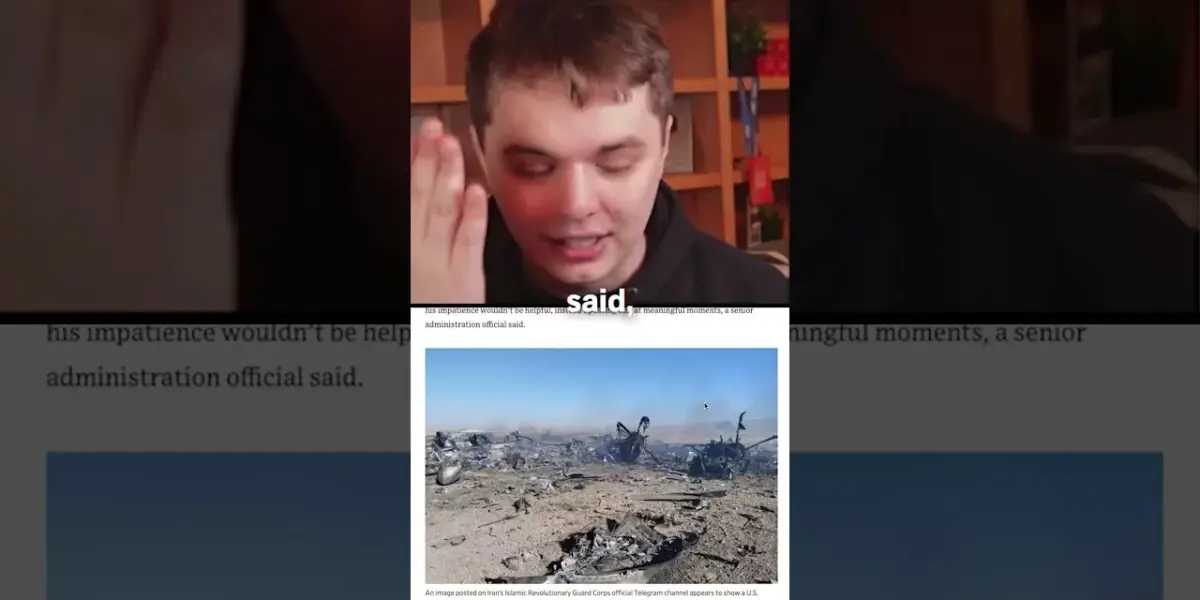
Top Pentagon officials reportedly excluded then-President Donald Trump from a critical briefing after Iran shot down a U.S. drone due to concerns about his "volatile" behavior. Aides feared his impatience would disrupt necessary planning, opting instead to update him at key moments.

Pentagon Barred Trump Due to “Volatile” Behavior
Top Pentagon officials reportedly kept then-President Donald Trump out of a crucial briefing after Iran shot down a U.S. drone. This decision came because they worried about his unstable reactions to the crisis.
The Wall Street Journal reported that Trump was in a highly agitated state after the incident. He had reportedly spent hours yelling at his staff. He seemed more concerned about the political damage than the actual event.
Historical Echoes of Presidential Crises
This situation brings to mind past presidential challenges during times of international tension. Think about Jimmy Carter and the Iran hostage crisis. The failed rescue attempt, often called “Operation Eagle Claw,” was a difficult moment that impacted his presidency and public perception.
In the recent case, Trump demanded immediate military action to retrieve the downed drone. However, U.S. forces had not operated in Iran since the 1979 revolution. Getting assets into hostile territory without alerting Tehran’s military presented significant risks.
Staff Shielded President from Updates
Instead of direct access, aides chose to provide Trump with updates only at key moments. They believed his impatience would hinder the careful planning needed. This approach aimed to manage the situation effectively without his potentially disruptive reactions.
This decision raises serious questions about leadership during national security emergencies. It highlights the tension between a president’s authority and the advice of military and intelligence professionals.
The Search for Moral Clarity
The speaker expressed concern about the need for patient leaders who offer moral guidance. He noted that some people believe politicians in Washington are inherently immoral. This view, he argued, reflects poorly on Republican leaders who seem unable to provide that clarity.
He mentioned looking up to figures like Barack Obama, Joe Biden, and former Speaker Nancy Pelosi and Representative Alexandria Ocasio-Cortez. He sees them as leaders capable of offering moral direction. He finds it sad that many Republicans cannot offer the same.
Implications for Future Leadership
The incident suggests that a leader’s emotional stability can directly affect national security decisions. When a leader reacts with anger or impatience, it can complicate complex situations. It can also make it harder for advisors to do their jobs effectively.
This event is a reminder that effective leadership requires calm judgment, especially in a crisis. The ability to listen to expert advice and make measured decisions is crucial for national safety.
Why This Matters
This event shows how a president’s personal temperament can influence critical national security operations. If advisors feel they must shield the president from information due to his reactions, it can create dangerous blind spots.
It also points to a broader debate about trust in leadership. When officials doubt a leader’s ability to handle pressure, it can undermine the chain of command. This can have serious consequences during a tense international standoff.
Future Outlook
Future administrations may face similar challenges in balancing a president’s desire for information with the need for careful, strategic action. The role of presidential advisors in managing a leader’s emotional state during crises will likely remain a critical, though often unseen, part of governing.
The need for leaders who can remain composed under pressure is evident. This event highlights the importance of presidential temperament in times of national and international crisis.
Source: Trump Left Out of Pentagon Briefing Over “Volatile” Behavior #politics #fyp #new (YouTube)

Related Articles
Obama and Allies Launch Bold Offensive Against Trump
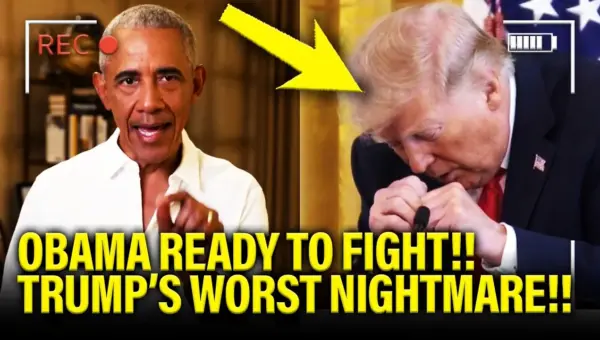
Former President Barack Obama and Senator Jon Ossoff are leading a new Democratic offensive against Donald Trump. They are focusing on policy, alleged corruption, and defending democratic values. This strategy aims to counter Trump's influence by highlighting economic struggles and the importance of voting rights.
Trump’s $10 Billion Lawsuit: A Corrupt Play for Taxpayer Cash?
Donald Trump is reportedly seeking a $10 billion settlement from the IRS, the agency he oversaw as president. This move, involving taxpayer funds, has sparked accusations of unprecedented corruption and conflicts of interest. Congress is now considering legislation to prevent such payments.

Iran Tensions Rise: Trump Threatens ‘Blockade and Bombs’
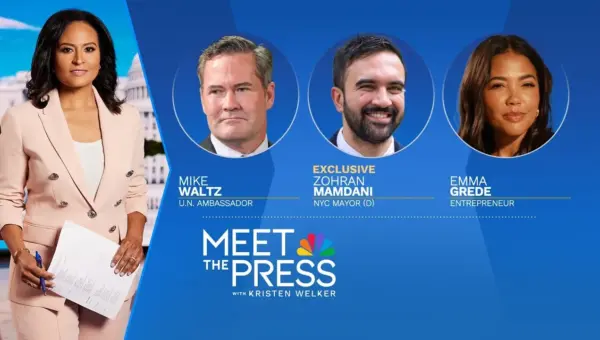
President Trump is escalating pressure on Iran amid a standoff in the Strait of Hormuz, threatening "blockade and bombs" if a deal isn't reached. New York Mayor Zohran Mamdani discussed his progress on campaign promises and his relationship with the President. Polls reveal public concern over the Iran conflict and the economy, impacting Trump's approval ratings.