Russian TV Panics Over War Failures, Threatens West
Russian state television is gripped by panic over the prolonged war in Ukraine, with pundits struggling to explain battlefield failures. The rhetoric has shifted to blaming external forces, issuing threats against the West, and even calling for strikes on NATO territory. This reflects growing internal frustration and a deflection from systemic problems within Russia's leadership.

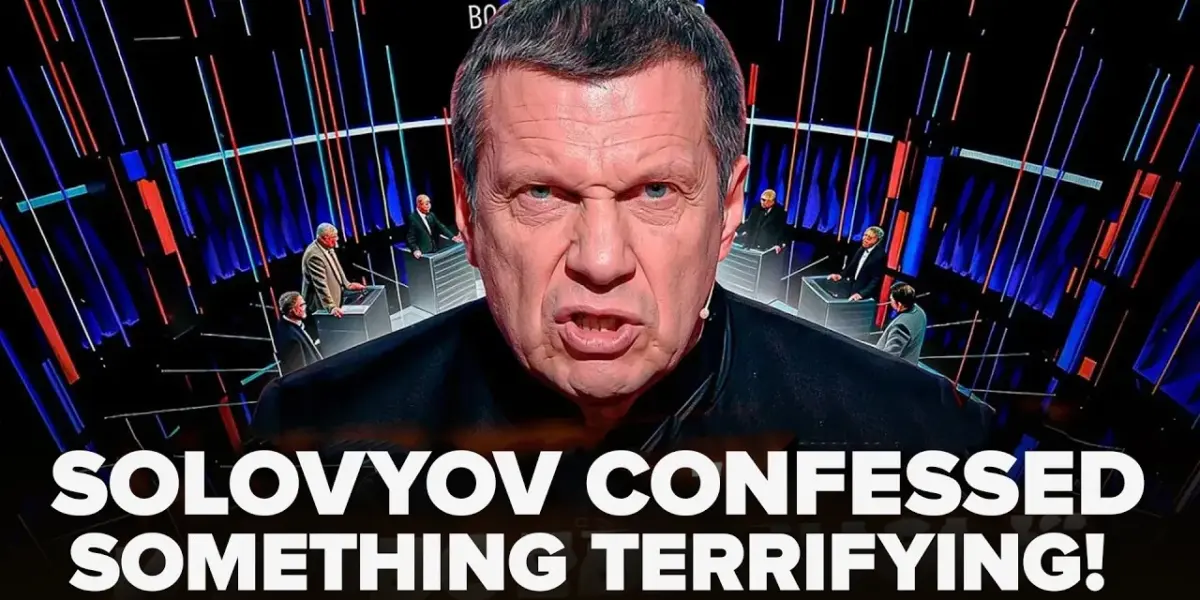
Russian TV Panics Over War Failures, Threatens West
Russian state television is showing increasing signs of panic as the conflict in Ukraine drags on. Pundits are struggling to explain battlefield setbacks and are resorting to blaming external forces and issuing threats against Western nations. This shift in rhetoric highlights growing frustration and a lack of accountability within Russia’s leadership.
Norway’s Role and German Ambitions
Concerns are being voiced about Norway potentially entering the conflict by training Ukrainian forces to use naval drones and underwater vehicles. Such actions could target Russia’s northern fleet, including strategic bases, which some analysts warn could be seen as an act of nuclear war. Germany’s stated goal of pushing eastward is also being framed as a recurring European aggression against Russia, echoing historical conflicts.
Internal Blame Game and Propaganda
On Russian state media, particularly in programs hosted by Vladimir Solovyov, discussions frequently devolve into searching for scapegoats rather than addressing systemic failures. The leadership under President Putin is consistently shielded from criticism. When things go wrong, blame is placed on outside enemies, provocations, or internal traitors, a tactic designed to deflect from the government’s own shortcomings.
Escalating Threats and Familiar Narratives
The propaganda machine is rolling out familiar threats against Europe, often delivered in a routine manner that lessens their impact. Recent discussions have also brought up the idea of a “dirty bomb,” a topic that resurfaces regularly without new evidence, this time targeting Germany. This focus on external threats serves to distract from Russia’s internal problems and the ongoing struggles in Ukraine.
Stalled Progress in Ukraine
The Russian army appears to be deeply entrenched in Ukraine with little progress toward its stated goal of controlling the Donbas region. Despite this reality, Moscow continues to present this as a key condition for peace talks. The ability of Moscow to dictate terms is increasingly being questioned as the war’s realities clash with official narratives.
Weaknesses in Russian Air Defense
On the ground, Russian air defense systems are exhibiting significant weaknesses. Ukrainian drones have successfully struck targets deep within Russian territory, sometimes up to 1,000 kilometers from the border. This contradicts official claims of air superiority and reveals a more unstable situation than publicly acknowledged.
Calls for Mass Production and Historical Parallels
Solovyov has expressed frustration over the slow pace of military production. He questions why essential items like air defense systems and missiles are not being mass-produced by hundreds of factories, instead relying on a single factory. This reflects a call to adopt lessons from the Great Patriotic War, emphasizing efficiency and rapid execution.
Unmet Expectations and Shifting Blame
Russia clearly did not anticipate a prolonged conflict. Early expectations of a swift victory, evidenced by reports of soldiers carrying parade uniforms, have given way to a search for internal blame. The rhetoric is becoming more extreme, with calls to send critics to the front lines.
Volunteer Motivations and Financial Incentives
Even within propaganda circles, questions are arising about the large payments made to “volunteers.” Instead of ideological motivation, financial incentives appear to be the primary draw for many recruits. This suggests a transactional approach to military service, far from the patriotic narrative often presented.
Radical Solutions Proposed
There are suggestions that recruiters themselves should serve on the front lines. Alternatively, funds allocated for volunteers could be used to hire experienced foreign fighters or invest in robotics and automated command systems to improve battlefield effectiveness.
Strikes on Oil Refineries and Funding Challenges
Ukrainian strikes on Russian oil refineries highlight both the vulnerabilities in Russian air defense and the increasing financial strain of the war. Some proposals now include asking ordinary Russians to contribute financially to weapons production, indicating a struggle to fund the ongoing conflict.
Satellite Constellations and Economic Power
Discussions have turned to the need for low Earth orbit satellite constellations. Suggestions include launching thousands of satellites, collaborating with China on its existing constellation, or using barter systems like oil and gold to fund these projects. The proposals reflect a desperation to overcome financial limitations.
Bureaucracy and Learning from the Enemy
Beyond immediate war needs, Russian media is now discussing bureaucracy as a major impediment. Slow decision-making and excessive paperwork are seen as hindering efficiency. Surprisingly, there are suggestions that Moscow should learn from Ukraine and even American management systems to speed up processes.
Illogical Decisions and Sanctions
Russia’s decisions are often perceived as illogical, and the unprovoked war has brought no positive outcomes. The country faces unprecedented sanctions, rivaling North Korea’s isolation. Despite this, state media continues to promote narratives of strength and success.
Calls for Revenge and Targeting Corporations
Propagandists are increasingly calling for direct strikes against Western nations, including Germany, Poland, and the UK. They question why Ukrainian-owned factories producing weapons on foreign soil are not targeted. Some even suggest that corporations like Tesla and individuals like Elon Musk are actively fighting Russia and should be considered legitimate targets for destruction.
Elon Musk as a Target
Elon Musk is being singled out, with blame for Starlink disruptions cited as a reason for Russian offensive failures. This narrative fuels calls for retaliation. Questions are also raised about Musk’s actions, especially considering U.S. government funding for his ventures.
Taboos and Escalation
There is debate about whether any taboos remain in warfare. Some acknowledge that targeting satellites would likely lead to retaliation against Russian space assets. Despite this, the prevailing rhetoric continues to push for aggressive actions and extreme scenarios, including the potential use of tactical nuclear weapons.
False Narratives on Donbas and Ukrainian Rights
Russian studios are repeating claims that Ukraine has violated the rights of Russians living in Ukrainian territory. This narrative is used to justify the war. However, evidence suggests these claims are false, and Russian propaganda often distorts facts, including the status of regions like Luhansk.
The Reality of Strikes on Russian Cities
While Russian media focuses on external threats, Ukrainian weapons are reaching Russian cities. The narrative often omits the fact that these strikes are reportedly not aimed at civilians. The contrast between the propaganda and the on-the-ground reality is stark.
Calls for Nuclear Strikes
Extreme scenarios, including the use of tactical nuclear weapons, are being presented as realistic options. The idea is that if conventional strikes fail, more drastic measures might be necessary. This rhetoric aims to pressure the West and sow fear.
German Nuclear Ambitions and “Boiling the Frog”
New claims suggest Germany could become a nuclear state, a narrative that echoes previous fabrications about Ukraine obtaining nuclear weapons. One commentator describes a “boiling the frog” scenario, where Europe has gradually been drawn into conflict with Russia over the past four years. This gradual escalation is attributed to European military buildup and NATO expansion, though critics point out Russia initiated the war in Ukraine.
Corporations as Enemies
The idea that corporations like Tesla and individuals like Elon Musk are actively engaged in a war against Russia is being promoted. This framing suggests that their assets should be considered legitimate targets, pushing for a broader conflict beyond Ukraine.
Support Ukraine and Expose Propaganda
The persistent calls for bombing and destruction from Russian propagandists highlight the need for continued Western unity and support for Ukraine. The ongoing effort to expose Russian disinformation is crucial in countering these narratives and understanding the true costs of the war.
Source: 🔥SOLOVYOV fell into PANIC! LOSING IT on air over the failure of the “SVO" (YouTube)

Related Articles

Markets Dip Amidst Iran Tensions; Goldman Sees Opportunity
Global markets dipped as U.S.-Iran tensions flared after the U.S. Navy boarded an Iranian ship. Despite the geopolitical concerns, Goldman Sachs notes continued investor positioning and strong AI sector performance, suggesting potential for further market upside. The situation with Iran remains a key factor to monitor.


Stocks Hit Record Highs Amid Geopolitical Fears
Stock markets are reaching record highs, but low trading volumes and geopolitical tensions in the Middle East are raising concerns. Meanwhile, the crypto space faces risks from major hacks and DeFi protocol vulnerabilities, prompting caution among investors and traders.

Trump’s Firm Stance Could Force Iran’s Hand
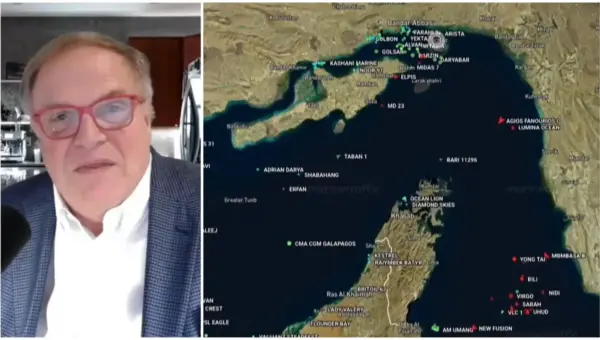
America's patience with Iran may be running out as repeated agreement breaches continue. Analyst Gan Valentino suggests that former President Trump's firm stance could force Iran's hand, potentially leading to military action if a deal isn't reached this week. The situation highlights long-standing geopolitical tensions and the complex future of Iran's governance and its role in the region.