Auto Giants May Build Weapons in WWII-Style Production Push
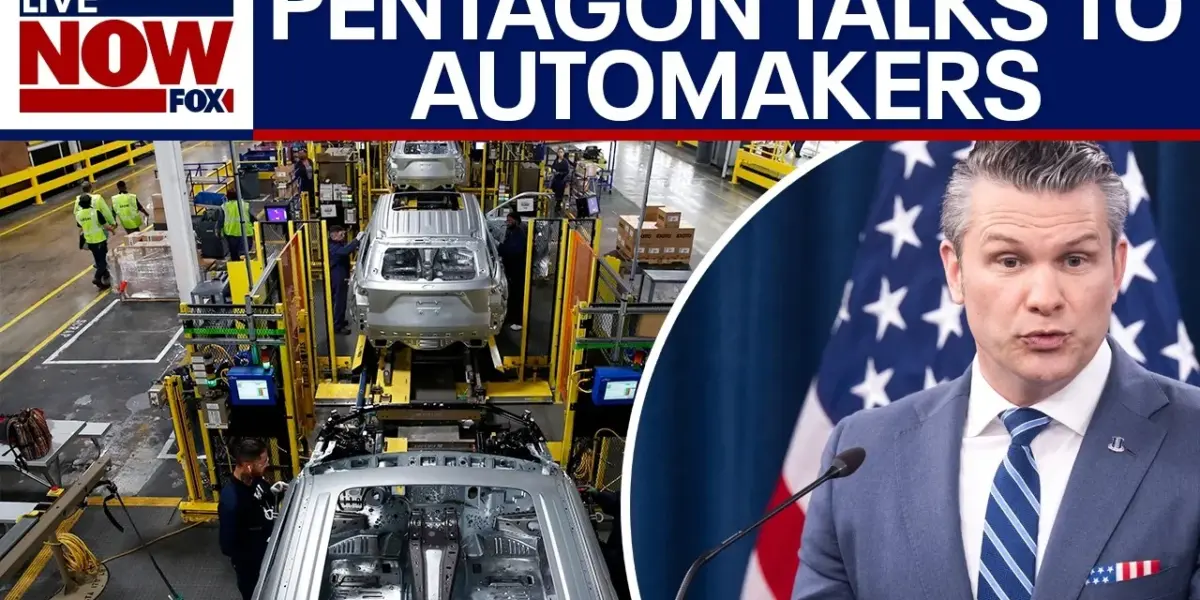
The Pentagon is reportedly in talks with Ford and GM about repurposing auto factories for weapons production, echoing a World War II-style mobilization. This move aims to address dwindling military stockpiles amid ongoing global conflicts, though complex supply chains and workforce needs present significant challenges.

Auto Giants Tapped for Military Production
The U.S. Pentagon is reportedly talking with top executives at Ford and General Motors about using their factories and workers to ramp up weapons production. This potential World War II-style effort aims to strengthen military supplies as conflicts in Ukraine and the Middle East continue. These early discussions explore how the auto industry’s vast manufacturing capacity could be repurposed for defense needs.
A Look Back at Industrial Mobilization
This idea of automakers building military hardware is not new. During World War II, companies like Ford and GM shifted their production lines to create bombers, tanks, and ammunition.
For example, Oldsmobile, a now-defunct GM brand, produced an estimated 48 million rounds of ammunition during that era. This historical precedent shows the potential for a swift industrial mobilization in times of national need.
Why the Sudden Need for More Weapons?
The push for increased production comes as existing stockpiles are being depleted. The conflicts in Ukraine and, more recently, the strikes involving Iran have consumed large quantities of missiles and other munitions.
Current defense contractors, who have consolidated significantly since the Cold War, simply do not have the capacity to keep up with demand. This leaves the U.S. military concerned about having enough advanced weaponry, like Patriot interceptors and Tomahawk cruise missiles, if larger conflicts arise.
Complex Supply Chains Pose Challenges
While automakers have the factories and skilled workers, ramping up weapons production is not straightforward. Unlike World War II, modern weapons rely on complex global supply chains. Many crucial components, such as semiconductors, are made overseas.
Raw materials needed for weapons manufacturing are often processed in countries like China. Bringing these supply chains back to the U.S. and building new ones takes significant time and investment.
Specific Weapons Face Production Hurdles
Certain advanced weapons present unique manufacturing challenges. The Tomahawk missile, for instance, requires a vast increase in production, with the Navy planning to purchase over 700 next year, a massive jump from recent years. The production of solid rocket motors, essential for many missiles, is another area of concern.
The suppliers for these weapons are often smaller companies that also need to expand their operations significantly. This intricate web of suppliers must grow alongside the major manufacturers.
The Workforce Factor: People Power
A key advantage automakers bring is their large, skilled workforce. The defense industry, like much of American manufacturing, faces a shortage of skilled labor, particularly in areas like welding. Companies like Oshkosh, which builds specialty vehicles, have thousands of workers, including many welders, who could potentially be redirected.
The Pentagon is exploring how to best utilize these existing human resources. They are also looking at newer technologies, such as robotics, to help fill labor gaps in critical areas like shipbuilding.
Potential Economic Ripples
Shifting auto manufacturing capacity to weapons production would undoubtedly have economic consequences. During World War II, this shift led to labor changes and impacted the availability of consumer goods. The current discussions acknowledge that such a move would create side effects.
The hope is that such a large-scale mobilization would not be necessary, but planning is underway to ensure readiness. The government is also exploring partnerships with innovative startups that may be more agile than larger, established defense companies.
Looking Ahead: Wartime Footing
Defense Secretary Pete Hakes has spoken about putting the defense industry on a “wartime footing.” These conversations with automakers are a clear indication of that strategy. While the current talks are in their early stages, they lay the groundwork for a potential future where American industry could quickly pivot to meet urgent defense needs. The focus remains on building the capacity and supply chains necessary for sustained, high-volume production should it become necessary.
Source: US auto industry reportedly asked to aid military weapons production (YouTube)

Related Articles


Pentagon Barred Trump Due to “Volatile” Behavior
Top Pentagon officials reportedly excluded then-President Donald Trump from a critical briefing after Iran shot down a U.S. drone due to concerns about his "volatile" behavior. Aides feared his impatience would disrupt necessary planning, opting instead to update him at key moments.


Military Leaders Try to Block Trump’s War Escalation
Military leaders are reportedly trying to sideline Donald Trump from war discussions due to his erratic behavior. Meanwhile, Trump issues escalating threats against Iran, while Iran rejects his claims and refuses to negotiate under current conditions. Upcoming talks in Pakistan face an uncertain future.


Generals Blocked Trump from Briefings Amidst War Fears
Top Pentagon officials reportedly excluded former President Donald Trump from critical briefings due to fears his erratic behavior could jeopardize a mission. This decision stemmed from Trump's volatile state after Iran shot down a U.S. airman, leading to threats and obsession with political fallout. The situation highlights concerns about leadership judgment and trust within the administration.