China’s Social Fabric Tears Under Strain
Recent events in China reveal a society under immense strain, marked by violent incidents, infrastructure failures, and growing public distrust. As economic hardship and government overreach increase, citizens are moving from quiet suffering to open defiance, challenging the regime's legitimacy.

China’s Social Fabric Tears Under Strain
China’s society is showing signs of deep stress, moving beyond just economic worries. Recent events suggest a system under pressure, where both individuals and local governments struggle with dwindling resources. This strain is leading to increased desperation, anger, and a breakdown in how society is managed.
The physical spaces where people live and work are also suffering. Infrastructure, often built with poor quality and weak oversight, is now neglected due to less money for repairs and fewer safety checks.
Public areas are not just run down; they are becoming targets for unrest. This is not a new concern, but it is now a visible and growing problem.
Violence Becomes a Tool of Desperation
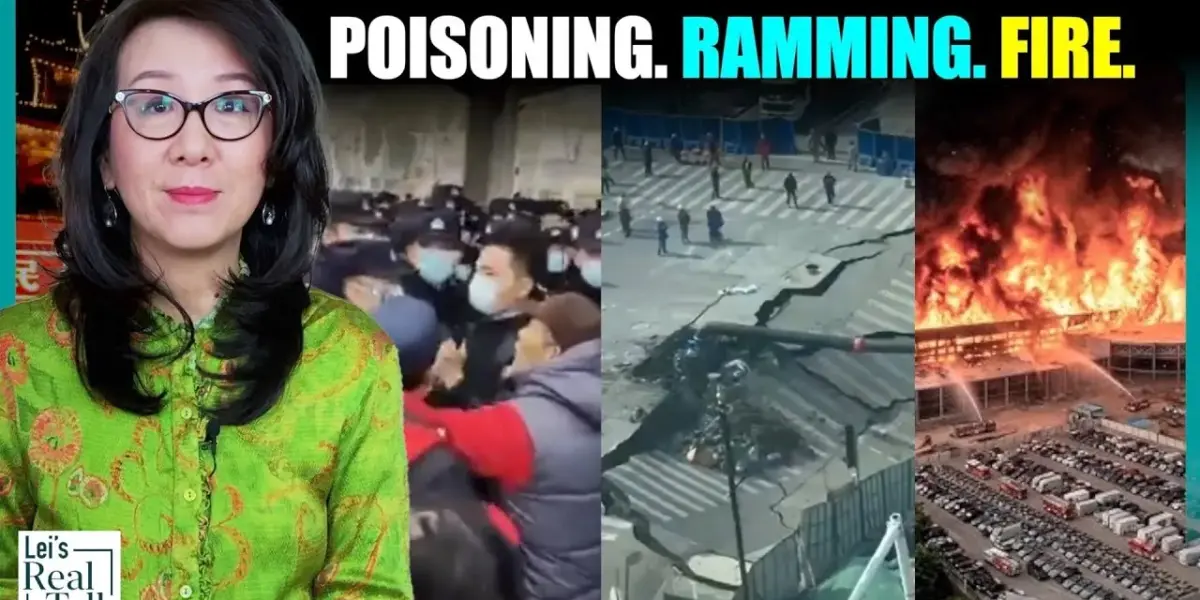
In Beijing, a man poisoned food stalls and then drove a vehicle into a crowd, causing many deaths and injuries. This attack, along with other incidents of cars hitting pedestrians in multiple cities, points to a disturbing trend. These are not random acts but signals of a society pushed to its limits.
The official reports often downplay the severity of these events, classifying intentional violence as simple accidents or operational errors. This is an attempt to control public reaction and strip the incidents of their political meaning. However, eyewitness accounts and circulating videos tell a different, more alarming story.
Economic Hardship Fuels Social Unrest
The crackdown on over 100,000 electric mopeds in Shenzhen highlights the financial pressures on ordinary citizens. For many working-class individuals, these mopeds are essential for their livelihood. The aggressive seizure of these vehicles, without providing alternatives, directly impacts their ability to survive.
The harsh enforcement is partly driven by the need for local governments to raise revenue. Fines from confiscated vehicles and the subsequent sale of these mopeds, sometimes to overseas markets, have become a source of income. This shows how financial stress on governments can lead to extreme measures against their citizens.
Infrastructure Fails Under Neglect
Beyond social unrest, China’s physical infrastructure is also showing signs of collapse. Several bridges have failed or collapsed recently, some shortly after opening. Investigations reveal poor construction and a lack of steel reinforcement as major causes.
Insufficient funding for maintenance is a critical issue. As local governments face growing deficits, essential repairs are neglected. This decay of infrastructure, built on lower standards, has become a major public safety hazard across the country.
Fires and Explosions Raise Questions
A series of factory fires and explosions across China have added to the growing unease. Many of these incidents, including a gas explosion at a restaurant and a fire at a technology company, have official explanations that don’t match public accounts or witness descriptions.
The BYD factory fire, in particular, sparked widespread suspicion. While authorities claimed no casualties and described the destruction of scrap vehicles, rumors of a much higher death toll and trapped workers circulated widely. This gap between official narratives and public perception erodes trust.
Erosion of Trust and Rising Defiance
When official reports and public belief diverge sharply, trust collapses. This breakdown means that new incidents are no longer seen as isolated but as part of a larger pattern of systemic failure. This pattern includes neglected industrial safety and the radicalization of social resentment.
The government’s response, including information blackouts and downplaying of casualties, only accelerates this loss of trust. Instead of calming society, these actions inflame it. This has led to a tightening of control, with new measures to block overseas internet traffic and target VPNs.
A Shift from Fear to Open Challenge
Despite increased control, a significant shift is happening at the grassroots level. People are moving from silent frustration to public defiance. Graffiti targeting the leader and public protests against the Communist Party are becoming more common.
Most a formal complaint was filed in Shenzhen that openly called for Xi Jinping to step down and urged citizens to oppose the Communist Party. The fact that this complaint was accepted and officially responded to by local authorities is seen as an unprecedented challenge to the system’s legitimacy.
History Resurfaces Amidst Present Crises
As the legitimacy of the current regime is questioned, people are looking to the past. The resurfacing of information about the Jang Mu Detention and Repatriation Center has brought back painful memories of past abuses. This facility, which processed hundreds of thousands of people, is linked to unnatural deaths and disappearances.
Survivors’ accounts describe a system that operated outside the law, targeting vulnerable populations. The reemergence of this history connects past abuses to present-day issues like transnational scam operations, suggesting a deep-rooted institutional darkness.
A Dangerous Combination of Control and Resistance
China is facing multiple crises simultaneously: economic pressure, government overreach and inaction, decaying infrastructure, social anger, and a breakdown of trust. The government is tightening control by restricting information and increasing enforcement.
However, at the same time, people are losing their fear. They are moving beyond complaints to open resistance, both violent and political. This combination of tightening control from above and rising resistance from below creates a dangerous situation for the regime.
Why This Matters
The events described signal a fundamental shift in Chinese society. The increasing frequency of seemingly isolated incidents, from violent attacks to infrastructure failures and suspicious fires, suggests that the system is under immense pressure. The government’s attempts to control information and narratives are failing to quell public discontent.
The most significant development is the move from passive suffering to active defiance and even open political challenge. When citizens begin to question the legitimacy of their government and look to historical injustices, it indicates a deep societal fracture. The government’s strategy of tightening control may only serve to further inflame these tensions.
Implications and Future Outlook
The current situation in China is characterized by a dangerous duality: increased state control at the top and growing public resistance at the bottom. This dynamic is inherently unstable. The pressure that has been building within the system is unlikely to disappear; it will find an outlet.
The question is no longer whether this pressure will be released, but how and when. The government’s efforts to create a fully closed internet and suppress dissent may temporarily contain information, but they cannot solve the underlying social and economic problems. The future likely holds continued instability and unpredictable challenges for the Chinese regime.
Historical Context
For decades, China’s economic growth has been built on a model that often prioritized development over worker welfare and environmental safety. This has created a society where economic disparities are vast, and many citizens feel unheard and exploited. The current infrastructure failures can be traced back to rapid, often poorly regulated, construction projects during boom times.
The reemergence of historical grievances, like the Jang Mu Detention Center, highlights a pattern of state control that has often come at a high human cost. These past actions, when brought to light, fuel present-day anger and distrust towards the authorities. Understanding this history is crucial to grasping the depth of current social unrest.
Looking Ahead
The current period in China is marked by a visible increase in public desperation turning into direct political challenge. The official acceptance of a complaint calling for the leader’s resignation is a stark example of this shift. This indicates that the system is not just under pressure but is being fundamentally questioned.
As of April 17th, a formal complaint was submitted in Shenzhen calling for Xi Jinping to step down, marking a significant escalation in public defiance. This event, along with others, suggests that the pressure building within China is nearing a critical point.
Source: China Is at a Breaking Point—Here’s Why (YouTube)

Related Articles


Tech CEOs Lose Public Trust, Mirroring Healthcare Leaders
Tech leaders are losing public trust, drawing comparisons to healthcare CEOs. This shift stems from a feeling of exploitation and helplessness fueled by AI and perceived arrogance. Ultimately, product experience will reveal the truth about these companies.
China’s Top Cop Vanishes: Is Xi Jinping Purging His Own Enforcer?
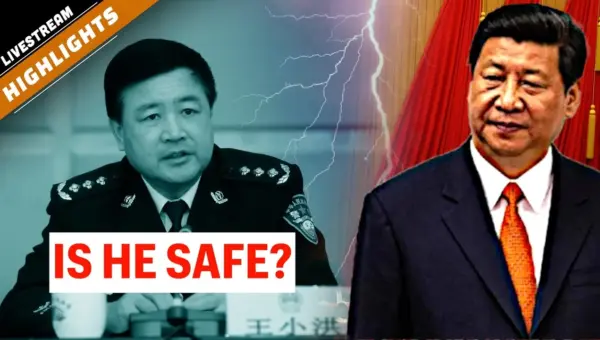
China's top police official, Wang Xiaohong, vanished for nearly a month, sparking intense speculation. While bizarre rumors circulate, a pattern of power dismantling and a suspicious reappearance suggest a potential purge by Xi Jinping.
Evergrande Founder Admits Guilt as China’s Property Crisis Deepens
Evergrande founder Xu Jiayin has pleaded guilty to multiple charges including illegal fundraising and fraud. This admission comes as China grapples with its deepening property crisis, which Evergrande's massive debt helped to trigger. The case highlights the human cost of unchecked real estate development and Beijing's efforts to regain control.