Trump’s Power Grabs: Allegations of Abuse Surface
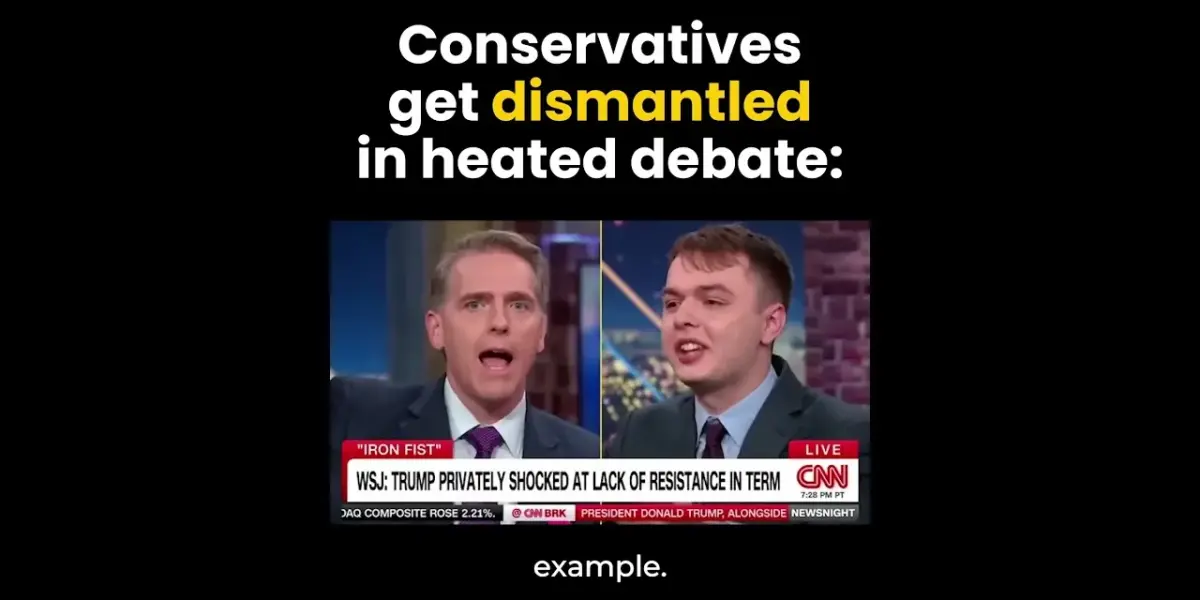
Allegations surfaced during a live debate suggesting former President Trump abused his power by subverting Congress and appointing loyalists to key positions. The discussion focused on whether Trump directed legal actions against specific individuals, raising concerns about the weaponization of the justice system and the integrity of democratic institutions.

Trump’s Power Grabs: Allegations of Abuse Surface
During a recent debate, serious accusations were leveled against former President Donald Trump regarding his use of presidential power. The core claim is that Trump subverted Congress and consolidated power by appointing loyalists to key positions within government agencies. This move, critics argue, aimed to bypass traditional checks and balances and advance his personal agenda.
The transcript suggests that Trump’s actions, particularly on his first day in office, involved issuing a significant number of executive orders. These actions, combined with his appointments, are described as an attempt to undermine the “power of the purse,” a fundamental congressional authority over government spending.
Examining the Allegations
One specific point of contention involves a request made by Trump to Pam Bondi, a former Florida Attorney General. The transcript hints at a direct communication, possibly a private message that was accidentally made public, where Trump allegedly asked Bondi to take action related to an indictment. This is presented as evidence of Trump directly influencing legal processes.
The debate also touched upon the nature of presidential appointments. While it’s standard practice for presidents to appoint individuals who align with their political views, the accusation here is that Trump went further. He is accused of asking supporters to seek indictments against specific individuals, with two of those targeted eventually being indicted.
Weaponizing the Justice Department?
A central theme of the discussion is whether the Department of Justice (DOJ) was “weaponized” under Trump’s presidency. The transcript contrasts this with claims that President Biden’s administration did not similarly misuse the DOJ. When asked if Biden ever asked Attorney General Merrick Garland to pursue specific individuals, the response was that there was no evidence of such requests.
However, the transcript does mention Garland sending a memo regarding parental rights. The argument presented is that while presidents can express opinions on how their administration functions, directly asking for specific legal actions against individuals crosses a line. This is highlighted by the fact that Trump allegedly named three people, and two were indeed indicted.
The transcript suggests a direct link between Trump’s specific requests and subsequent indictments, portraying this as more than just an expression of opinion.
The Role of Loyalty and Influence
The debate highlights a perceived difference in how Trump allegedly directed legal actions compared to typical presidential conduct. The transcript suggests that Trump pressured his Attorney General, Eric Seabird, who was then forced out when he resisted pursuing a case. This is presented as an example of Trump overriding the judgment of his own appointees to achieve his desired outcome.
The argument is made that it is naive to believe that the Biden administration’s DOJ operated independently of presidential influence. However, the counter-argument presented is that restoring the rule of law within these institutions should involve de-escalating such pressures, not continuing to “weaponize” them.
Guilt vs. Process
A crucial distinction was drawn between the guilt or innocence of those indicted and the alleged improper influence in the prosecution process. The focus, according to one speaker, is not on whether the indicted individuals deserved it, but on Trump’s alleged role in directing his Attorney General on who to prosecute. This is seen as a direct attempt to control the legal system for political ends.
The opposing viewpoint emphasizes that any prosecutor must present evidence to a grand jury and go through established legal processes. However, the specific instance cited involves Trump allegedly forcing out a prosecutor who was unwilling to proceed, suggesting a bypass of these standard procedures.
The Conservative Response
The transcript notes a perceived pattern of conservatives on the panel evading the core issue. The speaker expresses frustration at the lack of evidence presented to counter the claims of weaponization, despite repeated questioning. The central accusation remains that Trump directed legal actions without providing concrete evidence of wrongdoing by those targeted.
The debate suggests a fundamental disagreement on the extent to which presidential influence over the justice system is acceptable. While presidents appoint officials who share their views, the line appears to be drawn at directing specific prosecutions or pressuring subordinates to initiate them.
Why This Matters
The allegations discussed strike at the heart of democratic principles and the rule of law. The idea that a president might use the power of their office to target political opponents or influence legal outcomes erodes public trust in government institutions. It raises questions about accountability and the separation of powers, which are vital for a healthy democracy.
If presidents can direct the justice system to achieve personal or political goals, it undermines the principle that everyone is subject to the law, including those in power. This can lead to a perception that justice is not blind but is instead a tool of the executive branch, a dangerous precedent for any nation.
Implications and Future Outlook
The ongoing debate about presidential power and its potential for abuse has significant implications for future administrations. It sets a standard, either positive or negative, for how executive authority can be exercised. The public’s awareness and scrutiny of these actions are crucial in holding leaders accountable.
Future legal and political challenges may arise from these alleged actions, potentially shaping how presidential power is understood and limited. The transparency and integrity of the justice system remain paramount concerns for citizens and policymakers alike.
Historical Context
Throughout history, there have been concerns about executive overreach in various countries. The balance between a president’s need to effectively govern and the imperative to respect legal and constitutional boundaries is a constant tension. Debates like the one presented are not new, but they gain particular urgency depending on the specific allegations and the political climate.
Understanding these historical patterns helps contextualize current events. It reminds us that vigilance is required to protect democratic institutions from potential erosion. The specific details of Trump’s alleged actions, as discussed, will likely be debated and analyzed for years to come.
The next steps in any legal or political review of these matters will be closely watched. The transcript ends with a call for evidence, highlighting the ongoing need for clear facts to guide public understanding and potential accountability.
Source: Adam Mockler CRUSHES MAGA In Live Debate 🔥 (YouTube)

Related Articles

Trump’s Allies Face Scandals as World Leaders Rethink Ties
Allegations of foreign interference and scandals surrounding Donald Trump's allies, like Cash Patel, are raising serious questions. The article explores criticisms of U.S. foreign policy, particularly concerning Russia and Israel, and calls for greater accountability in leadership.
Generals Warn Trump’s Behavior Threatens National Security
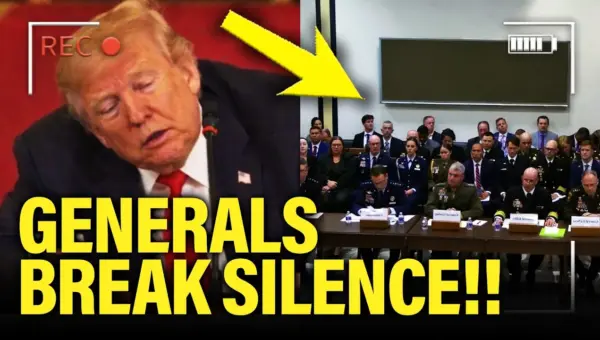
Top military leaders are reportedly warning that Donald Trump's erratic behavior and temperament pose a threat to national security. Leaked information suggests concerns over his decision-making, leading to him being excluded from critical mission briefings. This comes amid reports of low morale and broader issues within the U.S. military.
Trump Threatens Iran: “Blow Up Every Power Plant”
President Trump has issued a stark warning to Iran, threatening to "blow up every power plant and bridge" if a deal is not signed amid a naval blockade. This comes as U.S. forces intercepted an Iranian cargo ship, escalating regional tensions. Despite this, a strong earnings outlook for the oil sector provides a contrasting positive economic signal.