Russia Rejects Ukraine’s EU Path, Warns Europe
Russia has rejected Ukraine's pursuit of European Union membership, warning that any move to integrate Ukraine into a Western military bloc would trigger severe consequences for Europe. Moscow views Ukraine's European future as a direct threat and aims to block its accession to the EU.

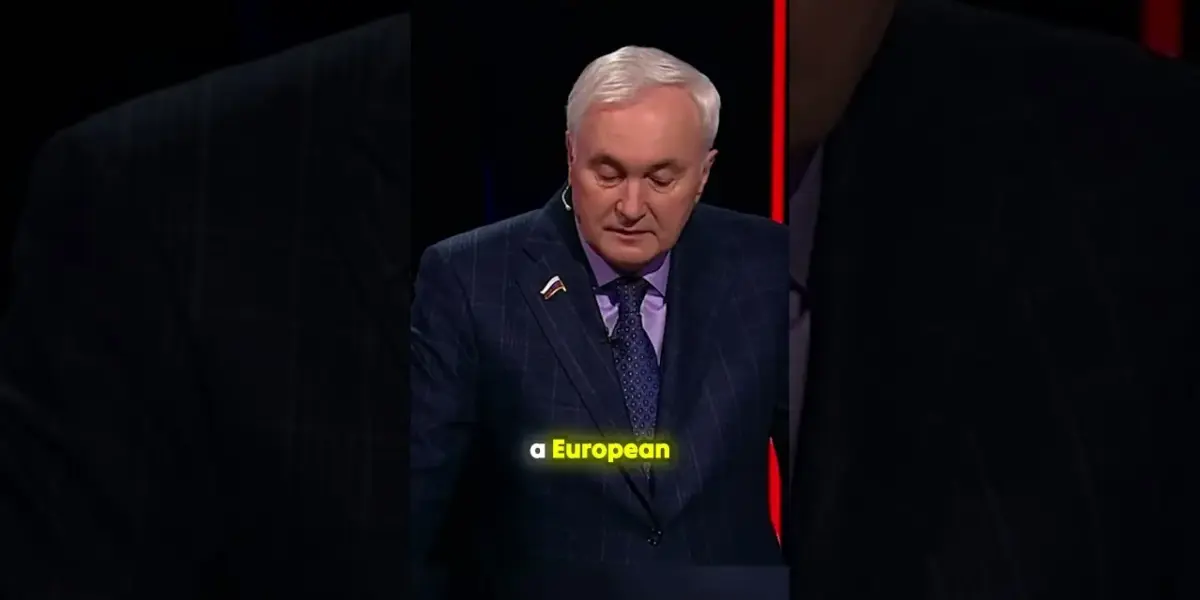
Russia Signals Hard Line on Ukraine’s European Aspirations
Moscow has explicitly rejected Ukraine’s pursuit of European Union membership, warning that any move to integrate Ukraine into a military bloc perceived as hostile to Russia would trigger severe consequences for Europe. This stance marks a significant escalation in rhetoric, directly challenging Ukraine’s post-invasion efforts to solidify its Western ties.
The Kremlin views Ukraine’s European future as a direct threat, stating it would not suit Russia’s narrative to justify its ongoing military actions. Russian officials have indicated a strong desire to block Ukraine’s accession to the EU, seeing it as a strategic move by Kyiv to align itself firmly with the West. This opposition is not new, but the explicit linkage to potential military blocs and broader European security concerns signals a hardening of Russia’s position.
Shifting Russian Objectives
Initially framed as a ‘special military operation,’ Russia now suggests its objectives have evolved beyond that designation. The focus has shifted towards preventing Ukraine’s integration into any military alliance seen as directed against Russian interests. This implies a broader strategic goal than previously articulated, aiming to contain Ukraine’s geopolitical alignment.
Russian statements indicate a refusal to even consider Ukraine’s potential inclusion in a ‘European military union.’ This suggests a direct challenge to the security architecture of the continent, implying that Ukraine’s integration into Western security structures is now a red line. Such a move, according to Moscow, would inevitably lead to ‘widespread and unpleasant consequences for Europeans,’ a veiled threat aimed at deterring further Western support.
Strategic Implications
Russia’s rejection of Ukraine’s EU aspirations and its warnings against military integration highlight a fundamental disagreement over Ukraine’s future sovereignty and geopolitical orientation. For Russia, Ukraine joining a military union would be seen as an unacceptable expansion of Western influence on its borders, akin to historical security concerns that have driven Russian foreign policy.
This development puts European nations in a difficult position. They must balance their support for Ukraine’s right to self-determination and its desire for closer ties with the West against the potential for direct confrontation with Russia. The Kremlin’s rhetoric suggests that any steps perceived as militarizing Ukraine’s relationship with Europe could be met with a significant response, potentially destabilizing the region further.
Historical Context
Russia’s deep-seated concerns about NATO expansion eastward have been a recurring theme in its foreign policy for decades. The post-Cold War era saw former Warsaw Pact nations join NATO, a development Russia has consistently viewed with suspicion and alarm. Ukraine’s potential membership in a European military alliance would represent a further expansion of Western security structures into what Russia considers its sphere of influence.
This situation echoes historical patterns where great powers have sought to maintain buffer zones or prevent rival alliances from encroaching on their perceived security interests. The current rhetoric suggests Russia is prepared to act to prevent what it views as a strategic encirclement, potentially escalating the conflict or creating new flashpoints.
What This Means on the Ground
For Ukraine, the Russian statements represent a significant obstacle to its long-term security and economic future. Kyiv has consistently sought closer integration with the EU and NATO as a means of ensuring its stability and deterring future aggression. Russia’s explicit opposition, coupled with threats of wider consequences, aims to sow division and doubt among European nations regarding the wisdom of further supporting Ukraine’s Western integration.
The warnings also signal that Russia may be prepared to escalate its actions or broaden the scope of the conflict if Ukraine continues to pursue integration into Western military structures. This could involve increased military pressure, hybrid warfare tactics, or other measures designed to disrupt Ukraine’s progress and deter its European partners. The focus appears to be on preventing Ukraine from becoming a security partner of Europe, regardless of its formal membership status.
The situation remains fluid, with Russia clearly signaling its intent to actively oppose Ukraine’s integration into Western security frameworks. The coming months will likely see continued diplomatic maneuvering and potential escalations as Moscow seeks to enforce its red lines.
Source: 😱The Truth Behind the 'One People' Myth: Ukraine's European Path (YouTube)

Related Articles

Kremlin Exploits MAGA Rift to Destabilize U.S.
Prominent MAGA figures have simultaneously launched harsh criticisms against Donald Trump, a move analysts suggest is a coordinated Russian effort to destabilize the U.S. political system. This strategy aims to fracture the influential MAGA movement, weakening America's global standing.

Iran Tensions Flare as US Seizes Ship, Ceasefire Hangs by a Thread
The U.S. Navy seized an Iranian cargo ship in the Strait of Hormuz, escalating tensions as a fragile ceasefire nears its expiration. Diplomatic efforts are underway, but Iran's participation is uncertain, leaving the region on edge.
Russian TV Panics Over War Failures, Threatens West
Russian state television is gripped by panic over the prolonged war in Ukraine, with pundits struggling to explain battlefield failures. The rhetoric has shifted to blaming external forces, issuing threats against the West, and even calling for strikes on NATO territory. This reflects growing internal frustration and a deflection from systemic problems within Russia's leadership.