Iran Ceasefire Boosts Stocks, But Fed Chair Pick Faces Scrutiny
Wall Street is seeing a rebound as a ceasefire with Iran is extended, easing geopolitical fears. However, President Trump's Federal Reserve nominee faces tough questions about independence, raising concerns about potential political influence on interest rates.

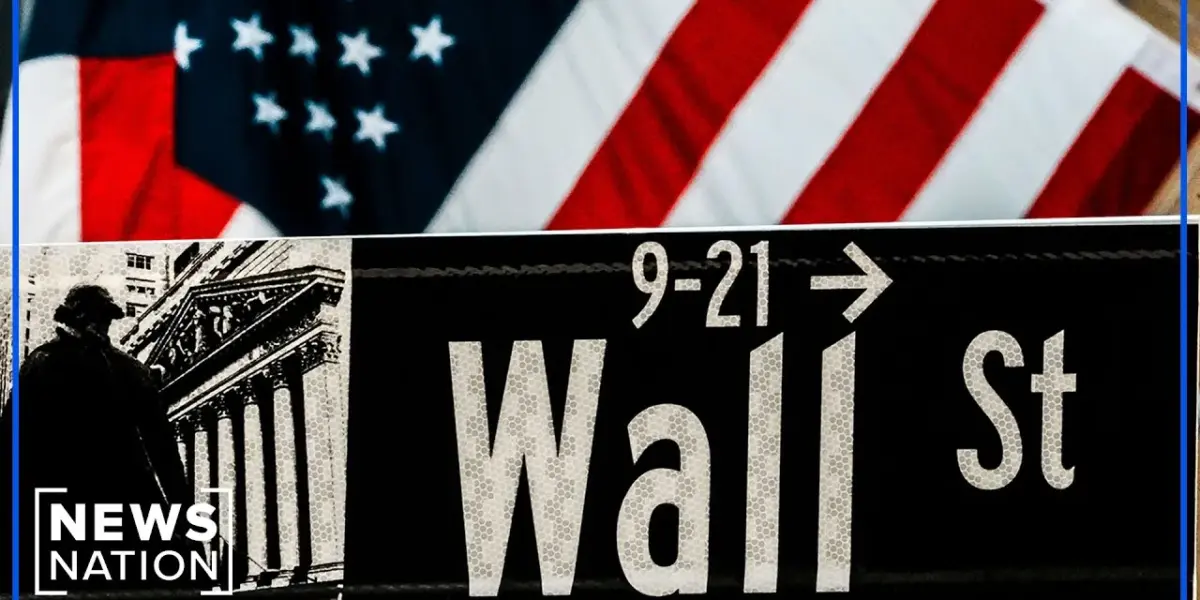
Markets Rally on Iran Truce, Yet Washington Woes Linger
Wall Street investors are breathing a sigh of relief this week. After a shaky start, markets are showing signs of a rebound.
This positive shift comes thanks to President Trump extending a temporary ceasefire with Iran. The news overnight offered a much-needed boost, helping stocks move higher before trading officially began.
The markets had been under pressure for the past two days. This pressure mounted as the previous ceasefire deadline approached.
However, the extension of peace talks with Iran has calmed nerves. Investors are now looking for further gains as the week continues.
Capitol Hill Hearings Capture Market Attention
Beyond international developments, Wall Street is also closely watching events in Washington D.C. Several key hearings are taking place on Capitol Hill this week.
These discussions focus on the health of the U.S. economy and the future of monetary policy. Financial leaders are also facing tough questions from lawmakers.
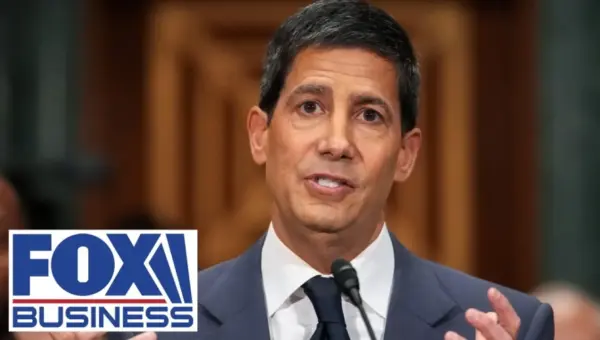
Commerce Secretary Wilbur Ross is scheduled to testify before the House Oversight Committee. His testimony will address any potential ties he may have had with convicted sex offender Jeffrey Epstein. This hearing follows a particularly intense session yesterday for President Trump’s pick to lead the Federal Reserve, Kevin Warsh.
Fed Chair Nominee Faces Doubts
Kevin Warsh is facing an uphill battle for confirmation as the next Federal Reserve Chair. Some Democrats and even some Republicans have expressed reluctance about his nomination. They question whether he will uphold the independence of the Fed or follow the President’s directives.
Senator Elizabeth Warren, a prominent critic, even suggested Warsh might act as a “sock puppet” for the President. This concern centers on whether Warsh would be pressured to lower interest rates. Warsh himself stated that the President never asked him to commit to any particular interest rate decision, nor would he ever agree to do so.
Interest Rate Debate: Inflation Risks
Many people, including those on Wall Street and everyday consumers, would welcome lower interest rates. However, economists warn of significant risks.
Cutting interest rates when inflation is already high could lead to further price increases. This delicate balance has many eyes on the Federal Reserve’s future actions.
Investors are eager to see what monetary policy stance Kevin Warsh would take if confirmed. His approach to interest rates will be a major factor in market stability. The confirmation process remains a key focus for the financial world.
Gas Prices Ease Amid Energy Secretary’s Assurance
The cost of gasoline has also been a significant concern for consumers and businesses. Energy Secretary Rick Perry testified this week, stating that gas prices should not rise further. His remarks aim to ease worries about continued price hikes at the pump.
The national average price for a gallon of gas has seen some relief. It peaked at over $4.20 in recent weeks but has since fallen.
The current national average is around $4.20, which is still higher than before the recent conflict. However, prices have been dropping daily since the ceasefire began.
Secretary Perry told Congress that the worst is over for gas prices. He believes prices have peaked and will likely continue to fall.
This prediction is based on the ongoing ceasefire and the de-escalation of tensions. People spoken to on Wall Street generally agree with this assessment, provided the ceasefire holds.
Why This Matters
The extension of the ceasefire with Iran provides a temporary calm in a volatile geopolitical region. This reduced uncertainty allows markets to focus on domestic economic factors. It also gives businesses more confidence to invest and expand, potentially leading to job growth and economic stability.
However, the ongoing scrutiny of the Federal Reserve nominee highlights the deep concerns about political influence on economic policy. The independence of the central bank is crucial for maintaining confidence in the U.S. dollar and the broader financial system. Any perceived compromise on this independence could lead to significant market volatility and damage investor trust.
Implications and Future Outlook
The coming days will be critical for assessing the longevity of the Iran ceasefire and its impact on global energy markets. If tensions continue to ease, oil prices could stabilize, further benefiting consumers and businesses. This stability could contribute to a more predictable economic environment.
Meanwhile, the confirmation hearings for the Federal Reserve leadership will set the tone for monetary policy. A nominee perceived as independent and focused on economic fundamentals would likely reassure markets. Conversely, a nominee seen as beholden to political pressure could create significant uncertainty and potential economic headwinds.
Historical Context
Geopolitical events have historically had a profound impact on financial markets. Major conflicts or diplomatic breakthroughs can cause sharp swings in oil prices, currency values, and stock market performance. The U.S. relationship with Iran, in particular, has been a source of global economic concern for decades, influencing energy prices and international trade.
The Federal Reserve’s role in managing the U.S. economy is also well-established. Its decisions on interest rates and monetary policy affect everything from mortgage rates to business investment. The Fed’s independence from direct political control is a cornerstone of its credibility, a principle tested throughout its history.
The upcoming days will bring further clarity on these critical issues. Investors and citizens alike will be watching closely.
Source: Wall Street hopeful after temporary ceasefire with Iran extended (YouTube)

Related Articles

Trump Extends Iran Ceasefire Amid Strait of Hormuz Clashes
President Trump has extended the ceasefire with Iran, but tensions remain high in the Strait of Hormuz following attacks on cargo ships. Meanwhile, a Federal Reserve nominee faces scrutiny on Capitol Hill, and voters in Virginia have approved a new congressional map that could shift the balance of power.
Fed’s Noncompliance Could Cost Powell His Job
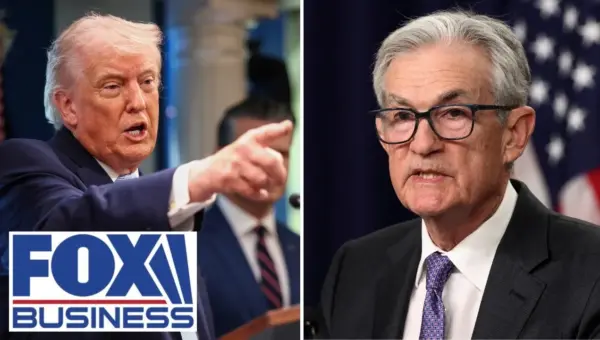
The Federal Reserve is facing scrutiny over its alleged noncompliance with Justice Department subpoenas. Legal analysts suggest this defiance could provide grounds for Chairman Jerome Powell's dismissal. The situation raises questions about the Fed's adherence to executive branch rules and its independence.

McCormick Backs Warsh for Fed Role, Eyes Iran Sanctions
Senator Dave McCormick strongly backs Kevin Warsh's nomination for the Federal Reserve, praising his reformist approach and deep market experience. Warsh's potential tenure could bring significant changes to the Fed's monetary policy strategies. The conversation also touched upon the ongoing economic blockade against Iran and the extension of a ceasefire.