Congress Resignations Spark Accountability Debate
Two members of Congress are planning to resign amidst allegations, sparking debate on accountability and workplace culture. While political consequences are immediate, legal investigations into sexual assault claims are expected to unfold slowly. Efforts to reform reporting systems and address a "predatory environment" are highlighted as crucial next steps.

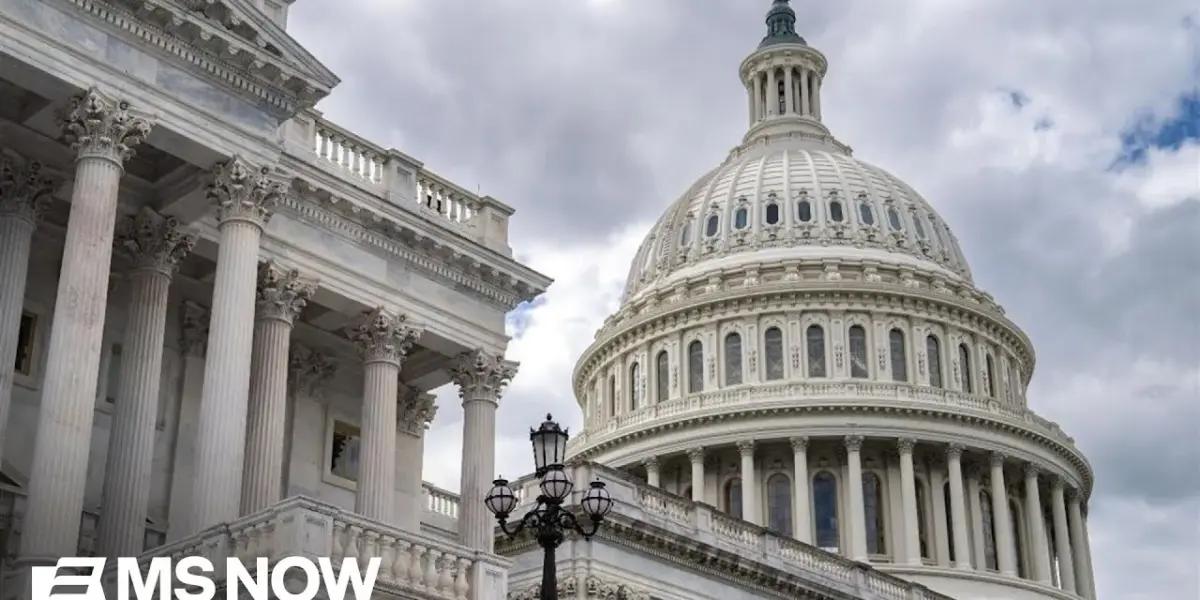
Key Figures Resign Amidst Allegations
Two members of Congress, Representative Eric Swalwell and Representative Tony Gonzales, are planning to resign from their positions. This move comes as Swalwell faced an expulsion vote and both were embroiled in separate controversies. While the immediate political impact is seen as minor, especially since both are expected to leave around the same time, the situation raises significant questions about accountability and the culture within Capitol Hill.
Calls for Justice and Legal Action
For survivors of allegations against Swalwell, his planned resignation is viewed as a crucial first step toward accountability. The focus now shifts to whether district attorneys in Manhattan and California will pursue criminal charges based on the claims. Legal experts suggest that more recent allegations might be easier to prosecute, and resignation does not erase potential criminal liability. The FBI has also requested Swalwell to participate in an interview as investigations continue.
Bipartisan Agreement on Resignation
In a rare moment of unity, House Speaker Mike Johnson and Democratic Leader Hakeem Jeffries both agreed that the resignations were the appropriate course of action. Both leaders stated that the allegations and the admitted facts warranted their departure. This consensus highlights the seriousness with which the matter is being treated across the aisle, at least concerning the immediate outcome.
“I do. I mean, the, um, you know, my My views have been made known about, uh, the terrible allegations that were made and obviously the facts that they both admitted to. And I think it was the appropriate thing.”
– House Speaker Mike Johnson
“Yes. The appropriate thing.”
– Democratic Leader Hakeem Jeffries
Reforming the System: A Decade of Effort
A former congresswoman, speaking anonymously, shared her heartbreak that women did not feel safe reporting misconduct within the existing system. She recalled her own efforts nearly a decade ago with a Republican colleague, Congressman Bradley Byrne, to overhaul the reporting process. The original system was seen as heavily favoring perpetrators, with mandatory cooling-off periods, required counseling for accusers, and non-disclosure agreements paid for by taxpayers.
The reforms aimed to create a safer environment. Under the new structure, victims are represented by counsel paid for by Congress, and they are not subject to mandatory mediation or non-disclosure agreements. Settlements are to be paid by the member, through wage garnishment or other financial means. Despite these changes, the fact that women still felt unable to come forward is deeply troubling, prompting a call for a thorough investigation into why reporting remains difficult.
A “Predatory Environment” in Congress
The former congresswoman described Congress as a “very predatory environment” where individuals can become empowered, entitled, and feel untouchable. She noted that rumors about certain members’ behavior, including Congressman Swalwell’s, circulated widely, yet action was not taken. The situation with Congressman Gonzales, involving an affair with a staffer who later died by suicide, also raised questions about why he was allowed to remain in office.
This situation is contrasted with the private sector, where similar issues often lead to immediate termination. An opinion piece in The New York Times was cited, describing a culture of “turning a blind eye” within Washington that helps keep chamber secrets hidden until they become public liabilities.
The Pervasiveness of Workplace Harassment
The sentiment that this atmosphere is pervasive in Congress was echoed by others. It’s suggested that this culture extends beyond Capitol Hill, with women in various workplaces often warning each other about potentially problematic colleagues. This informal network aims to help women avoid harassment or worse.
However, there is concern about the online narrative suggesting that “everyone knew” about the extent of Swalwell’s alleged misconduct. Many who have spoken out claim they were unaware of the gravity of the sexual assault allegations. While rumors about members engaging in affairs or drinking with much younger staff are common and part of the congressional culture, the specific details of serious allegations were not widely known.
The Slow Pace of Criminal Justice
While the political fallout and resignations happen quickly, the legal process is expected to be much slower. District attorneys are investigating allegations, including a specific claim of sexual assault in a New York City hotel room. To build a criminal case, prosecutors need to gather evidence, establish jurisdiction, and examine issues of consent. This involves scrutinizing details like text messages, photos, and witness accounts, which can take months.
A key legal consideration is the definition of incapacitation. While being intoxicated may not qualify under New York law, being drugged without consent could. Evidence such as a victim’s ability to send texts or have conversations, or the presence of cameras, will be crucial in proving such cases. This contrasts sharply with the rapid political developments.
Beyond the Law: Changing the Culture
There is a call for measures beyond legal recourse to change the culture within Congress. This includes clarifying that a sexual relationship with someone in one’s office constitutes sexual harassment. Additionally, creating secure, private platforms where individuals can report assaults and find solidarity with others who have had similar experiences could empower more people to come forward.
The existence of such reporting systems on college campuses and in the military is noted. Furthermore, the issue extends to lobbyists and other individuals who work in Washington but are not members of Congress, many of whom also face harassment with limited avenues for reporting. Addressing these systemic issues requires serious attention from lawmakers to improve safety and accountability.
Source: 'Very predatory environment': Fmr. Congresswoman shares her experience (YouTube)

Related Articles

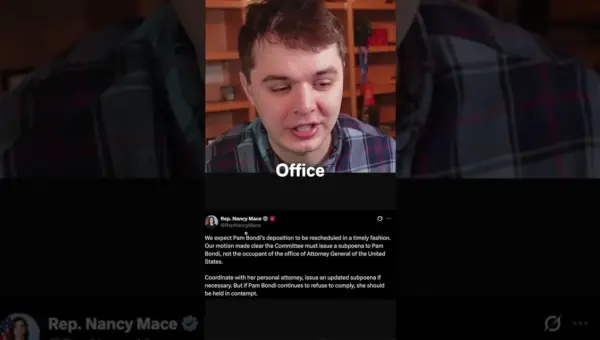
Bondi Dodges Subpoena: Contempt Looms for Trump Ally
Pam Bondi has evaded a bipartisan congressional subpoena, prompting threats of contempt from lawmakers. This move sparks debate on accountability for former officials and the strength of congressional oversight powers. The situation underscores a push for transparency, regardless of political affiliation.

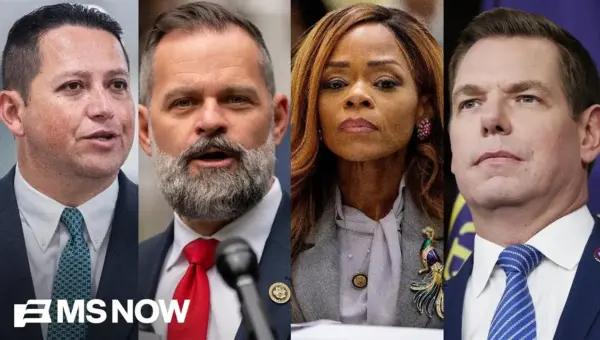
Two Lawmakers Resign, Two More Face Expulsion in Congress Shake-Up
Two U.S. Representatives have announced resignations amid misconduct allegations, while two others face potential expulsion. The House reconvenes with uncertainty surrounding the effective dates of resignations and the outcomes of ongoing ethics probes. New accusers and criminal investigations add further complexity to the unfolding situation on Capitol Hill.

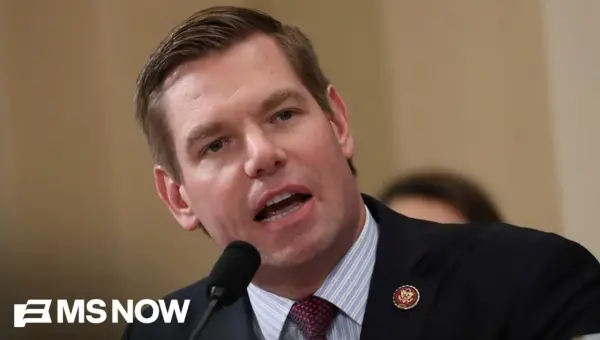
Congressmen Resign Amidst Scandal, Ethics Probes Halt
U.S. Representatives Eric Swalwell and George Santos have resigned from Congress amidst serious allegations and mounting pressure. Their departures halt ongoing ethics investigations, though potential future probes loom if they seek public office again. The swift exits highlight calls for accountability and the impact of rigorous reporting on political careers.