Iran Attacks Ships in Strait of Hormuz Amid Ceasefire Concerns
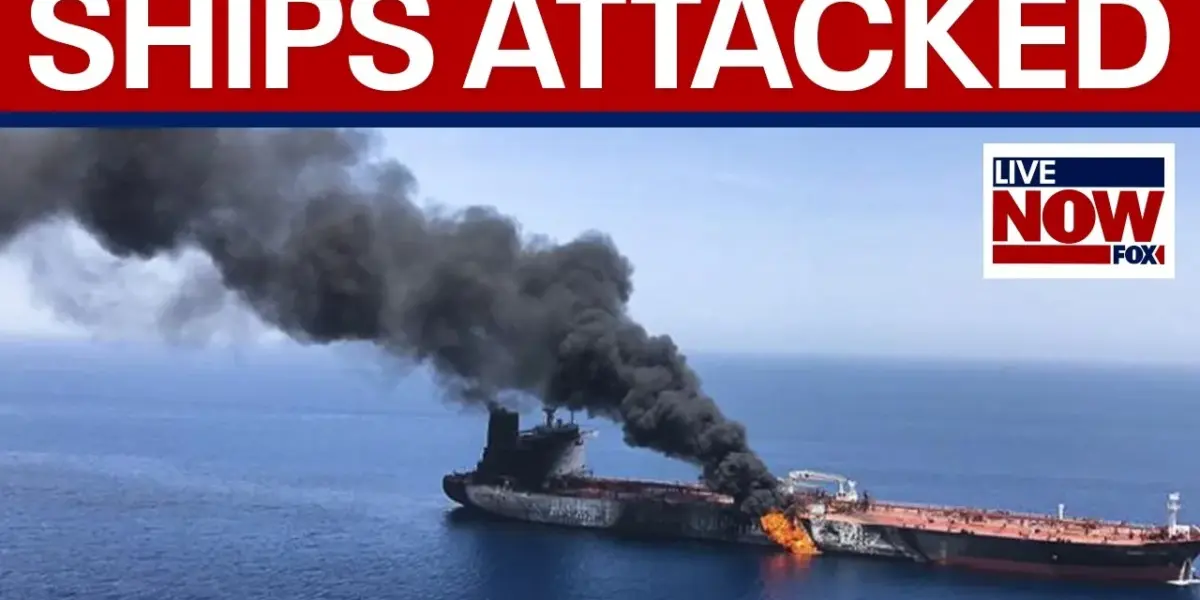
At least two ships have been attacked in the Strait of Hormuz, a critical shipping lane, raising new questions about ongoing efforts to de-escalate tensions. Iran's paramilitary Revolutionary Guard has reportedly attacked a third vessel. This news comes as a ceasefire between the US and Iran was extended, creating a confusing picture of the current situation.

Ships Attacked in Key Waterway
At least two ships have been attacked in the Strait of Hormuz, a critical shipping lane, raising new questions about ongoing efforts to de-escalate tensions. Iran’s paramilitary Revolutionary Guard has reportedly attacked a third vessel in the area. This news comes as a ceasefire between the US and Iran was extended, creating a confusing picture of the current situation.
Details of the Attacks Emerge
Iranian state media reported that the Revolutionary Guard attacked a vessel named the ‘Euphoria,’ stating it had become stranded near the Iranian coast. The Guard has since taken control of two other ships that were previously attacked. This action has led to concerns about the stability of the region and the effectiveness of the ceasefire.
US Forces Intercept Tanker
In a separate development, U.S. forces boarded an oil tanker. This tanker was previously flagged for illegally transporting Iranian crude oil in Asia. The Pentagon confirmed the action, marking the second time U.S. military forces have intercepted a vessel linked to Iran’s oil smuggling activities.
Iran Denounces US Actions
Iran’s Foreign Minister strongly criticized the U.S. actions. He called the U.S. blockade a violation of the ceasefire agreement. He also stated that attacking a commercial vessel and taking its crew hostage is an even more serious breach.
“Striking a commercial vessel and taking its crew hostage is an even greater violation.”
Iran’s Foreign Minister
Expert Analysis on the Conflict
Matthew Whiz, a retired Navy fighter pilot and founder of the No Fallen Heroes Foundation, offered his perspective on the situation. He noted that in the final stages of any conflict, there is often confusion as some parties wish to fight while others seek to surrender. Whiz suggested that the leadership in both the U.S. and Iran might not be communicating with the right people.
He explained that this can happen when the top leadership is removed. Diplomats often seek negotiation and compromise, while groups like Iran’s Revolutionary Guard Corps (IRGC) may be more hardline.
Whiz believes the IRGC members are in a difficult position. They face the possibility of being killed in conflict or facing severe consequences from their own people if Iran loses.
Strategic Implications and Military Readiness
The U.S. military, according to Whiz, has used the time of the ceasefire to rearm and perform necessary maintenance on its aircraft. He stated that the U.S. Navy is prepared to act at a moment’s notice.
Surface ships have already performed their designed roles, enforcing blockades and disabling vessels. U.S. Marines have also conducted operations, including boarding tankers.
Whiz compared these military actions to a ‘Super Bowl’ for the Navy and special forces. He emphasized that the U.S. is ready for further action if needed. He expressed hope that hostilities would cease and peace would be found.
Viewer Questions Address Concerns
During a discussion, viewer questions were addressed. One question asked why the U.S. couldn’t allow ships to pass the strait while keeping Iranian ships back. Whiz explained that the U.S. had implemented a ‘reverse blockade’ about a week prior, allowing only ships friendly to the U.S. to pass and seizing those supporting Iran.
Another question concerned the possibility of Iran planting mines in the water. Whiz stated that while diplomats might not know for sure, military sources likely do.
He acknowledged that a small number of mines may have been placed, but specialized U.S. Navy teams are equipped to find and disarm them. He concluded that the U.S. has the capability to handle such threats.
Looking Ahead
The situation in the Strait of Hormuz remains tense. The attacks on shipping, despite a ceasefire extension, highlight the complex and volatile nature of the region. Future developments will likely depend on diplomatic efforts and the actions of both Iranian and U.S. forces.
Source: At least 2 ships attacked in Strait of Hormuz amid US-Iran ceasefire extension (YouTube)

Related Articles


Trump Extends Iran Ceasefire Amid Strait of Hormuz Clashes
President Trump has extended the ceasefire with Iran, but tensions remain high in the Strait of Hormuz following attacks on cargo ships. Meanwhile, a Federal Reserve nominee faces scrutiny on Capitol Hill, and voters in Virginia have approved a new congressional map that could shift the balance of power.


Iran’s Post-Stalin State Fuels Delays: Ex-Diplomat Explains
A former Iranian diplomat likens Iran's current state to the post-Stalin Soviet Union, explaining the country's slow pace in international talks. Pakistan has emerged as a key mediator due to its unique geopolitical position. The internal damage and shifting nationalistic sentiments are reshaping priorities, with survival and economic stability taking precedence over regime change or human rights for many Iranians.

Iran Talks Stall as Trump’s Rhetoric Hinders Peace Efforts
Iran has refused to join upcoming peace talks with the US, citing President Trump's "victory lap" rhetoric as a major obstacle. Despite an extended ceasefire, the US blockade of Iranian ports continues, further complicating diplomatic efforts. Both nations are currently claiming victory, creating a stalemate that impacts global stability and Iran's struggling economy.