ICC Faces Global Pressure as Arrest Warrants Go Unmet
The International Criminal Court is under increasing pressure as several nations refuse to enforce its arrest warrants, impacting its ability to deliver justice. Despite facing criticism and withdrawal threats, the ICC continues to pursue accountability for alleged war crimes and crimes against humanity, as seen in the case of former Philippine President Rodrigo Duterte.


ICC Faces Global Pressure as Arrest Warrants Go Unmet
The International Criminal Court (ICC) is facing significant challenges in enforcing its arrest warrants, raising questions about its effectiveness in delivering international justice. Two current heads of state, along with over 30 other defendants at large, remain outside of custody despite facing accusations of war crimes and crimes against humanity. This situation highlights a critical dependency on national governments for arrests, a system that has faltered in recent times.
Reliance on National Governments Proves Difficult
The ICC, the world’s sole permanent court for prosecuting genocide, war crimes, and crimes against humanity, lacks its own police force. It relies entirely on member states to apprehend individuals for whom arrest warrants have been issued.
This reliance was starkly demonstrated last year when several countries, including Hungary, Germany, Poland, and France, indicated they would not arrest Israeli Prime Minister Benjamin Netanyahu, despite legal obligations under the Rome Statute, the treaty establishing the ICC. Such actions undermine the court’s authority and send a message that indicted individuals can travel freely without fear of apprehension.
Criticism and Withdrawal Threats from African Nations
For years, the ICC has faced strong criticism from African nations. Many argued that the court disproportionately targeted the continent, with a majority of indicted individuals being African.
In response to these concerns and other pressures, countries like Burkina Faso, Mali, and Niger announced plans to withdraw from the Rome Statute. These moves signal growing dissatisfaction with the court’s operations and reach.
Opposition from Non-Member States
Powerful non-member states, including the United States and Russia, have also exerted pressure on the ICC. Both nations have imposed sanctions and, in some instances, issued arrest warrants against ICC staff.
According to Michelle Coleman, these actions might suggest a level of fear from these countries regarding potential investigations into their own actions or liabilities. If they were not concerned about their own potential accountability, they might not resort to such measures against the court.
A Glimmer of Hope: The Duterte Case
Despite these widespread challenges, the ICC has shown resilience in pursuing justice. The case against former Philippine President Rodrigo Duterte offers a notable example. Duterte was arrested by Filipino police shortly after the ICC issued a warrant in 2025.
The court is currently prosecuting him for alleged crimes against humanity during his administration’s war on drugs. This case demonstrates that justice can extend to leaders, holding them accountable for their actions.
Victims’ Rights and the ICC’s Unique Role
The ICC plays a key role in providing a path to justice for victims of the most heinous crimes worldwide. It is unique in its ability to allow victims to participate in proceedings and share their experiences.
This aspect of the court’s work is vital for acknowledging suffering and seeking accountability. However, for victims to truly find justice, indicted individuals must be apprehended and brought before the court.
Looking Ahead: The Fight for Enforcement
Amnesty International urges governments to actively support and protect the ICC amidst these trying times. The court’s ability to function effectively hinges on the cooperation of its member states.
The coming months will be critical in observing whether nations recommit to upholding the Rome Statute and ensuring that arrest warrants are honored. The upcoming ICC Assembly of States Parties will be a key event to watch for policy shifts and renewed commitments.
Source: The ICC: Undermined and under pressure? | DW News (YouTube)

Related Articles
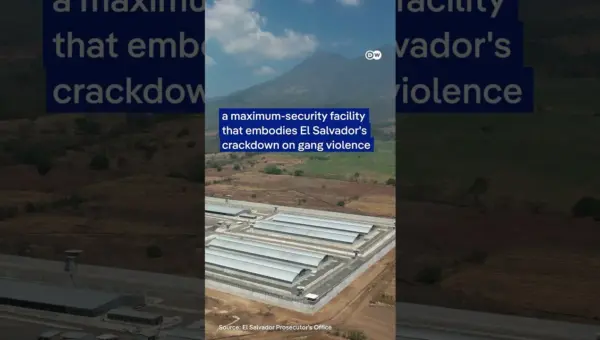
El Salvador Tries 700 Alleged Gang Members in Mass Court Hearing
El Salvador has initiated a massive trial involving over 700 individuals accused of MS-13 gang membership. The proceedings are being conducted under a state of emergency, raising concerns from human rights groups about due process. This large-scale effort marks a significant escalation in the government's campaign to combat gang violence.


Europe’s Credibility at Risk Over Israel Stance, Spain Argues
Spain is urging the European Union to suspend its association agreement with Israel, arguing that Europe's global credibility is at risk. The Spanish government believes Israel's actions violate international law and that the EU must apply the same standards it does to other nations, like Russia. While some allies have shifted, Germany's opposition currently prevents a united EU stance.
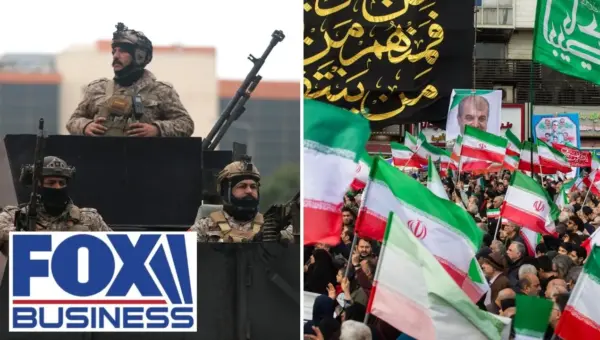
Iran Regime Faces Financial Squeeze, Experts Warn
Experts are calling for a comprehensive financial squeeze on the Iranian regime, targeting its offshore banking assets and global businesses. This strategy aims to cripple the regime's ability to fund its operations amid widespread human rights abuses and brutal crackdowns on protests. The economic pressure is seen as a critical tool to counter the regime's actions.