mRNA Cancer Vaccines Offer New Hope for Patients
Scientists are making exciting progress with mRNA technology for cancer treatment, offering personalized vaccines that train the immune system to fight tumors. Early trials show promise, especially for hard-to-treat cancers like pancreatic cancer, with some patients achieving long-term remission. While challenges in cost and production time exist, this approach holds significant hope for the future of cancer care.

mRNA Cancer Vaccines Offer New Hope for Patients
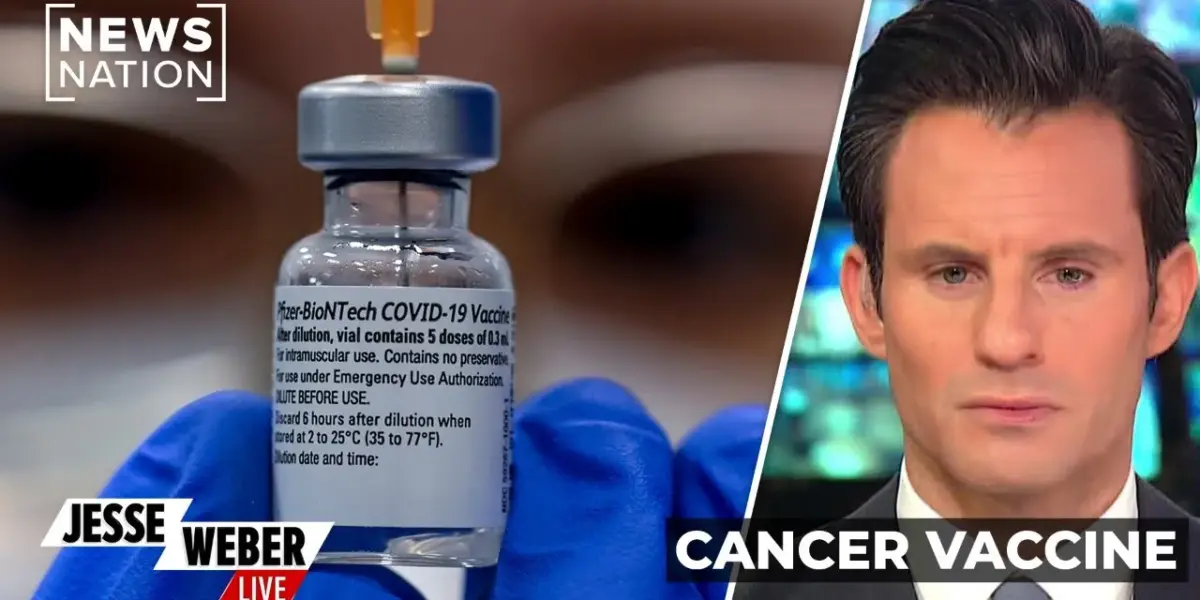
Scientists are seeing exciting progress with messenger RNA (mRNA) technology, the same science behind COVID-19 vaccines. This technology could soon offer new ways to fight cancer. It works by teaching our immune systems to recognize and attack cancer cells, much like it fights off infections.
MRNA acts like a set of instructions for our cells. Our DNA contains the master plan, but mRNA carries specific messages to build proteins.
These proteins are the building blocks of our bodies. By creating special mRNA instructions, scientists can tell the immune system to target harmful cells.
Personalized Cancer Fighting
This approach is particularly promising for difficult-to-treat cancers like pancreatic cancer. Pancreatic cancer cells often look very normal to our immune system, making them hard to detect and fight.
The mRNA technology can identify unique markers on these cancer cells. It then creates a personalized vaccine to train the immune system to find and destroy them.
Researchers at Memorial Sloan Kettering, working with BioNTech, have seen encouraging results in clinical trials. Some patients have remained in remission for years after receiving these personalized mRNA vaccines. This success offers a beacon of hope for patients with other hard-to-treat cancers, such as brain and colon cancers.
Challenges and the Road Ahead
While the results are promising, bringing these personalized cancer vaccines to market faces hurdles. Unlike the COVID-19 vaccines, which were given to large populations with a single formula, cancer vaccines must be custom-made for each patient. This customization means higher costs and a longer production time.
Currently, creating a personalized vaccine can take several months from profiling a patient’s tumor to having the vaccine ready. Scientists believe they can shorten this time to just a couple of weeks. As the technology improves and speeds up, these vaccines will likely become more widely available and practical for more people.
Funding and Future Availability
Government funding over many years has been crucial in reaching this point. The investment in COVID-19 vaccine development also significantly boosted research in the cancer vaccine field. While the government currently supports therapeutic cancer vaccines, continued support is hoped for.
For now, these personalized mRNA cancer vaccines are available through clinical trials. If trials continue to show positive results and meet their goals, they will move to larger, placebo-controlled studies. Success in these later-stage trials could lead to these innovative treatments becoming widely available options, offering a new weapon against cancer.
Why This Matters
The development of mRNA cancer vaccines represents a significant step forward in oncology. For decades, cancer treatment has relied heavily on surgery, chemotherapy, and radiation. These methods can be effective but often come with severe side effects and may not work for all types of cancer.
MRNA technology offers a more targeted approach. By harnessing the body’s own immune system, these vaccines aim to fight cancer with potentially fewer side effects.
The personalized nature of these vaccines means they can be tailored to the specific genetic makeup of a patient’s tumor. This precision medicine approach could lead to better outcomes and longer survival rates.
Historical Context and Trends
The concept of using vaccines to prevent or treat cancer is not new. Early attempts faced many challenges, including understanding how cancer evades the immune system. The breakthrough in mRNA technology, accelerated by the COVID-19 pandemic, has provided a powerful new tool.
This technology allows for rapid development and adaptation. Scientists can quickly design mRNA sequences to target new cancer mutations or personalize treatments. This flexibility is a major advantage over traditional vaccine development, which can take many years.
Implications and Future Outlook
The success in pancreatic cancer trials could enable similar treatments for many other cancers. Researchers are hopeful that this technology can be applied to lung, breast, and other forms of the disease. The ability to create custom vaccines means that even rare or aggressive cancers might one day be treatable with this method.
As the technology matures and production challenges are overcome, we could see a shift in how cancer is treated. Personalized mRNA vaccines might become a standard part of cancer care, used alongside or even instead of current therapies. The ongoing research and clinical trials are crucial for making this future a reality.
The next steps involve completing larger clinical trials to confirm the safety and effectiveness of these vaccines. If successful, regulatory approval could follow, making these advanced treatments accessible to patients worldwide.
Source: Cancer researchers seeing promise for mRNA vaccine | Jesse Weber Live (YouTube)

Related Articles


Pancreatic Cancer Vaccine Shows Promise in Early Trials
A new experimental mRNA vaccine, personalized for each patient's tumor, is showing significant promise in early trials for pancreatic cancer. Donna Guffkasen, a trial participant, has been cancer-free for six years thanks to the treatment. Researchers hope this breakthrough could lead to new ways to fight the notoriously difficult disease.


Golden Bachelorette Joan Vassos Finds Love After Heartbreaking Loss
Golden Bachelorette Joan Vassos shares her journey of losing her husband to pancreatic cancer and finding love again. She highlights the challenges of grief, the importance of early symptom awareness for the disease, and her mission to honor her late husband through advocacy.
Home Chemotherapy Offers New Hope for Patients
A new study from the Mayo Clinic suggests chemotherapy could be safely administered at home, reducing physical, emotional, and financial burdens for patients. This approach leverages telehealth and home nursing to bring vital treatments closer to patients, potentially reshaping cancer care delivery worldwide.