MAGA’s Mugshot Defense Crumples Under Scrutiny
Supporters of Donald Trump's defense against legal actions often falter, with arguments about his mugshot inadvertently admitting government politicization. The debate highlights contrasting claims about the Biden administration's use of the DOJ, questioning fairness and accountability.

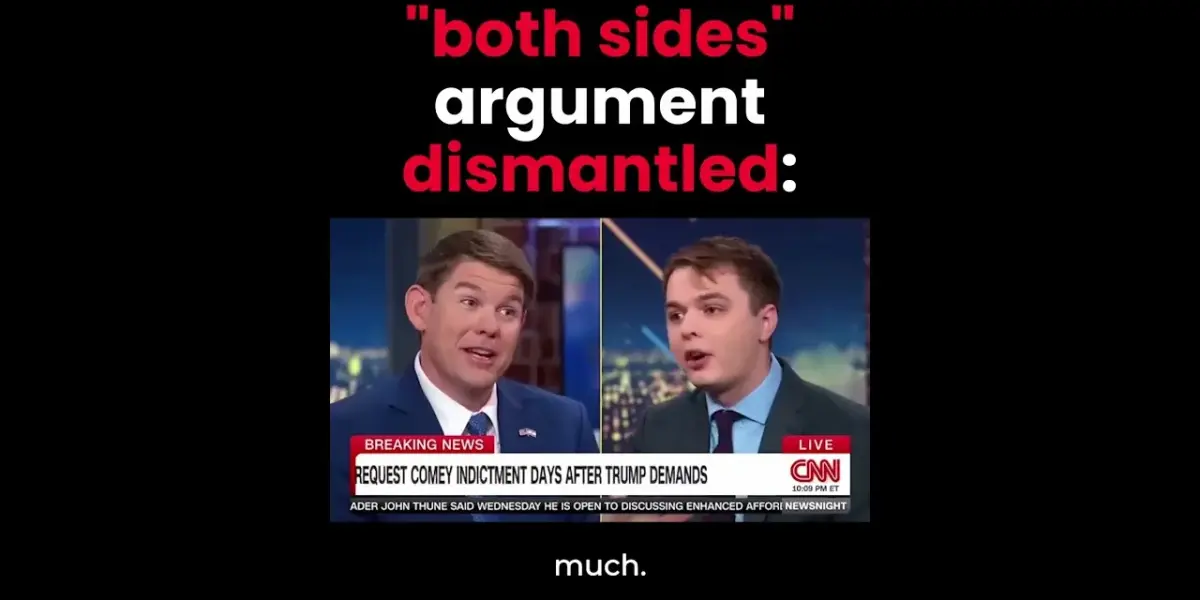
MAGA’s Mugshot Defense Crumples Under Scrutiny
A recent discussion highlights how supporters of former President Donald Trump struggle to defend his actions, often resorting to weak arguments that actually concede their opponent’s points. The conversation centers on the politicization of government actions, particularly concerning the Department of Justice (DOJ) and the FBI. One side claims the legal actions against Trump are a ‘witch hunt’ and points to his mugshot as proof of political persecution.
However, this defense quickly falls apart. The opposing viewpoint points out that by invoking Trump’s mugshot as evidence of political targeting, supporters are essentially admitting that the government is being used for political purposes. This is a significant admission that undermines their own argument, suggesting a deeper problem than they want to acknowledge.
The Biden Administration’s DOJ: A Different Standard?
A key point of contention is whether President Biden has used the DOJ for political attacks, similar to the claims made about actions against Trump. The argument is made that there’s no public evidence, like tweets, showing Biden directing his Attorney General to go after specific individuals. This lack of direct presidential command is presented as a stark contrast to the accusations leveled against Trump’s administration.
Those pushing the ‘both sides’ narrative are accused of trying to equate vastly different situations. They are told that pointing to Trump’s mugshot doesn’t prove Biden is weaponizing the DOJ. The absence of a presidential directive from Biden to target specific people is seen as a critical difference, suggesting a less politically motivated approach by the current administration.
Voter Mandate and Investigations
The discussion touches on why people might be frustrated with law enforcement agencies like the FBI. One perspective suggests that Americans voted for the current situation because they were tired of what they saw as a ‘radical FBI’ that targeted certain individuals unfairly. This implies a public sentiment that has led to the current political climate.
A hypothetical scenario is then presented: Would Donald Trump Jr. ever be investigated by someone like Pam Bondi if he committed a crime? The answer given is a firm ‘absolutely not,’ implying that political connections and family ties would shield him from investigation. This is contrasted with the ongoing investigation of Hunter Biden during his father’s presidency, suggesting a different standard is applied.
The ‘Biden Crime Family’ Narrative
The conversation briefly touches on the ‘Biden crime family’ label. While one participant believes Donald Trump Jr. would be investigated if he committed a crime, another strongly disagrees. This disagreement highlights the deep divisions and differing perceptions of justice and accountability when it comes to political families.
Why This Matters
This debate is crucial because it gets to the heart of public trust in government institutions. When citizens believe that legal and law enforcement systems are being used for political gain, it erodes faith in democracy itself. The ability to distinguish between legitimate investigations and politically motivated attacks is essential for a healthy society.
The way political figures and their supporters frame these issues shapes public opinion. If arguments rely on deflecting blame or making weak comparisons, it can obscure the real questions about fairness and the rule of law. Understanding these tactics helps us analyze political discourse more critically.
Implications and Future Outlook
The trend of accusing political opponents of weaponizing government institutions is likely to continue. As elections approach, we can expect more rhetoric focused on perceived injustices and unfair targeting. This can make it harder for the public to discern objective truth from partisan spin.
Moving forward, it will be important to see if there’s a greater emphasis on transparency and clear evidence when these accusations are made. The public’s ability to access information and understand the processes behind investigations will play a key role in maintaining trust. Without this, the cycle of accusations and counter-accusations will likely persist.
Historical Context
The idea of government agencies being used for political purposes is not new. Throughout history, various administrations have faced accusations of influencing investigations for political advantage. This has often led to public outcry and demands for reform, highlighting the ongoing tension between political power and impartial justice.
The current level of public discourse, amplified by social media, makes these debates more visible and intense than ever before. Every accusation, whether founded or not, can quickly spread and influence public perception, making objective analysis more challenging.
The next steps in any ongoing investigations will be closely watched. Public statements from legal bodies and official responses to allegations will be critical in shaping the narrative. The public’s reaction to these developments will reveal much about their trust in the system.
Source: MAGA Can't Defend Trump 🤦♂️ (YouTube)

Related Articles

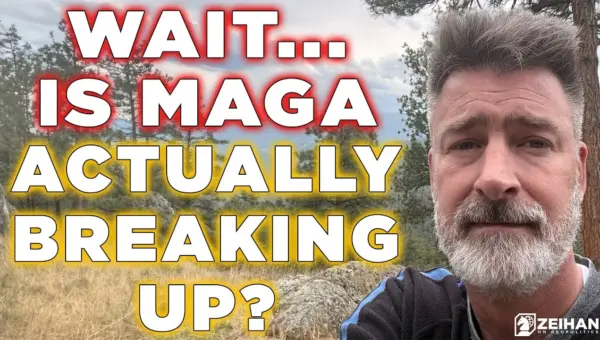
Kremlin Exploits MAGA Rift to Destabilize U.S.
Prominent MAGA figures have simultaneously launched harsh criticisms against Donald Trump, a move analysts suggest is a coordinated Russian effort to destabilize the U.S. political system. This strategy aims to fracture the influential MAGA movement, weakening America's global standing.
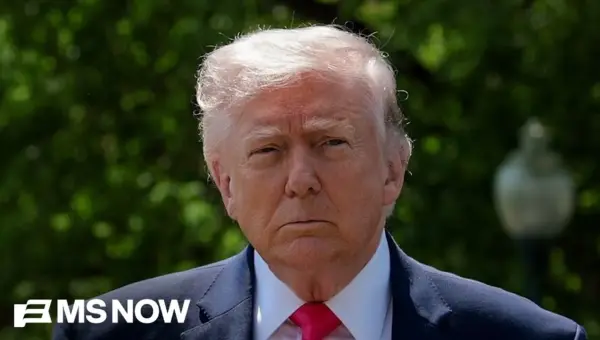
Trump Renews Threats on Iran Amid Peace Talks Confusion
President Trump is renewing threats against Iran's energy infrastructure amidst confusion over upcoming peace talks. Conflicting reports about Vice President Pence's attendance and President Trump's varied public messages are creating uncertainty. Experts suggest Iran's struggling economy provides incentives for a deal, but significant military capabilities remain.

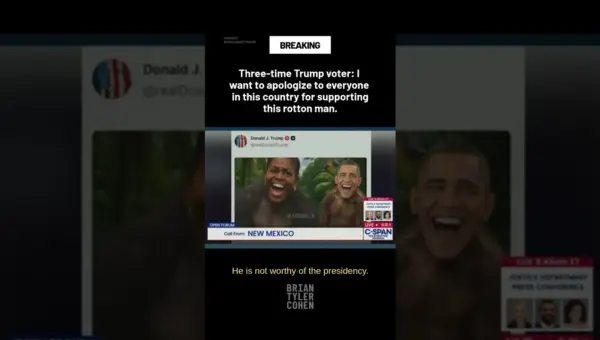
GOP Voter’s Painful Apology Reveals Deep Disillusionment
A registered Republican voter expresses deep regret and apologizes for supporting Donald Trump. The voter cites concerns over lies, alleged bribery, racism, and harmful immigration policies. Economic promises in New Mexico have also failed to materialize, fueling disillusionment.