Fed Chair Change Signals New Debt Strategy
A change in Federal Reserve leadership on May 15th, 2026, signals a potential shift towards historical 'financial repression' strategies to manage the U.S.'s $39 trillion debt. Incoming Chair Kevin Worsh's plans may involve lower interest rates and AI-driven efficiency gains, impacting savers and investors differently.

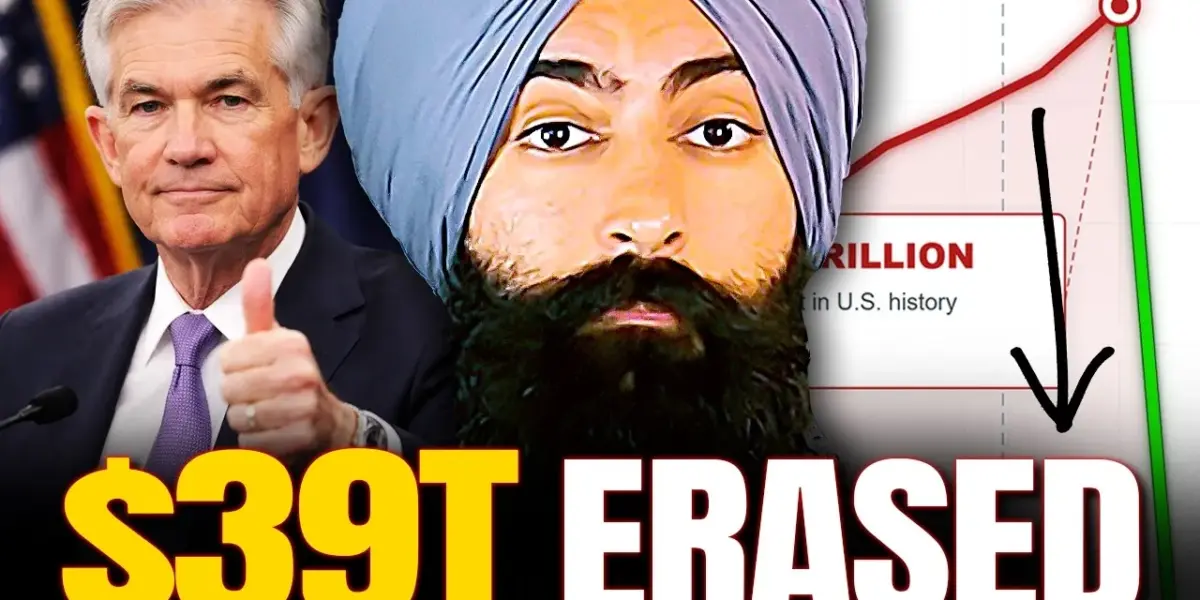
Fed Shake-Up Signals Shift in U.S. Debt Approach
A significant leadership change at the Federal Reserve Bank on May 15th, 2026, is poised to usher in a new strategy for tackling the nation’s $39 trillion debt crisis. The incoming chairman, Kevin Worsh, is expected to pursue policies that differ sharply from his predecessor, Jerome Powell, potentially reshaping the economic landscape.
Understanding the Federal Reserve’s Role
The Federal Reserve Bank, often called the Fed, acts as the central bank of the United States. It’s important to understand that despite its name, it is not a traditional bank where individuals can deposit money, nor is it a federal agency directly controlled by the government. This independence means the President cannot simply order the Fed to change its policies, a point that became evident when President Trump publicly disagreed with former Fed Chair Jerome Powell’s stance on interest rates.
Leadership Transition and Policy Divergence
Jerome Powell’s term as Fed Chair is set to expire on May 15th, 2026. This expiration allows President Trump to appoint a new chairman, with Kevin Worsh reportedly being the chosen successor. Worsh is anticipated to bring a different economic philosophy to the role, one that may align more closely with the administration’s goals, such as lower interest rates and potential economic stimulus measures.
The Growing U.S. Debt Burden
The United States faces a substantial national debt, exceeding $39 trillion. A critical aspect of this debt is the rapidly increasing cost of interest payments.
These payments now consume over $1 trillion annually, diverting tax dollars away from public services and into servicing past debts. This trend puts immense pressure on government finances.
Historical Precedent: Financial Repression
Throughout history, governments have employed various strategies to manage large debts. One such strategy, observed in the U.S. after World War II, is known as financial repression. This approach aims to reduce the real burden of debt without necessarily paying it off.
Financial Repression Explained
Financial repression involves a two-pronged strategy. First, the Federal Reserve keeps interest rates artificially low, often below the rate of inflation.
Second, the government encourages or effectively compels institutions like banks and pension funds to invest in government bonds, even at low yields. This was achieved through regulations that made it unattractive to hold cash or other assets that didn’t support government borrowing.
Post-WWII Debt Reduction
Following World War II, the U.S. had a debt-to-GDP ratio of 106%. Through financial repression, interest rates were kept low while inflation was higher.
This meant that the real cost of borrowing for the government was minimal, allowing the economy to grow faster than the debt. By 1974, the debt-to-GDP ratio had fallen to about 25%, even though the absolute amount of debt had increased.
The Current Debt-to-GDP Ratio
In contrast to the post-war era, the U.S. debt-to-GDP ratio reached approximately 125% by 2025. This elevated ratio is a significant concern, highlighting the severity of the current debt crisis compared to historical periods.
Kevin Worsh’s Proposed Three-Point Plan
Kevin Worsh has outlined a plan centered on three key objectives:
1. Interest Rate Cuts
Worsh aims to lower interest rates. This aligns with President Trump’s desire for the U.S. to have among the lowest interest rates globally. Lower rates would reduce the cost of servicing the national debt, especially given the prevalence of short-term government borrowing, which acts like an adjustable-rate mortgage on the debt.
2. Shrinking the Fed’s Balance Sheet
The Fed holds assets, including U.S. Treasury bonds, which represent loans to the government. Worsh intends to sell off some of these assets.
This action is intended to remove money from the economy, potentially curbing inflation. However, selling bonds can also lead to higher interest rates if private demand doesn’t compensate for the Fed’s reduced buying activity.
3. The Role of Artificial Intelligence (AI)
Worsh believes that advancements in AI will help manage inflation. He suggests that AI can increase productivity and lower business costs, thereby mitigating inflationary pressures even if interest rates are cut. This outlook relies on AI’s potential to boost economic efficiency.
Market Impact and Investor Considerations
The potential implementation of financial repression and interest rate adjustments carries significant implications for investors. Historically, periods of financial repression have been unfavorable for savers, as low interest rates combined with inflation erode the purchasing power of cash. Conversely, asset holders have often benefited as inflation can drive up the value of investments like stocks and real estate.
Navigating Investment Opportunities
With a projected shift towards lower interest rates and potential inflation, investors may need to consider strategies beyond simply saving cash. Owning assets that can potentially outpace inflation, such as stocks, real estate, or other investments, could become increasingly important. The long-term trend suggests that asset prices have historically risen over time, despite market fluctuations and economic downturns.
Looking Ahead
The coming months, particularly around May 15th, 2026, will be crucial in observing the Federal Reserve’s policy direction. The effectiveness of Worsh’s proposed strategies in managing the national debt without triggering significant inflation or harming savers will be closely watched by markets and policymakers alike.
Source: The New Fed Chair's Plan to Cancel America's $39T Debt Crisis (YouTube)

Related Articles

Commercial Real Estate Faces Major Reset
The commercial real estate market is undergoing a major reset due to high interest rates and oversupply in certain sectors. This creates opportunities for experienced investors who can acquire distressed assets from struggling owners and lenders. Building a capable team is crucial for success in this evolving landscape.

Trump’s ‘No Tax on Tips’ Policy Born from Waitress’s Plea
A waitress's simple plea to not tax her tips inspired a popular policy that continues to benefit working Americans. Stephen Moore highlights this and other tax measures, alongside strong market fundamentals and potentially falling gas prices, as key drivers of economic strength. Meanwhile, a nomination for the Federal Reserve faces partisan opposition.

Trump’s Revenge Plot Backfires, Threatens Fed Pick
Donald Trump's continued pursuit of a defunct criminal probe against Fed Chair Jay Powell is backfiring, jeopardizing his own nominee for Fed chair. Senator Tom Tillis has vowed to block the confirmation until the baseless investigation is resolved, creating a significant hurdle for Trump's agenda. This situation underscores concerns about political interference in independent institutions.