Toyota Land Cruiser 100 Series: The Undervalued Legend
The Toyota Land Cruiser 100 series (1998-2007) is an often-overlooked gem offering incredible durability and value. Despite its V8 engine and independent front suspension, it retains legendary Land Cruiser capability. With average prices around $17,000, it's a robust vehicle built to last generations, though potential buyers should watch for rust and high fuel consumption.

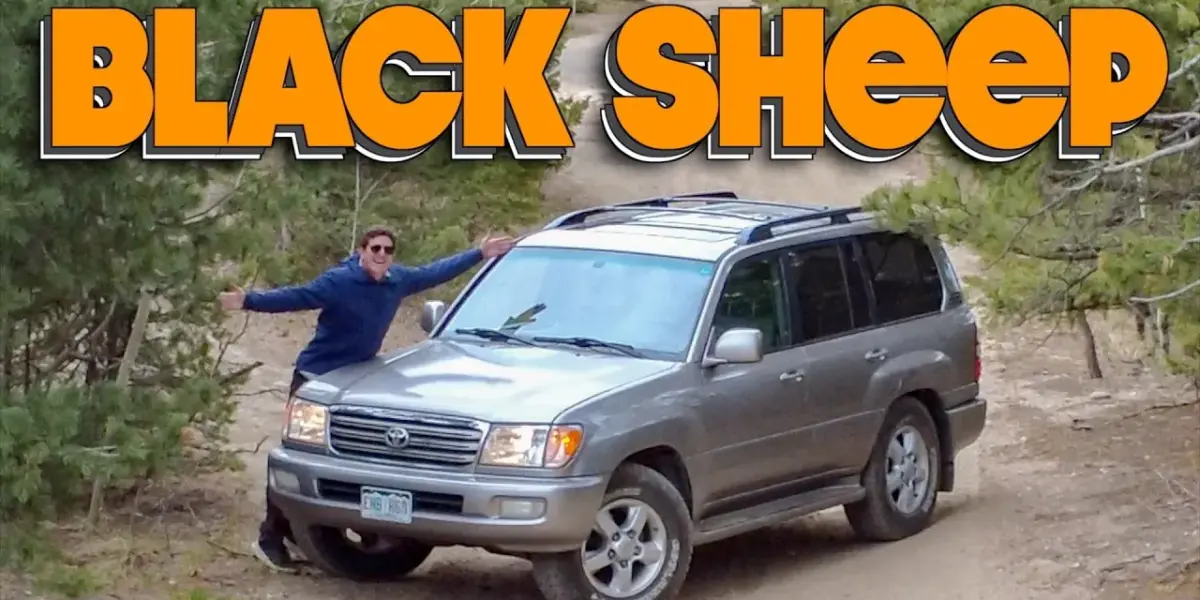
Toyota Land Cruiser 100 Series: The Undervalued Legend
The Toyota Land Cruiser is a legend for a reason. It means adventure, toughness, and reliability. It gets you anywhere you need to go, safely.
While older models like the FJ40 and the 80 series get all the glory, the 100 series, made from 1998 to 2007, is often overlooked. This might be why it’s actually one of the best Land Cruisers you can buy today, offering incredible value.
Why the 100 Series is Different
The 100 series marked a big change for the Land Cruiser. It replaced the 80 series, which was the last to have a solid front axle and a simple inline-six engine. The 100 series was the first Land Cruiser offered with a V8 engine and independent front suspension.
It also gained more luxury features inside. Some hardcore fans felt these changes moved it away from the Land Cruiser’s rugged roots. However, these updates make it a great vehicle for daily driving and off-roading even today.
What to Expect to Pay
Finding a 100 series Land Cruiser is easier than you might think. Prices have stayed steady or even gone up slightly since 2019. This means you can buy one without losing a lot of money.
According to data from autotempest.com, the average price for a 1998-2007 Land Cruiser is around $16,979. Later models, from 2004 to 2007, tend to cost a few thousand dollars more. This is because they have more modern features and a smoother design.
On the Road: A Tank with a Smooth Ride
Driving a 100 series Land Cruiser feels like piloting a well-built machine. These vehicles weigh around 5,400 pounds, giving you a sense of invincibility. They were engineered to last for 25 years or more, meaning they are built to be passed down through generations.
While not designed for high speeds, the 4.7-liter V8 engine has enough power to keep up with traffic comfortably. The Land Cruiser finds its happy place at its own steady pace, both on and off-road. It offers confidence, whether you’re heading to a remote trail or just driving around town.
Exterior and Interior Updates
Visually, the 100 series changed over its production run. Early models (1998-2003) have a more angular, blocky look. Later models (2004-2007) feature a more streamlined front end with updated headlights and grille.
Color options are usually limited to silver or champagne, though some interesting green shades exist. A signature feature is the split tailgate, with the top section opening and the bottom folding down, perfect for setting up a campsite.
Inside, the 100 series offers a significant upgrade in comfort and space compared to the 80 series. Even by today’s standards, the interior is well-equipped and feels luxurious. Features like power windows, power door locks, and even a power-adjustable steering wheel were common.
Later models, like the 2005 example discussed, feature a functional touchscreen display for audio and navigation, though it looks dated. Importantly, physical buttons and controls are still present for climate and audio, making them easy to use. The materials used, like the leather and dashboard plastics, are incredibly durable, holding up well even after hundreds of thousands of miles.
Practicality: Third Row and Cargo
Most US-bound 100 series Land Cruisers came with an integrated third-row seat. While a useful feature, it’s not the most practical. Unlike some SUVs where the third row folds flat into the floor, the Land Cruiser’s seats fold up against the sides.
This significantly reduces cargo space. The third-row seats themselves are best suited for small children, as legroom is limited, leading to a ‘knees to chin’ seating position for adults.
Performance and Capability
The 4.7-liter V8 engine is a highlight, known for its longevity. It can easily reach half a million miles with proper maintenance. A crucial maintenance item is the timing belt, which needs replacement every 90,000 miles to prevent catastrophic engine damage.
While the 100 series is capable off-road, it’s a heavy vehicle. It’s not designed for extreme rock crawling, though modifications can improve its performance. Be aware that Land Cruiser parts, especially for modifications, can be significantly more expensive than for other vehicles, often referred to as a ‘cruiser tax’.
Potential Downsides
The most significant concern when buying a used 100 series is rust, especially on models from salty climates. Thoroughly inspect the frame, suspension, and body panels, particularly around wheel arches and the windshield. Another potential issue, though less common, is the front differential, which can fail under extreme off-road stress.
Fuel economy is also a drawback, with most 100 series models achieving only 12-15 MPG. While generally reliable, older electronics can sometimes develop issues, like melting fuse blocks, so checking the fuse box for any amateur wiring is wise.
Which 100 Series Should You Buy?
For most buyers, a later model 100 series (2004-2007) is recommended. These offer a more refined exterior design, a 5-speed automatic transmission for better fuel efficiency, and Toyota’s A-TRAC traction control system, which is very effective. Early models (1998-1999) had a rear differential lock, which some off-road purists prefer, but the trade-off is a 4-speed transmission.
If you want Land Cruiser capability with more luxury, consider the Lexus LX 470. It’s mechanically the same but offers more premium features, though it often comes with an active height control suspension that can add complexity and cost if it needs repair.
The Verdict: A Worthy Investment
The Toyota Land Cruiser 100 series remains a fantastic vehicle. Despite its age, it offers incredible durability and capability. While prices reflect its legendary status, it represents excellent value for a vehicle that can last for decades.
Look for a well-maintained, rust-free example, and you’ll get a reliable daily driver or an adventurous trail rig that can carry your family anywhere. The key is to find one with good maintenance records and minimal structural rust.
If you’re in the market for a used vehicle, check out autotempest.com to find a wide selection of cars and trucks.
Source: The 100 Series Is the Black Sheep of the Toyota Land Cruisers…And That's Why You Should Buy It! (YouTube)

Related Articles


Toyota TRD Hammer: A V8 Rumor Ignites Off-Road Truck Wars
Rumors are swirling about a potential Toyota TRD Hammer, an extreme off-road pickup truck. With talk of 37-inch tires, long-travel suspension, and a possible V8 engine, it could be Toyota's answer to the Ford Raptor R and Ram TRX.


New Jeep Cherokee Ditches Rugged Past for Efficiency
The all-new Jeep Cherokee ditches its legendary off-road focus for impressive fuel efficiency and modern tech. While it offers comfort and a stylish design, it sacrifices the extreme capability that made its predecessors famous.


Nissan Revives Xterra: The Rugged SUV Returns!
Nissan is bringing back the iconic Xterra SUV, a move driven by a shift in emissions regulations and strong customer demand. The revived Xterra aims to blend rugged, go-anywhere capability with modern technology to appeal to both long-time fans and new buyers.