Polyworking: Freedom or Financial Strain in the New Job Market?
Polyworking, the trend of holding multiple part-time jobs, is on the rise. Driven by economic pressures like inflation and a desire for flexibility, individuals are seeking more dynamic work lives. However, current laws may not fully support this evolving employment model.


New Trend: Polyworking Takes Hold
A growing number of people are choosing to work multiple part-time jobs instead of a single full-time position. This trend, known as polyworking, offers a new approach to employment. It allows individuals to piece together different roles to create a unique work life.
One person shared their experience, working in content creation at a studio. They also mentioned having held various jobs, from working at a Christmas market and the European Championship as a waiter, to being a host. Now, they are preparing a space for summer events, highlighting a diverse work history.
Why Polyworking is Gaining Popularity
This shift towards polyworking is driven by a desire for greater freedom and the chance to learn new skills. It’s becoming a popular choice for many, including older workers like baby boomers. The appeal lies in the flexibility and the opportunity to engage in different types of work.
The rising cost of living, high inflation, and general economic uncertainty are significant factors pushing people towards multiple jobs. This financial pressure makes a single full-time income less secure for some. The need for more money can be a direct motivator to seek additional employment.
Younger Generation Seeks Variety
For the younger generation, polyworking offers more than just income. They are looking for greater flexibility in their work lives.
They also desire more excitement and variety in their daily tasks. This generation is actively seeking jobs that provide a richer, more dynamic experience.
This desire for change and flexibility is reshaping how people view traditional employment. The idea of a single, lifelong career is fading. Many younger individuals want to explore different fields and gain a broad range of experiences.
Challenges and Legal Hurdles
However, the current legal framework does not always support this new way of working. Existing laws and regulations were often designed for a traditional single-job structure. This creates challenges for polyworkers and employers alike.
The system is not yet set up to easily accommodate individuals juggling multiple part-time roles. This lack of legal or administrative support can make things complicated. It highlights a gap between modern work trends and outdated regulations.
Economic Pressures Drive the Trend
Economic pressures are a major force behind the rise of polyworking. Inflation means that everyday costs are going up.
This makes it harder for people to make ends meet on a single salary. As a result, taking on extra work becomes a necessity for many.
The general economic uncertainty also plays a role. People may feel more secure having income streams from different sources.
This diversification can offer a sense of stability in turbulent times. It’s a way to build a financial buffer against unexpected job loss or economic downturns.
The Future of Work
Polyworking represents a significant change in how we think about jobs and careers. It reflects a move towards more flexible and adaptable work arrangements. This trend is likely to continue as people seek greater control over their work lives and financial futures.
As more people embrace polyworking, there will be increased pressure on legal and economic systems to adapt. The way we structure work, benefits, and protections may need to evolve. This could lead to new models for employment in the years to come.
Source: What is polyworking? Freedom or economic pressure of working multiple jobs | DW News (YouTube)

Related Articles

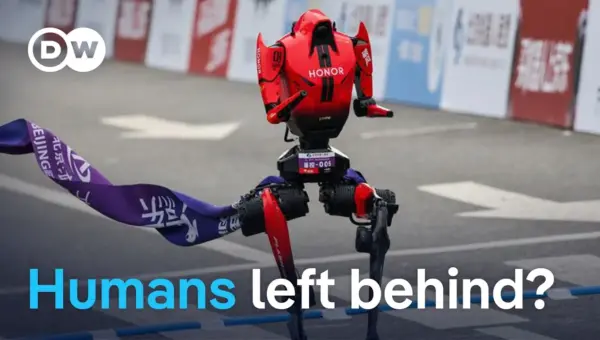
Robot Runner Beats Human Champion in Half Marathon
A recent half marathon in Beijing saw a robot named 'Lightning' shatter human records, finishing the 21km race nearly seven minutes faster than the men's world record. Experts highlight this as a significant milestone in robotics, driven by advances in hardware, control, and AI, while also cautioning against overstating current capabilities in areas like independent thought and home integration.


Trump’s Grip Weakens Amidst Economic Woes and Global Tensions
Reportedly, Donald Trump's support is waning due to the war in Iran and the rising cost of living. Congressional candidate Saikat Chakrabarti discussed these issues and the role of progressive Democrats in the upcoming midterms. Voters are increasingly concerned about their financial stability and global security.

Mayor Mahan: California Democrats Need New Ideas, Not More of the Same
San Jose Mayor Matt Mahan argues that California Democrats need new ideas and a focus on practical governance. He points to his record on crime reduction and economic development as proof of his effectiveness. Mahan believes addressing the high cost of living is key to connecting with voters.