GOP Claims Tax Cuts Boost Americans, Blame Dems for Inflation
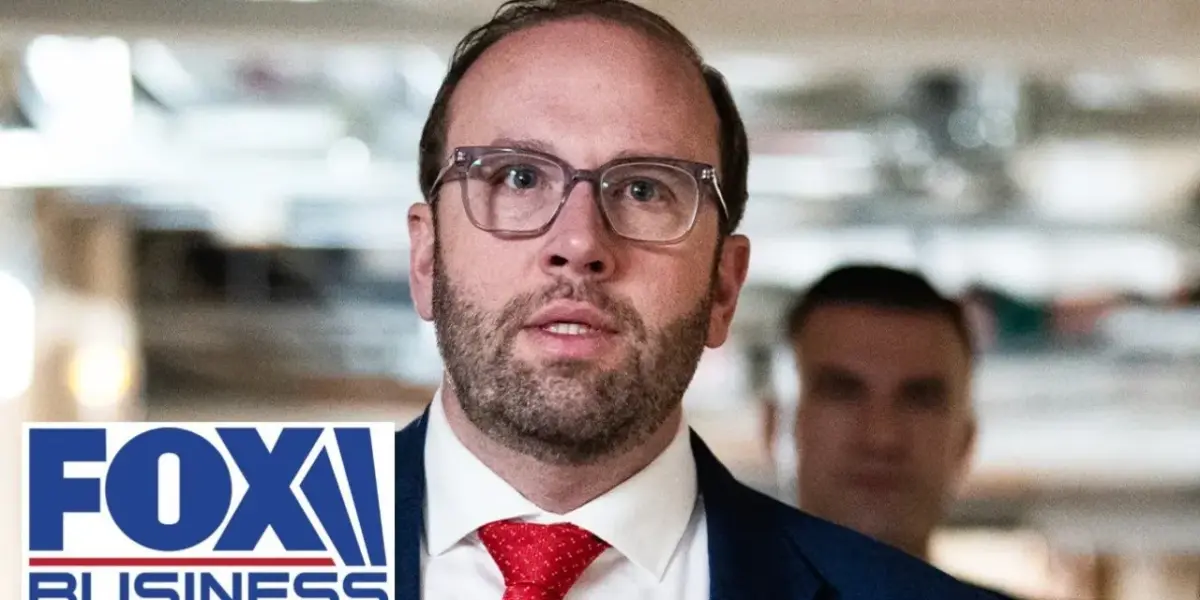
House Ways and Means Chairman Jason Smith argues that Democratic spending fueled inflation, while tax cuts have benefited Americans. He criticizes a growing socialist agenda within the Democratic Party and emphasizes the need for fiscal responsibility amid high national debt. Investors should watch these economic policy debates as they could shape future market conditions.

GOP Claims Tax Cuts Boost Americans, Blame Dems for Inflation
House Ways and Means Committee Chairman Jason Smith is pushing back against Democratic claims that high prices are hurting Americans more than tax breaks. Smith argues that the current high cost of goods is a direct result of extensive government spending by Democrats.
He points to a $10 trillion spending spree by Democrats when they controlled the White House, House, and Senate. This spending, he contends, fueled inflation, leading to a roughly 21% increase in the cost of goods.
In contrast, Smith highlights that inflation has fallen to its lowest levels in four years during Donald Trump’s term. He describes Democratic statements criticizing the cost of goods as “crazy.” This is because, according to Smith, Democrats are the ones who voted for tax refunds that have benefited all Americans.
He noted that the past tax season saw the largest tax refunds in U.S. history. Smith stated that 90% of Americans who filed taxes by April 15 benefited from increased standard deductions and specific tax provisions.
Tax Relief Highlights
These tax provisions include no taxes on tips, overtime pay, Social Security benefits, and auto loan interest. Smith mentioned that nearly half of all Americans utilize these deductions.
He shared an anecdote about President Trump receiving thanks from a woman in Las Vegas who was deeply helped by these tax changes. This personal impact, he suggests, is happening across the country, contrasting sharply with the agenda of some on the left.
Democratic Agenda Concerns
Smith also voiced concerns about what he sees as a growing socialist agenda within the Democratic Party. He referenced comments from New York Mayor Zohran Mamdani, who is considering taxing the ultra-wealthy and proposing free services.
Smith criticized proposals for “free everything,” such as free buses and rent, calling them dangerous socialist ambitions. He believes these ideas are spreading throughout the Democratic Party.
He cited a Democratic Socialist from Queens who believes this political movement can flourish anywhere, even nationally. Smith draws a connection to figures like Alexandria Ocasio-Cortez and Bernie Sanders, who he says are pushing this agenda more aggressively.
He stated that this progressive messaging is not a future possibility but a present reality within the House of Representatives. Smith specifically mentioned Ocasio-Cortez, Rashida Tlaib, and Ilhan Omar, suggesting they are influencing leaders like Chuck Schumer and Hakeem Jeffries towards what he calls “craziness.”
Legislative Battles and Budget Concerns
Looking ahead, Smith warned that if Democrats win control of the House, they would likely increase taxes significantly. He believes Democrats fundamentally think they can spend taxpayer money more effectively than individuals can.
He also discussed ongoing legislative debates in Washington, particularly concerning a budget reconciliation bill. The Senate is reportedly discussing a “skinny” bill focused on funding ICE and Border Patrol, as requested by the President by June 1.
However, some Republicans, like Senator John Kennedy, prefer a more substantial bill that includes additional provisions. They believe this might be the only chance for such a comprehensive package.
Speaker Mike Johnson has also discussed a potential second reconciliation package in the fall. This situation highlights a disagreement on how to approach budget legislation, with some advocating for a quick, focused bill and others wanting to include more items.
Fiscal Responsibility and Debt
Smith emphasized the importance of fiscal responsibility, especially given the nation’s substantial debt, which he places at $39 trillion. He acknowledged the significant funding requests for the Department of Defense and the military.
Balancing these needs with his commitment to fiscal prudence is a key challenge for him and his colleagues. He believes the American people expect Congress to address waste, fraud, and abuse in government spending.
He cited examples of potential savings, such as combating fraud in unemployment benefits, which he estimates could save billions. He also pointed to fraud within Obamacare exchanges as another area for potential savings.
Smith believes that implementing appropriate measures to stop such fraud could save trillions of dollars. He stressed the need to be responsible stewards of U.S. taxpayer dollars, especially with the current deficit spending.
What Investors Should Know
The debate between Republicans and Democrats over government spending, tax policy, and inflation continues to shape the economic outlook. Republicans, like Chairman Smith, are emphasizing the benefits of tax cuts enacted under the Trump administration, arguing they have helped American households. They attribute current inflation primarily to past Democratic spending initiatives.
Democrats, on the other hand, are focusing on the high cost of living and proposing policies that may include increased taxes on the wealthy and expanded social programs. Investors should monitor these contrasting economic philosophies as they could influence future tax laws, government spending levels, and overall economic growth. The upcoming elections in November will be crucial in determining which party’s economic vision gains more traction.
The ongoing discussions about budget reconciliation bills and potential tax increases highlight the uncertainty in fiscal policy. Investors should pay attention to legislative developments in Congress, as they can directly impact corporate earnings, investment returns, and the broader market environment. The nation’s significant debt level also remains a background concern that could influence long-term economic stability and investment strategies.
The next major legislative deadline for budget discussions is June 1, with potential further action anticipated in the fall. These dates could bring clarity or further complexity to the fiscal outlook.
Source: Rep Jason Smith: The Democrats believe they know how to spend your money better than you do (YouTube)

Related Articles
Trump’s ‘No Tax on Tips’ Policy Born from Waitress’s Plea
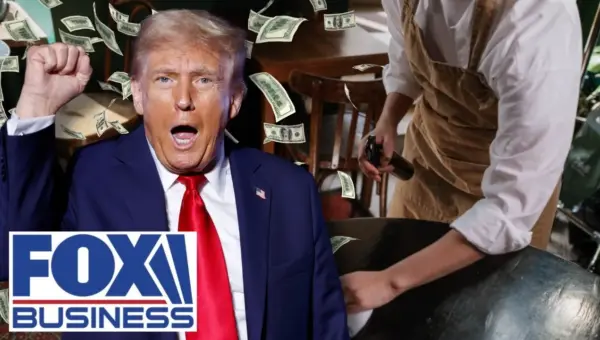
A waitress's simple plea to not tax her tips inspired a popular policy that continues to benefit working Americans. Stephen Moore highlights this and other tax measures, alongside strong market fundamentals and potentially falling gas prices, as key drivers of economic strength. Meanwhile, a nomination for the Federal Reserve faces partisan opposition.

US Debt Crisis Fuels Bitcoin’s Million-Dollar Forecast
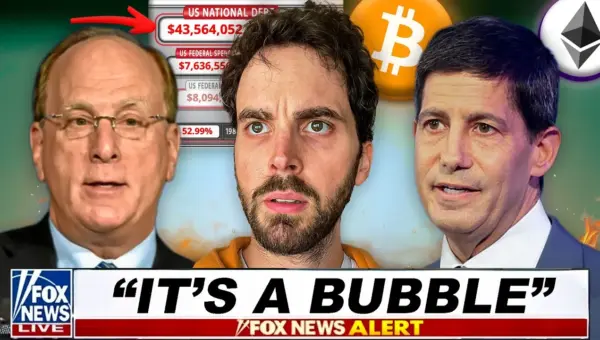
With U.S. national debt soaring and $10 trillion set to mature soon, experts predict increased money printing. This could devalue the dollar, driving investors to assets like Bitcoin, which some analysts forecast could reach $1 million by 2030 as a hedge against inflation.
Gas Prices May Not Drop Below $3 Until 2027, Warns Trump Official
A Trump administration official warned that gas prices might not fall below $3 a gallon until 2027, citing international conflict and economic factors. Congressman Ted Lieu criticized the administration's economic claims and highlighted concerns over war spending and the legality of potential military actions. The remarks come as Americans grapple with rising costs and ongoing foreign policy challenges.