Iran Escalates Tensions, Threatens Global Oil Shock
Tensions flare in the Persian Gulf as Iran vows retaliation after a U.S. Navy interdiction of an Iranian ship. The incident has sent oil prices soaring and jeopardized diplomatic talks, with Iran accusing the U.S. of piracy and escalating aggression.

Iran Escalates Tensions, Threatens Global Oil Shock
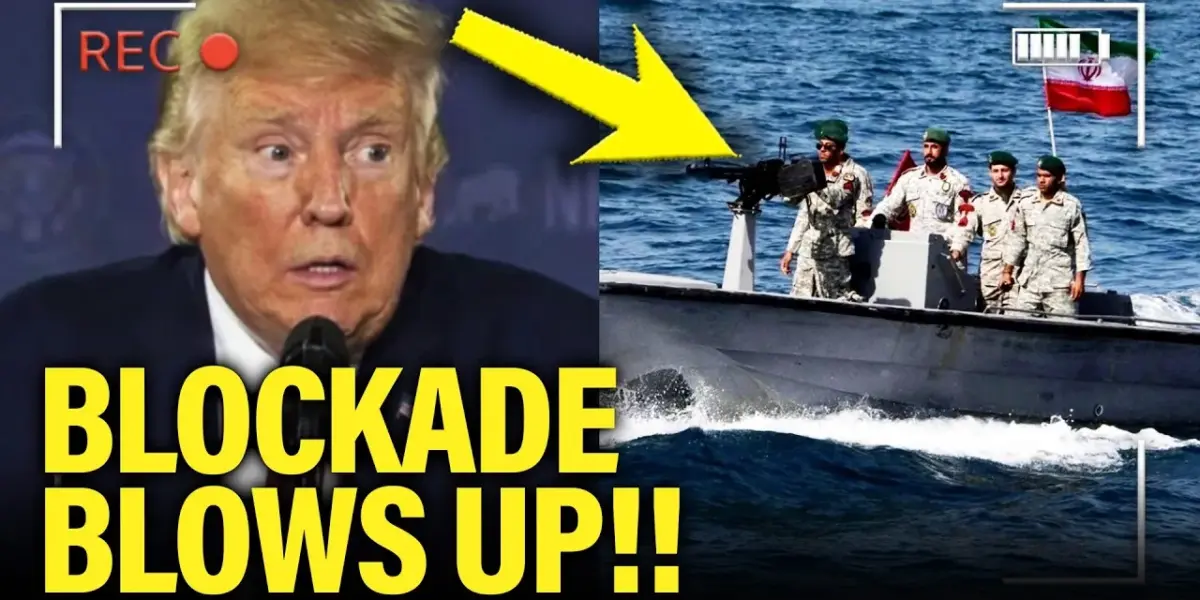
The Persian Gulf region is on edge after a recent confrontation between the U.S. Navy and an Iranian ship. The incident, which involved the U.S. Navy boarding and interdicting an Iranian vessel claimed to be violating a blockade, has sparked strong reactions from Iran. Iranian leaders have labeled the action as piracy and vowed significant retaliation against U.S. interests in the region.
This escalation comes at a critical time, as planned diplomatic talks between the U.S. and Iran were set to take place. Iran has expressed skepticism about the sincerity of these negotiations, given the ongoing military actions and what they describe as unreasonable demands from the U.S. The ongoing naval actions and Iran’s strong response have led to a noticeable surge in oil prices, approaching $100 per barrel, signaling potential instability in global energy markets.
Background of the Conflict
The current tensions are rooted in a long-standing complex relationship between the United States and Iran. Historically, the two nations have engaged in periods of both diplomatic outreach and significant confrontation. This specific incident appears to be a direct result of U.S. naval operations aimed at enforcing a blockade in the Persian Gulf, a move Iran views as aggressive and illegal.
The U.S. Navy released footage of the operation, showing the USS Spruance intercepting the Iranian ship, identified as the Touska. According to U.S. accounts, the ship was attempting to evade the blockade and refused to stop, leading to the Navy disabling its engine room. U.S. Marines subsequently took control of the vessel, which was reportedly under Treasury sanctions for prior illegal activities.
Iran’s Response and Counter-Narrative
Iran’s reaction has been swift and severe. The Iranian ambassador to Pakistan criticized the U.S. for violating international law and continuing aggressive actions.
Iran’s Islamic Revolutionary Guard Corps Aerospace Chief stated that Iran’s missile and drone capabilities are being replenished rapidly, suggesting preparedness for further conflict. Iranian officials have also indicated that any negotiations are contingent on preconditions, including a ceasefire in Lebanon and the release of frozen assets.
Beyond official statements, Iran has employed social media and symbolic actions to counter the U.S. narrative. Videos released by Iranian entities have mocked U.S. leadership, using imagery and satire to portray a defiant stance. These actions aim to project strength and resilience in the face of perceived American aggression, while also highlighting what they see as contradictory U.S. policies of pursuing diplomacy alongside military pressure.
Market Reactions and Economic Implications
The immediate impact of these rising tensions has been felt in global financial markets, particularly in the oil sector. The surge in oil prices reflects investor concern over potential disruptions to supply from the Strait of Hormuz, a vital shipping lane. Some analysts suggest that further escalation could push oil prices to significantly higher levels, potentially impacting economies worldwide.
There have also been accusations of market manipulation. Iran’s Parliament leader alluded to coordinated efforts to influence oil prices through public statements and trading strategies, suggesting that market movements may not solely reflect genuine supply and demand. This claim adds another layer of complexity to the situation, hinting at strategic economic warfare alongside military posturing.
Future Outlook and Potential Scenarios
Iran has outlined two potential scenarios regarding U.S. actions: using military preparations for psychological pressure to gain concessions in negotiations, or using negotiation talks as a cover for a surprise military attack on Iranian islands. Iran maintains that it is prepared for both, emphasizing its strengthened military readiness over the past two weeks.
The situation remains volatile, with both sides making strong statements and taking actions that increase the risk of further conflict. Reports indicate that Israel is also preparing for intensified fighting in Gaza, adding another regional flashpoint. The coming days and weeks will be crucial in determining whether diplomatic channels can de-escalate the situation or if the region is headed for a more serious confrontation, with potentially severe consequences for global energy security.
Why This Matters
This escalating confrontation directly impacts global energy markets, with the potential for significant price hikes if shipping through the Strait of Hormuz is disrupted. Beyond economics, the increased military posturing raises concerns about regional stability and the possibility of a wider conflict. The diplomatic process itself is also at risk, as trust erodes with each aggressive action and counter-response.
The events also highlight the complex interplay of military action, political rhetoric, and economic pressure in international relations. Iran’s use of social media and symbolic responses suggests a modern approach to asymmetric influence, challenging traditional power dynamics. Understanding these dynamics is key to grasping the full scope of the current crisis and its potential ripple effects.
Historical Context
The U.S.-Iran relationship has a long and often fraught history, marked by events such as the 1953 coup, the 1979 revolution, the hostage crisis, and ongoing disputes over Iran’s nuclear program. Periods of intense hostility have alternated with efforts at dialogue, such as the negotiation of the Joint Comprehensive Plan of Action (JCPOA) in 2015. The current administration’s approach to Iran has seen a significant shift from previous policies, leading to increased tensions.
The Strait of Hormuz has historically been a critical chokepoint for global oil supplies. Both Iran and the U.S. have demonstrated the capacity and willingness to exert influence in this strategic waterway, making any disruption a significant global concern. Past incidents in the region have often led to rapid escalations, highlighting the sensitivity of the area.
Looking Ahead
Iran’s confirmation of the ship’s interdiction and its promise of retaliation suggest that the situation is far from resolved. The country’s preparedness for renewed conflict, and its willingness to abandon previous restraints regarding strategic targets like Bab el-Mandab, Aramco, Yanbu, and Fujairah, indicates a significant hardening of its position. The coming weeks will likely see continued diplomatic maneuvering alongside heightened military readiness.
The coming days will be critical as the U.S. and Iran assess their next moves. The potential for miscalculation remains high, and the consequences of further escalation could be severe for regional stability and the global economy. The international community will be closely monitoring developments for any signs of de-escalation or further intensification of the conflict.
Source: Trump PANICS as US BLOCKADE EXPLODES!!! (YouTube)

Related Articles
International Force Needed to Keep Strait of Hormuz Open
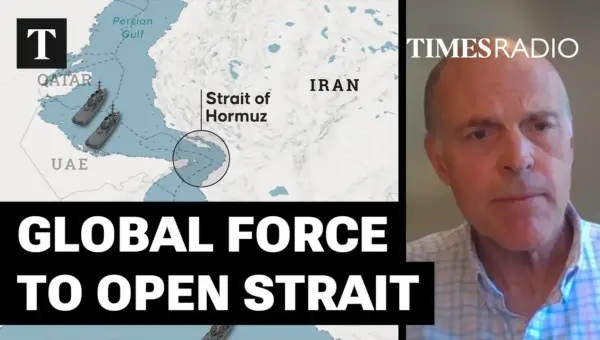
Vice Admiral Duncan Potts advocates for an international force to secure the Strait of Hormuz after a recent US seizure of an Iranian ship. Citing lessons from anti-piracy efforts, he argues a coalition is vital to maintain open passage through this critical global waterway. The move aims to prevent any single nation from controlling this essential trade route.


Hungary’s Past Fuels Present Anti-Russian Sentiment
A journalist's personal connection to Hungary's 1956 Revolution highlights the nation's historical resistance to Moscow. Finding a revolutionary flag from the uprising serves as a reminder of Hungarians' long-standing desire for independence. This historical legacy continues to shape national identity and influence current geopolitical views.


Russia Tries New Tactics Amid Ukraine Drone Offensive
Russia is reportedly gathering 20,000 troops for a new offensive in southeastern Ukraine, while Kyiv is adapting with integrated drone-assault units. Moscow is also developing its own satellite communication system, potentially challenging Ukraine's technological edge. The conflict's industrial and diplomatic dimensions are expanding, with Russia targeting European drone manufacturers, prompting diplomatic responses.