Hungary’s Orban Out: EU Hails New Era, But Challenges Remain
Hungary's election of Peter Magyar has brought relief to Brussels, signaling a potential end to Viktor Orban's 16-year blockade of EU decisions. While hopes are high for improved relations and cooperation, particularly regarding Ukraine and migration, challenges remain in dismantling Orban's established system and translating hope into lasting change.

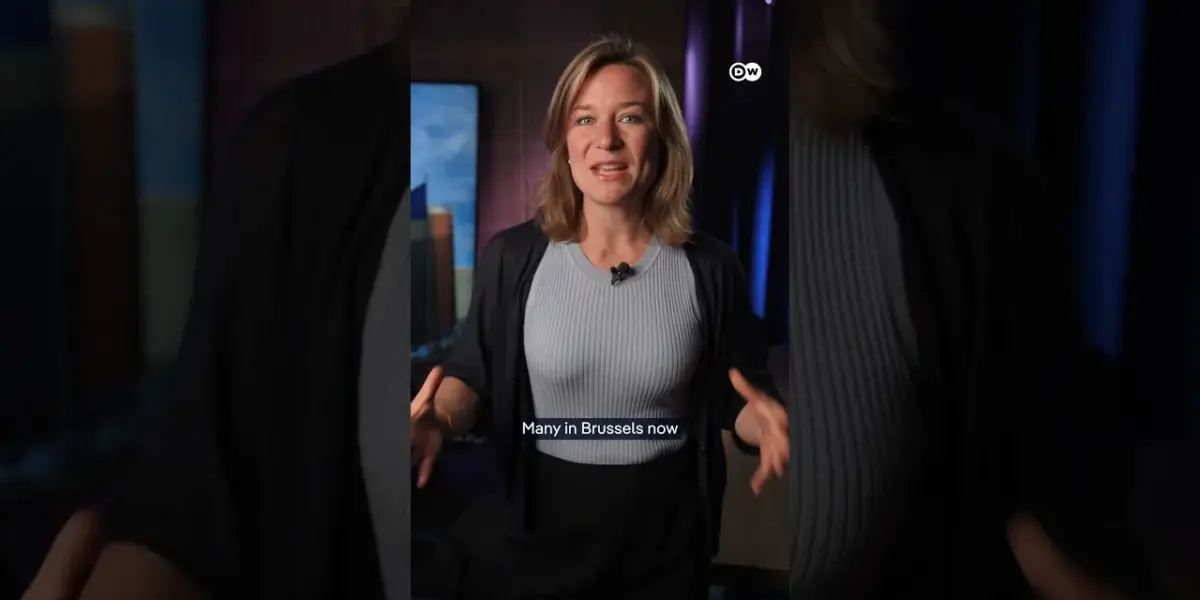
Hungary Elects New Leader, Easing Tensions with Brussels
BRUSSELS – A palpable sense of relief swept through Brussels following the recent election results from Hungary. After 16 years under Prime Minister Viktor Orban, the country has a new leader, marking a significant moment for European Union officials and leaders. The departure of Orban, whose tenure was marked by frequent roadblocks to EU decisions and strained relations with member states, has sparked hopes for a more cooperative future.
Orban’s Blockades and EU Fund Freezes
For years, Hungary under Orban’s leadership frequently obstructed or delayed key EU initiatives. This included holding up crucial support for Ukraine and slowing down sanctions against Russia. In some instances, Orban’s government faced accusations of sharing sensitive information with Moscow, further eroding trust within the bloc. Simultaneously, Brussels had frozen billions of euros in EU funds allocated to Hungary. These funds were withheld due to serious concerns about corruption and the rule of law. These issues were linked to Orban’s government and its associated networks.
New Prime Minister: Hopes for a Shift
The election of the new Prime Minister, Peter Magyar, has brought renewed optimism. Many in Brussels believe this change could lead to a significant improvement in Hungary’s relationship with the EU. Magyar has publicly stated his intention to restore trust with Western allies and firmly anchor Hungary within both the EU and NATO. This signals a potential departure from Orban’s often isolationist policies.
Ukraine Policy: A Nuanced Approach
Regarding Ukraine, Magyar is expected to adopt a more constructive stance than Orban. There is anticipation that he will be more amenable to unblocking a vital 90 billion euro loan package for Ukraine. However, Magyar is not entirely pro-Ukraine. He has expressed opposition to Ukraine’s fast-tracked membership into the EU. This suggests that while relations may improve, certain policy differences are likely to persist.
Migration and Asylum: Common Ground, Potential for Change
On the issue of migration, Magyar appears to share some of Orban’s policy priorities. He supports the implementation of strong border controls, a stance similar to Orban’s. Despite this, there is still hope for a shift in approach. Experts suggest that Magyar might be more willing to adhere to EU asylum laws and engage in pragmatic cooperation with Brussels on migration matters. This could lead to a more unified EU approach on border management and refugee policies.
Undoing Orban’s System: A Two-Thirds Majority
Crucially, Magyar’s party secured a two-thirds majority in the election. This significant mandate is essential for dismantling the complex system Orban established over his 16-year rule. With this majority, Magyar has the power to amend the constitution and address the networks that became deeply embedded within the Hungarian state during Orban’s government. This provides a clear pathway for substantial institutional reform.
Looking Ahead: From Hope to Reality
For many observers in Brussels, the election outcome represents a victory for a more unified and cooperative Europe. The departure of Orban and the potential easing of his veto policies suggest that Hungary may become a more predictable and manageable partner for the EU. However, the transition from hope to tangible change will require sustained effort. Even with a two-thirds majority, the process of reforming Hungary’s political and institutional landscape will be a complex undertaking that will unfold over time.
What to Watch Next:
The focus will now shift to how effectively Prime Minister Magyar implements his agenda. Key areas to monitor include his administration’s actions on judicial reform, its engagement with EU institutions on rule of law issues, and its concrete policy shifts regarding Ukraine and migration. The international community will be watching closely to see if Hungary truly embraces a new era of cooperation within the European Union.
Source: Hungary after Orban: Why Brussels is breathing easier | DW News (YouTube)

Related Articles
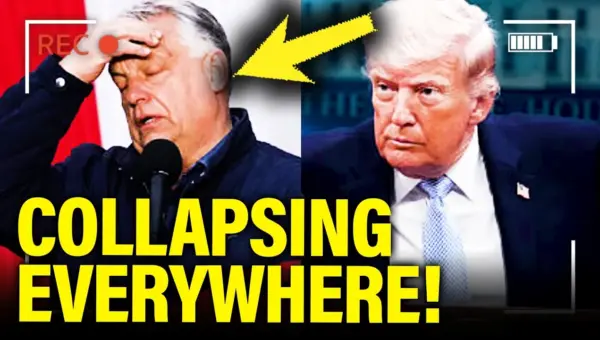
Hungary Rejects Authoritarianism, Sending Shockwaves Globally
Hungary's decisive election of Peter Maguar over Victor Orban marks a significant victory against authoritarianism, impacting global politics. Orban's model influenced movements like MAGA, but his rejection offers critical lessons for the US. The election highlights the fight against corruption and foreign influence, signaling a potential shift in the global balance of power.
Hungary’s Shift May Herald Putin’s EU Isolation
Hungary's election results signal a major shift, potentially isolating Russia within the EU. Meanwhile, Ukraine continues to target Russian infrastructure, exposing Moscow's growing military and economic vulnerabilities. The conflict grinds on with no clear end in sight.
Russia Accuses NATO States of Drone Attacks
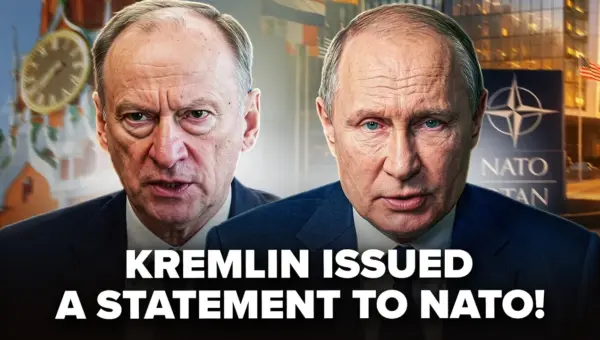
Russia has accused Estonia, Latvia, Lithuania, and Finland of aiding Ukrainian drone strikes by allowing their airspace to be used. Senior Russian official Nikolai Patrushev claimed these actions constitute direct NATO involvement. Meanwhile, Hungary's political shift offers a potential pathway for crucial EU aid to Ukraine, though challenges remain.