US Naval Blockade Strain: Allies Balk, One Ship Tests Resolve
The US faces a significant challenge enforcing a naval blockade in the Strait of Hormuz without allied support. Frustration over allies' lack of participation highlights strained international relationships and complicates the US's strategy to pressure Iran.


US Faces Alone in Strait of Hormuz Blockade Effort
A recent event saw the United States sanction a Chinese-linked tanker. This ship sailed through the vital Strait of Hormuz. This happened despite a blockade put in place by the Trump administration.
The tanker was reportedly coming from the UAE. This raises questions about the effectiveness and reach of the US-led blockade. The US generally avoids targeting allied nations.
Allowing allied ships to pass is standard practice. However, letting even one ship through casts doubt on the US’s ability to enforce the entire blockade on its own. This is especially true since allies are not providing support.
Allies Unwilling to Join US Blockade
The lack of allied support for the blockade is a major challenge. President Trump has repeatedly expressed frustration over this. He believes NATO and European allies are not doing enough.
The relationship between the US and NATO is currently strained. There are several reasons for this, making cooperation difficult. This strained relationship means the US is largely on its own in this endeavor.
Blockade Operation Presents Complex Challenges
Carrying out such a blockade alone is a complicated military operation. The US does have significant military assets in the region. However, enforcing a blockade requires constant vigilance and resources.
It means monitoring and intercepting numerous vessels. This is a massive undertaking for any single nation. The US is trying to use this blockade as a tool.
It aims to pressure Iran into returning to negotiations quickly. It seems the US does not view this as a long-term blockade strategy. The goal is likely to create immediate pressure, not to maintain a sustained naval presence enforcing sanctions indefinitely.
Why This Matters
The Strait of Hormuz is a critical global shipping route. About 30% of the world’s oil passes through it. Any disruption here can cause major economic instability.
This includes significant price increases for oil worldwide. The US’s ability to enforce a blockade without help from allies has wider implications. It shows the limits of American power when acting unilaterally.
It also highlights potential divisions within international alliances. If the US cannot get its allies to back such a significant action, it suggests a loss of diplomatic leverage or differing strategic priorities.
Historical Context and Background
Naval blockades have been used for centuries as a tool of war and diplomacy. They aim to cut off an enemy’s supplies and trade. In modern times, they are often used as part of international sanctions.
The US has a history of using naval power to influence global events. However, the success of such blockades often depends on international cooperation.
When allies are not involved, enforcement becomes much harder. It also risks alienating partners and creating resentment.
Implications, Trends, and Future Outlook
The current situation suggests a trend towards more unilateral actions by the US. This could lead to increased friction with allies. It might also embolden adversaries who see a lack of unified opposition.
The future outlook for this specific blockade remains uncertain. If the US cannot secure allied support, it may have to scale back its efforts. This could lead to Iran continuing its actions with less fear of reprisal.
Alternatively, the US might seek different ways to pressure Iran. This could involve more targeted sanctions or diplomatic efforts.
The lack of allied support is a clear signal that international consensus on how to deal with Iran is lacking. This makes future enforcement actions by the US more difficult and potentially less effective.
The US is finding it challenging to enforce a naval blockade alone. Allies are hesitant to join, and even one ship passing through the Strait of Hormuz raises questions about the blockade’s overall strength.
Source: Can the US really enforce a naval blockade on its own — without allies? (YouTube)

Related Articles


Trump’s Iran Gambit: A Risky Bet for Global Oil Prices
Donald Trump's potential withdrawal from the Iran conflict could destabilize global oil prices. Leaving allies to manage the Strait of Hormuz risks empowering Iran to control energy markets. This move could lead to significant economic pain worldwide.

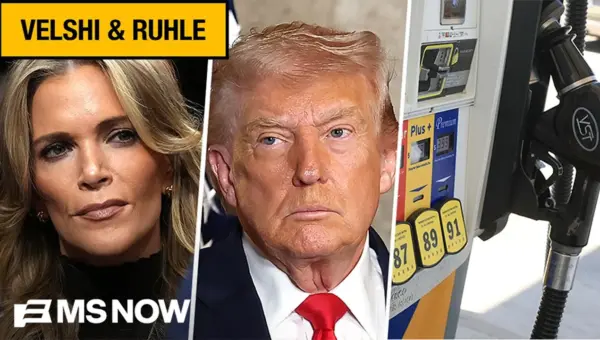
Iran Conflict Fuels Gas Price Hikes Amidst MAGA Division
The U.S. faces rising gas prices and public unease due to the ongoing conflict in Iran. The lack of clear strategy and communication surrounding the military actions has fueled economic concerns and political division. Americans overwhelmingly oppose sending ground troops, while the potential disruption of the Strait of Hormuz looms large.


Ukraine War: US Denies Deal Over Donbas Withdrawal
The United States has denied Ukrainian President Zelenskyy's claim that the U.S. demanded Ukraine withdraw forces from Donbas for security guarantees. U.S. officials stated guarantees would only take effect after the war ends. The funding for abducted children's rehabilitation also continues.