GOP Rep Slams Democrats Over Iran War Powers Vote Tactics
House Republicans blocked a Democratic attempt to vote on limiting U.S. military action in Iran. Democrats are seeking Republican support for a war powers resolution. A GOP Congressman criticized the move as politically motivated interference with presidential authority.

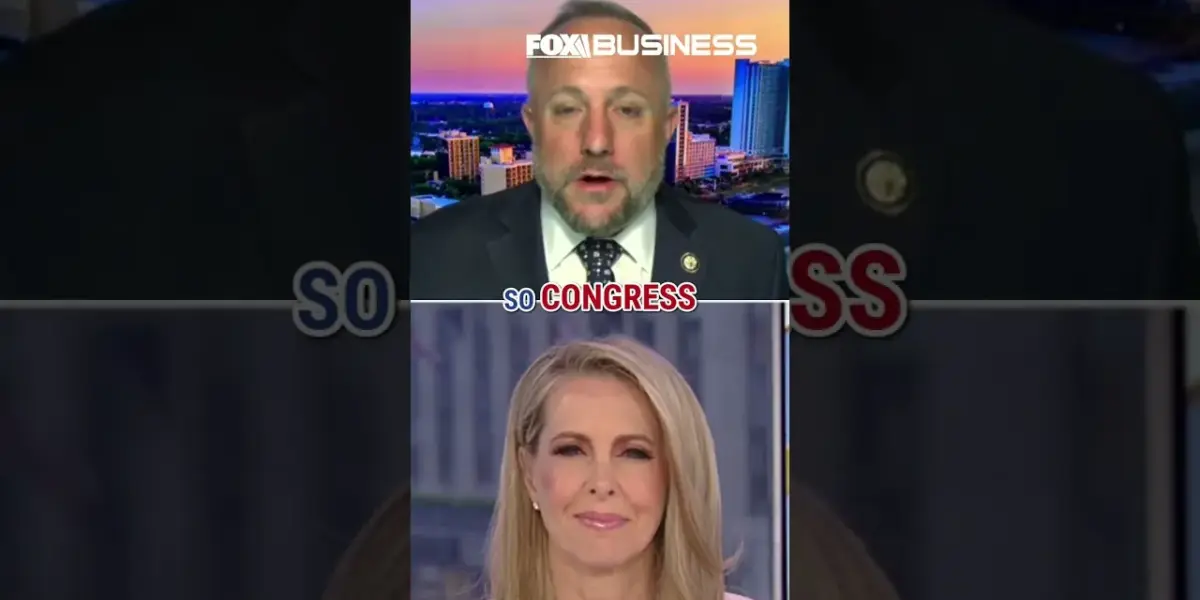
House Republicans Block Iran War Powers Resolution Vote
House Republicans recently blocked a Democratic attempt to limit American military action in Iran. This happened during a pro forma session of Congress.
Democrats had hoped to pass a resolution that would restrict the President’s ability to engage in military conflict with Iran without explicit congressional approval. The move by Republicans effectively halted the immediate vote on the measure.
House Majority Leader Hakeem Jeffries stated that Democrats are actively discussing with Republicans to gather enough votes for the Iran war powers resolution to pass. He indicated that securing even a small number of Republican votes would be sufficient. Jeffries expressed confidence in eventually forcing another vote upon Congress’s return.
He specifically mentioned needing a handful of Republicans to join Democrats to stop what he called a “reckless war of choice.” Democrats have reached out to specific Republican lawmakers, including Congresswoman Nicole Malliotakis and Congressman Lawler, for their support. As of the report, neither lawmaker had provided a comment.
GOP Congressman Criticizes Democratic Strategy
Congressman Russell Fry of South Carolina responded to the situation, questioning the Democratic approach. He referenced Senate Majority Leader Chuck Schumer’s plan to bring the measure up for a vote in the Senate next week. Fry also commented on Schumer naming specific Republican colleagues he is trying to persuade.
Fry believes the founders designed the U.S. government with a single commander-in-chief, not 535 individuals making military decisions. He acknowledged Congress’s role in international matters but argued against micromanaging the President’s actions.
Fry stated that having 535 members of Congress micromanage a conflict doesn’t make sense to him or the American people. He referenced President Trump’s past statements about limited incursions to address specific issues. Fry believes Congress is not needed to micromanage a conflict the President is trying to manage.
He accused Democrats of playing politics and suggested their actions stem from opposition to President Trump rather than genuine concern about Iran’s nuclear capabilities. Fry described the Democratic effort as an attempt to undermine the President at every turn.
Market Impact and Investor Considerations
Geopolitical Tensions and Defense Spending
The debate over war powers highlights ongoing geopolitical tensions in the Middle East. Such tensions can impact global markets by affecting oil prices and trade routes.
For investors, heightened geopolitical risk can lead to increased market volatility. Defense contractors and companies involved in energy may see fluctuations in their stock prices depending on the developments.
Congressional Powers and Executive Authority
The core of the debate involves the balance of power between Congress and the President regarding military action. The War Powers Resolution of 1973, for example, aims to limit the President’s power to commit U.S. forces abroad without congressional consent.
Understanding these checks and balances is crucial for investors observing potential shifts in foreign policy and its economic consequences. This specific resolution aimed to assert congressional oversight over potential military engagements in Iran.
Political Dynamics and Market Sentiment
The article suggests that political motivations are influencing the debate over military action. When policy decisions are driven by partisan politics, it can create uncertainty for businesses and investors.
Market sentiment can be affected by perceptions of political stability and the predictability of government actions. Investors often look for clear policy directions, and political disagreements can lead to hesitation.
What Investors Should Know
Investors should monitor developments in congressional debates about foreign policy and military engagement. These discussions can signal potential changes in U.S. foreign relations and their economic ripple effects.
Pay attention to how geopolitical events influence sectors like energy, defense, and international trade. Understanding the political climate can help investors assess risks and opportunities related to global stability.
The Senate is scheduled to take up a similar measure next week. This indicates the ongoing nature of this debate within the U.S. legislative bodies.
Source: 'HELL-BENT ON UNDERMINING HIM': GOP rep TORCHES Democrats #shorts (YouTube)

Related Articles


2026’s First 100 Days: War, Royal Arrests, and Space Leaps
The first 100 days of 2026 were marked by a dramatic Iran War, the historic Artemis 2 space mission, and the surprising arrest of Prince Andrew. These events, alongside geopolitical crises and domestic unrest, defined a turbulent start to the year.
Trump’s Iran “Victory” Unravels Amidst Shifting Deadlines
Reports suggest a declared ceasefire with Iran was fictional, with ongoing conflict and a closed Strait of Hormuz. Critics argue Donald Trump's approach has failed, weakening the U.S. and resulting in a broken deal.


Trump’s War Messaging Sparks ‘Apprentice’ Comparisons
Critics are comparing former President Donald Trump's messaging on potential military action against Iran to a reality TV show. This approach has drawn criticism for trivializing the gravity of war, while some argue it's a deliberate media warfare strategy.