Cuba’s President Reacts to Question About Stepping Down
Kristen Welker described a surprising moment when Cuban President Miguel Díaz-Canel reacted strongly to her question about whether he would step down. The journalist believes the president's annoyance stemmed from the challenge to Cuba's sovereignty. The interview also touched on economic reforms and political freedoms.

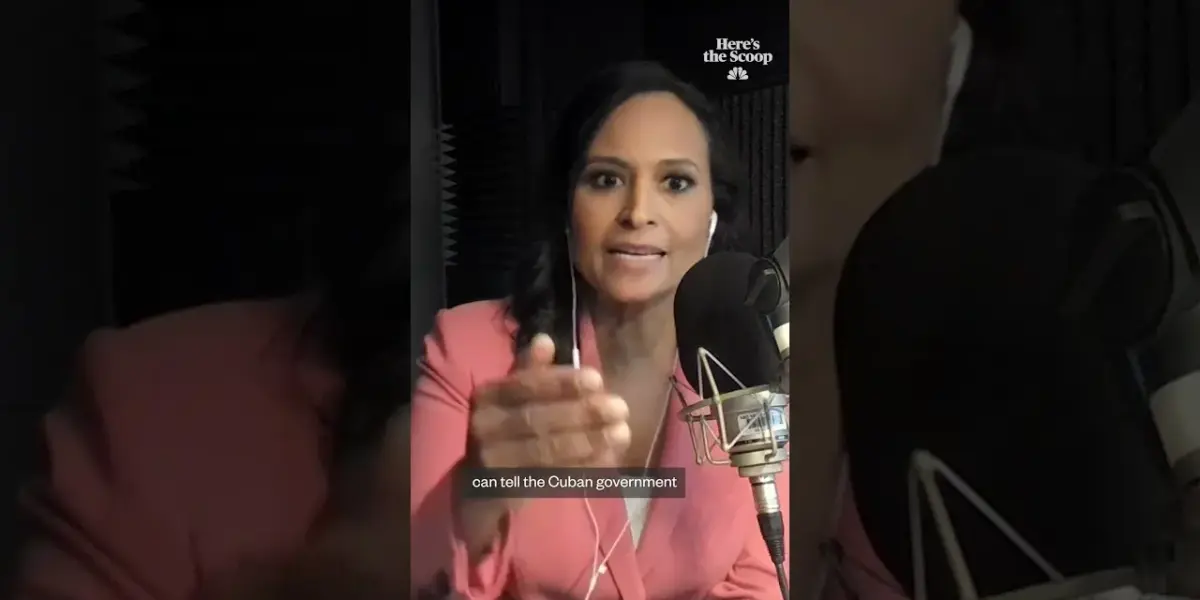
Journalist Recounts Tense Exchange with Cuban President
In a recent interview, NBC News’ Kristen Welker asked Cuban President Miguel Díaz-Canel if he would be willing to step down from his position. The question, posed at the end of a 50-minute discussion in Havana, reportedly caused the Cuban leader to react with noticeable annoyance. Welker described the moment as surprising, especially given that it came as the interview was being concluded.
Welker recounted her persistence in seeking more time for questions, despite attempts to wrap up the interview. She stated, “I said, ‘Please, we’ve traveled all the way to Havana. Just a few more questions.'” This final question about stepping down was intended as the very last inquiry, and Welker expected a straightforward answer to end the exchange.
President’s Strong Reaction and Sovereignty Concerns
The Cuban president’s strong reaction to the question about his potential resignation was unexpected for Welker. She believes this response highlights a sensitive point for Cuban leadership. The idea that the United States could dictate who leads Cuba or how it should be governed directly challenges the country’s sense of sovereignty.
This sensitivity is amplified by decades of U.S. economic embargoes and more recent actions, such as an oil blockade imposed by the Trump administration. These measures have worsened the economic hardship and poverty within Cuba, a situation the U.S. attributes to the Cuban government’s policies.
Broader Interview Topics and Cuban Response
The interview also covered other critical issues facing Cuba. Welker questioned whether the country should adopt capitalist measures, release political prisoners, and establish a free press. President Díaz-Canel reportedly bristled at these suggestions, indicating resistance to significant internal changes proposed by the U.S.
However, the question about stepping down seemed to provoke the most intense reaction. From the president’s perspective, Welker explained, this question strikes at the core of Cuba’s right to self-determination and national independence.
Context of U.S.-Cuba Relations
The exchange occurred against a backdrop of long-standing tension between the United States and Cuba. The U.S. embargo, in place for over 60 years, has significantly impacted Cuba’s economy and development. Recent U.S. policies have further tightened economic pressure on the island nation.
Cuban officials often view U.S. inquiries about leadership changes or internal governance as interference. They see such questions as attempts to undermine their political system and national sovereignty, especially given the history of U.S. actions towards Cuba.
Journalist’s Perspective on the Exchange
Welker emphasized that asking such direct questions is standard practice for her when interviewing leaders worldwide. She noted that while the president seemed annoyed by the premise of the question, his reaction was understandable within the context of national sovereignty concerns.
She stated that the president’s strong pushback suggests that discussions about leadership transitions are particularly unwelcome. It reinforces the Cuban government’s position that its internal affairs are not subject to external influence or dictate.
Looking Ahead: Cuba’s Future Path
The interview highlights the ongoing debate about Cuba’s political and economic future. The Cuban government maintains its stance on sovereignty and self-governance, while international pressure for reforms continues. Future interactions will likely continue to address these complex issues.
The reactions seen in this interview offer a glimpse into the Cuban leadership’s perspective on external questioning. The coming months will show how these internal and external pressures shape Cuba’s trajectory regarding economic policy and political freedoms.
Source: Kristen Welker on asking Cuba's president if he would be willing to step down (YouTube)

Related Articles
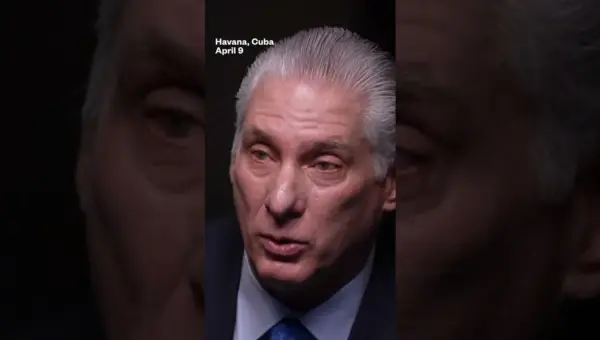
Cuba’s President Refuses to Step Down for U.S. Deal
Cuban President Miguel Díaz-Canel refused to step down, even if it were a condition for normalizing relations with the United States. He questioned the premise of the demand, stating Cuban leadership is not chosen by the U.S. government. Díaz-Canel also declined to commit to U.S. calls for releasing political prisoners, multi-party elections, or a free press.

Senator Scott Predicts Cuba’s Communist Regime Collapse
Senator Rick Scott predicts the end of Cuba's communist regime, citing the failures of socialism and the desire for freedom. He criticizes Democrats for supporting authoritarian governments and contrasts this with the Republican party's focus on democracy and security. The Senator believes a popular uprising will bring about change in Cuba.


Photo Captures King’s Death; Funding Cuts Threaten News
Fifty-eight years ago, Joseph Louw's photograph captured the world's attention, documenting Dr. Martin Luther King Jr.'s assassination. Today, similar journalistic endeavors may face challenges as the Trump administration proposes defunding public broadcasting and cutting DEI programs. These actions, alongside the controversial release of FBI surveillance files, raise significant questions about the future of news reporting and historical transparency.