Sports Fans Face Hefty Streaming Bills Amid League Greed
Sports fans are grappling with a 'broken system' of rising streaming costs to watch games, forcing them to subscribe to multiple services. This comes as leagues like the NFL prioritize lucrative streaming deals over traditional, more accessible broadcasting. The situation has sparked debate about league greed and potential government intervention.

Sports Fans Face Hefty Streaming Bills Amid League Greed
For many sports enthusiasts, the days of easily watching their favorite teams on a single television are long gone. A growing frustration is emerging as accessing live games now requires juggling multiple streaming services, leading to significant monthly costs. This shift from free broadcasts to expensive subscriptions is being described by some as a “broken system.” The high price of streaming is a major concern for fans who remember a time when watching sports was far more accessible.
The core of the issue lies in how sports leagues, particularly the NFL, have pursued new revenue streams. Instead of relying solely on traditional television deals, leagues are now partnering with streaming platforms.
While this brings in substantial money for the leagues, it directly translates into higher costs for the average fan. This strategy is creating a substantial financial burden for those who simply want to follow their teams.
The NFL’s Antitrust Exemption Under Scrutiny
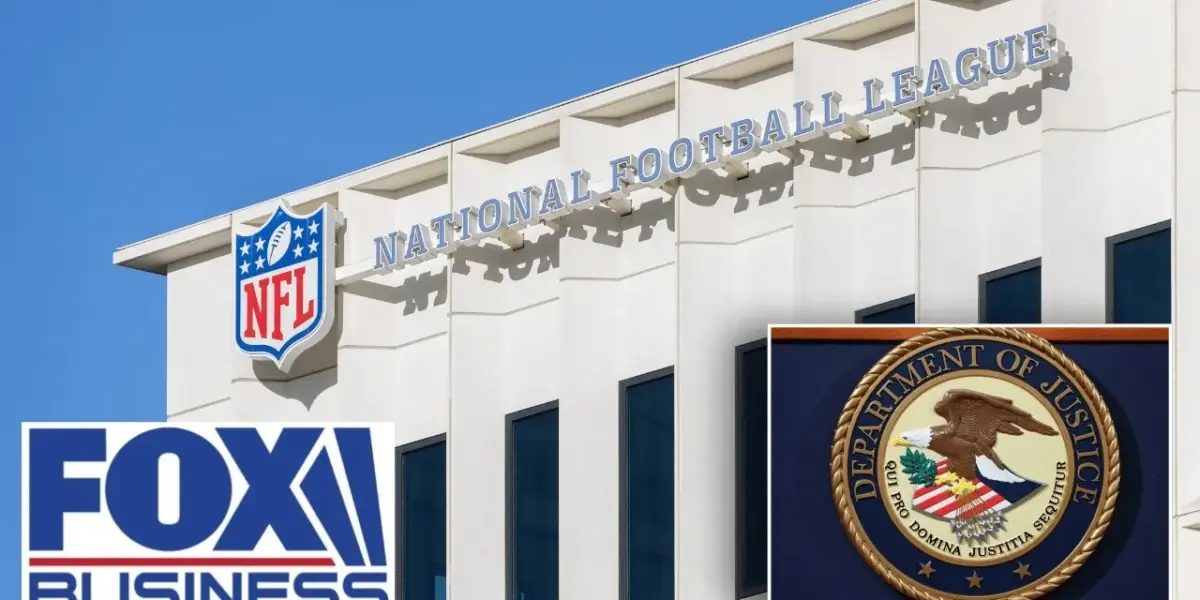
The National Football League has a unique advantage under U.S. antitrust laws. In 1961, Congress granted the NFL an antitrust exemption.
This exemption allows the league to collectively sell its broadcast rights, a move intended to help professional football grow and make games widely available to the public on broadcast television. The league has benefited from this exemption for decades, shaping how sports are viewed and consumed.
However, critics argue that the NFL has become overly reliant on this exemption while also pursuing aggressive monetization strategies. By prioritizing lucrative deals with streaming services, the league is seen as deviating from the spirit of making games free and fair for fans. This pursuit of profit is now leading to a situation where fans must pay a “substantial tax” to watch their teams play.
The Complex Web of Streaming Subscriptions
The current viewing experience for many fans involves navigating a confusing array of apps and subscriptions. What was once as simple as grabbing one remote control now requires remembering passwords for numerous services and constantly switching between them. This complexity adds frustration to the already high cost of accessing games.
Fans are finding themselves subscribing to seven or eight different streaming services just to catch all the games they want to watch. This fragmented approach to broadcasting makes it difficult to keep track of which games are on which platform and adds up quickly in terms of monthly expenses. The convenience of the past has been replaced by a costly and complicated digital maze.
Market Impact: A New Era for Sports Consumption
The shift towards streaming is reshaping the entire sports media landscape. Leagues are maximizing their earnings by selling rights to various platforms, including those that require separate subscriptions. This includes services like Amazon Prime Video, Apple TV+, Peacock, and ESPN+, among others.
This model generates significant revenue for the leagues and the streaming companies, but it places a considerable financial strain on the consumer. The days of easily accessible, free-to-air games are becoming a distant memory for many.
What Investors Should Know
Investors in sports media and technology companies are witnessing a significant transformation. The value of broadcast rights continues to climb, but the distribution model is diversifying. Companies that own streaming platforms are gaining more power, while traditional broadcasters may see their influence diminish if they cannot adapt.
The success of this model hinges on subscriber growth and retention for streaming services. Companies must balance offering compelling content, like live sports, with managing costs and user experience. The ongoing competition among streaming providers could lead to consolidation or new pricing strategies in the future, impacting subscriber numbers and overall profitability.
Long-Term Implications for Fans and Leagues
The long-term implications of this trend are significant for both fans and sports organizations. Leagues risk alienating a portion of their fanbase if costs continue to rise unchecked. While the leagues are currently benefiting from high revenue, a sustained period of expensive and complicated access could lead to declining viewership over time, especially among younger demographics who may not have the same loyalty or disposable income.
On the other hand, leagues may argue that this is the price of modern media consumption. As more entertainment shifts online, sports are following suit.
The challenge for leagues will be to find a balance that maximizes revenue without driving away the core fans who form the foundation of their popularity. The involvement of government bodies, prompted by fan complaints, could also lead to regulatory changes in the future.
Government Scrutiny Looms
The NFL’s historical antitrust exemption, granted in 1961, was intended to ensure games were broadly available. Now, as the league and other sports organizations embrace costly streaming models, there is renewed attention on this exemption. If leagues actively sought government involvement in the past to benefit from antitrust laws, they may find it difficult to argue against government intervention now.
The current situation, where fans must pay a premium and navigate complex systems, has drawn criticism. This could lead to increased scrutiny from lawmakers and potential challenges to the existing antitrust protections. The government’s role in ensuring fair access to sports broadcasts may be revisited as a result of these evolving market dynamics.
The Future of Sports Broadcasting
The trajectory suggests a future where live sports remain a premium product, commanding high prices. However, the delivery mechanism will likely continue to evolve. Whether this means further consolidation of streaming services, new bundling options, or even a return to more accessible broadcast models remains to be seen.
For now, fans are left to weigh the cost of their fandom against the joy of watching their favorite teams. The current system, driven by league and corporate interests, prioritizes revenue over accessibility, creating a challenging environment for the average sports enthusiast. The next steps in this ongoing evolution will be closely watched by fans, leagues, and investors alike.
Source: 'BROKEN SYSTEM': Clay Travis CRIES FOUL over NFL, sports league greediness (YouTube)

Related Articles

Cousins or Mendoza? McCourty Backs Kirk for Raiders’ Week 1 Start
Former NFL player Jason McCourty believes Kirk Cousins should start at quarterback for the Las Vegas Raiders in Week 1. He argues Cousins offers invaluable mentorship for rookie Fernando Mendoza and can stabilize the offense. McCourty compared the situation to Patrick Mahomes learning behind Alex Smith.

Linebackers Now Rule The NFL’s Middle Field
Modern NFL offenses are increasingly attacking the middle of the field, isolating off-ball linebackers. This makes versatile linebackers, who can stop the run, cover receivers, and handle mobile quarterbacks, more valuable than ever. Teams with these players can simplify their defense and gain a significant advantage.
Bears Land Myles Garrett in Blockbuster Trade!
Could the Chicago Bears be on the verge of acquiring superstar defensive end Myles Garrett? Speculation is mounting that the Cleveland Browns are open to trading their top pass rusher, potentially for a package of three first-round picks. This blockbuster deal would significantly boost the Bears' defense and alter the NFL landscape.