Trump’s War Messaging Sparks ‘Apprentice’ Comparisons
Critics are comparing former President Donald Trump's messaging on potential military action against Iran to a reality TV show. This approach has drawn criticism for trivializing the gravity of war, while some argue it's a deliberate media warfare strategy.

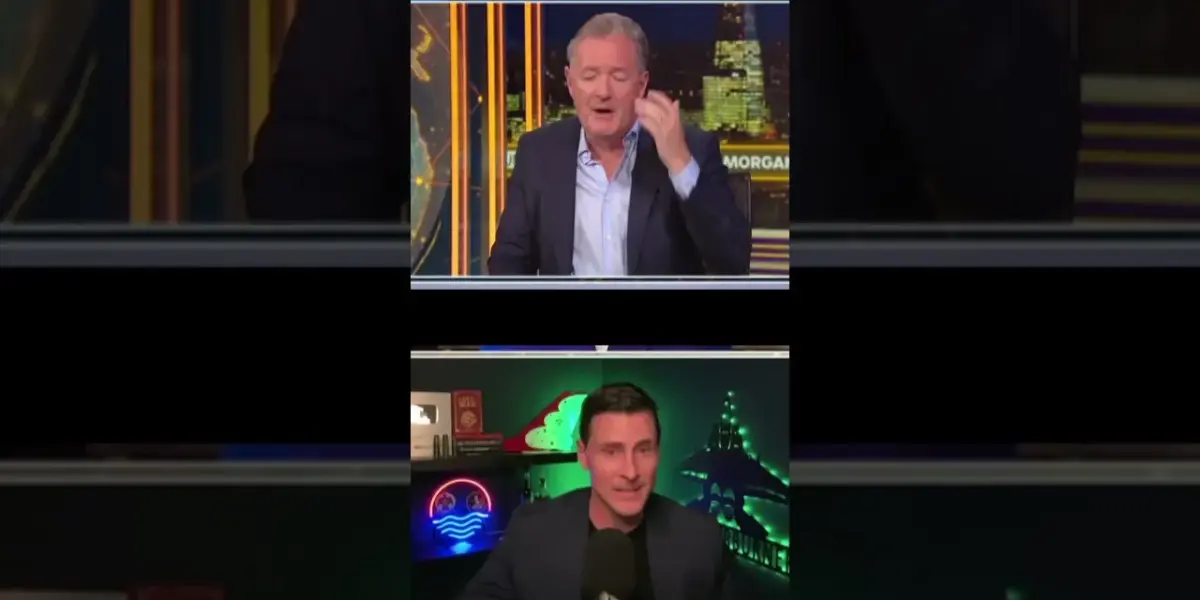
Trump’s War Messaging Sparks ‘Apprentice’ Comparisons
Former President Donald Trump’s approach to discussing potential military action against Iran has drawn sharp criticism. Critics compare his messaging style to a reality television show, sparking debate over the appropriateness of such tactics in matters of war and life-or-death situations.
One commentator, who previously appeared on Trump’s show “Celebrity Apprentice,” noted a striking resemblance between Trump’s current war-related pronouncements and the format of the reality competition. This comparison highlights concerns that Trump is treating serious geopolitical events like a game or a made-for-television production. The use of memes and Hollywood-style videos to discuss potential military engagements further fuels these criticisms.
Concerns Over War as Entertainment
The individual expressed discomfort with this approach, stating that war is not a game. They emphasized that war is as real as life and death can get. The idea of the conflict being presented like a reality show, even with specific broadcast times like “prime time 8:00 p.m.
Eastern,” feels inappropriate. This style is seen as particularly unsettling given Trump’s background in reality television.
The commentator wished Trump would adopt a more respectful and serious tone when discussing potential military actions. They believe there are more appropriate ways to handle such sensitive topics. This sentiment suggests a desire for a more somber and dignified approach to discussions involving international conflict and potential casualties.
Propaganda and Media Warfare
However, others argue that in the current geopolitical climate, discussions about war are inherently intertwined with propaganda. This perspective suggests that Trump’s tactics might be a deliberate strategy to engage in media warfare. The comparison is made to the propaganda efforts of groups like the IRGC, indicating that the battle for hearts and minds plays out significantly in the media space.
From this viewpoint, Trump is seen as actively fighting a war in the media as well as on the potential battlefield. This suggests that his messaging, however unconventional, could be a calculated move within a larger propaganda strategy. The effectiveness and ethical implications of using such methods remain a subject of intense debate.
Historical Context and Strategic Considerations
The discussion also touched upon Trump’s past statements regarding Iran. References were made to an interview from the 1980s where Trump reportedly stated that Iran needed to be bombed and its regime taken out. This historical context is presented to show a consistent, albeit aggressive, stance towards Iran throughout his public life.
The strategic incentive for U.S. involvement was discussed, referencing comments by Senator Marco Rubio. Rubio reportedly explained that the incentive for American involvement was linked to Israel’s stated intention to attack. This suggests a coordinated approach where Israel’s security concerns directly influence U.S. policy decisions regarding the region.
While Israel clearly benefits from potential U.S. military action, the argument is made that America also stands to gain significantly. The exact nature of these benefits was not detailed, but the implication is that U.S. strategic interests align with confronting Iran. This highlights the complex web of alliances and national interests at play in the Middle East.
Strategic Implications
The framing of potential conflict as a reality show, even if intended as a propaganda tool, carries significant risks. It can trivialize the human cost of war and create a disconnect between public perception and the grim realities of military engagement. This approach might also embolden adversaries by suggesting a lack of seriousness or resolve.
Conversely, if Trump’s tactics are viewed as a deliberate media warfare strategy, they could be seen as an attempt to shape public opinion and deter adversaries through unconventional means. This approach mirrors historical examples where psychological operations and propaganda were integral to military campaigns. The success of such tactics often depends on the target audience’s reception and the broader geopolitical context.
The debate over Trump’s messaging highlights the evolving nature of information warfare. At a time when media narratives can significantly influence public perception and international relations, the way leaders communicate about potential conflict is as critical as the military plans themselves. The effectiveness of these communication strategies, and their ethical boundaries, will continue to be scrutinized.
Source: Intense Duel Max Afterburner vs Piers Morgan Over Trump Truth Social Warning (YouTube)

Related Articles
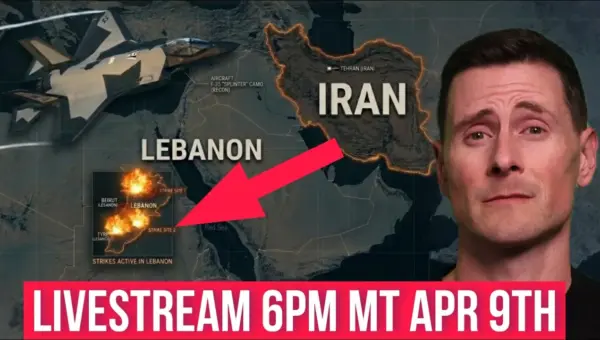
Pilot Tests New Tech for Live Shows
A fighter pilot is testing new broadcasting software, Restream, to enhance live streams discussing geopolitical events. The pilot worked through technical issues with audio and video across platforms like X and Twitch. Viewer feedback was crucial in refining graphics, chat integration, and ad functionality.
Israel Strikes Iranian Proxies Amid Regional Tensions
Israel has conducted strikes against Iranian proxy targets in the Middle East, increasing regional tensions. Concurrently, the U.S. is implementing automatic draft registration for men turning 18, aiming to bolster military readiness.
Iran Plays for Time, Using Strait of Hormuz Leverage
Iran is strategically using its control over the Strait of Hormuz to prolong negotiations and ensure regime survival. Threats of disruption to this vital oil shipping lane are driving up global energy prices, with gasoline in Germany reaching $9.20 a gallon. This tactic makes time Iran's most valuable weapon.