RISC-V: Open Source Chip Design Gains Momentum
RISC-V, an open-source instruction set architecture, is set to transform the semiconductor industry. Its royalty-free, accessible design offers a powerful alternative to proprietary architectures like ARM and x86. This move towards open hardware promises greater innovation and wider access to chip design globally.

RISC-V: Open Source Chip Design Gains Momentum
RISC-V, an open-source instruction set architecture (ISA), is rapidly emerging as a significant player in the semiconductor industry. Unlike proprietary architectures like x86 and ARM, RISC-V offers a completely free and accessible design. This open approach is not just a technical novelty; it has profound implications for global technology access and innovation.
Think of an ISA as the fundamental language that a computer’s processor understands. Just like humans use different languages to communicate, processors use ISAs to execute commands.
X86, common in most PCs, and ARM, dominant in smartphones and tablets, are the established giants. RISC-V, however, is built on the principle of a reduced instruction set computer (RISC) architecture, similar to ARM, which can lead to simpler, more power-efficient designs.
The true power of RISC-V lies in its open-source nature. This means anyone can use, modify, and distribute RISC-V based designs without paying licensing fees.
This stands in stark contrast to ARM and x86, which require significant licensing agreements. This accessibility is a massive advantage for companies and countries facing trade restrictions or seeking to develop custom hardware without relying on a few major global suppliers.
For emerging markets and smaller companies with limited resources, RISC-V presents a unique opportunity. It lowers the barrier to entry for designing custom chips, fostering innovation that might otherwise be stifled by expensive licensing costs. This democratization of chip design could lead to a surge of new devices and specialized processors tailored to specific needs.
Who Should Care About RISC-V?
The implications of RISC-V are far-reaching, impacting various sectors of the technology world. Its open and flexible nature makes it particularly attractive for the burgeoning Internet of Things (IoT) market. Devices like smartwatches, sensors, and other low-power gadgets can benefit from RISC-V’s efficiency and customizability.
RISC-V is gaining traction in areas where control over hardware design is critical. Governments and large corporations looking to reduce reliance on foreign technology or build secure, specialized hardware are exploring RISC-V. This includes applications in areas like artificial intelligence, high-performance computing, and even automotive systems where unique processing capabilities are required.
The open-source model also encourages collaboration and rapid development. Engineers worldwide can contribute to the RISC-V ecosystem, leading to faster improvements and a wider range of available IP cores. This collective effort accelerates the pace of innovation, allowing RISC-V to adapt and evolve quickly to meet new technological challenges.
Competition and Future Outlook
While ARM currently dominates the mobile and embedded space with its power-efficient designs, RISC-V is presenting a compelling alternative. Companies like Qualcomm and MediaTek are already incorporating RISC-V into their chip designs, often alongside their existing ARM-based solutions. This hybrid approach allows them to leverage RISC-V for specific functionalities while maintaining compatibility with established software.
The trajectory for RISC-V appears incredibly strong. Its open nature removes significant hurdles for innovation and adoption.
As more companies and research institutions invest in RISC-V development, we can expect to see an increasing number of products featuring this architecture. The future promises a more diverse and accessible semiconductor industry, driven by the collaborative spirit of open source.
Specs & Key Features
- Architecture: Reduced Instruction Set Computer (RISC)
- Licensing: Open-source, royalty-free
- Customization: Highly modular and extensible
- Target Devices: IoT, embedded systems, AI accelerators, automotive, servers
- Benefits: Power efficiency, cost-effectiveness, design freedom, reduced trade restrictions
The RISC-V International organization is actively working to expand the ISA’s capabilities and promote its adoption. The growing community and increasing industry support suggest that RISC-V is not just a niche alternative but a fundamental shift in how processors are designed and utilized globally. Expect to see more RISC-V announcements throughout the year.
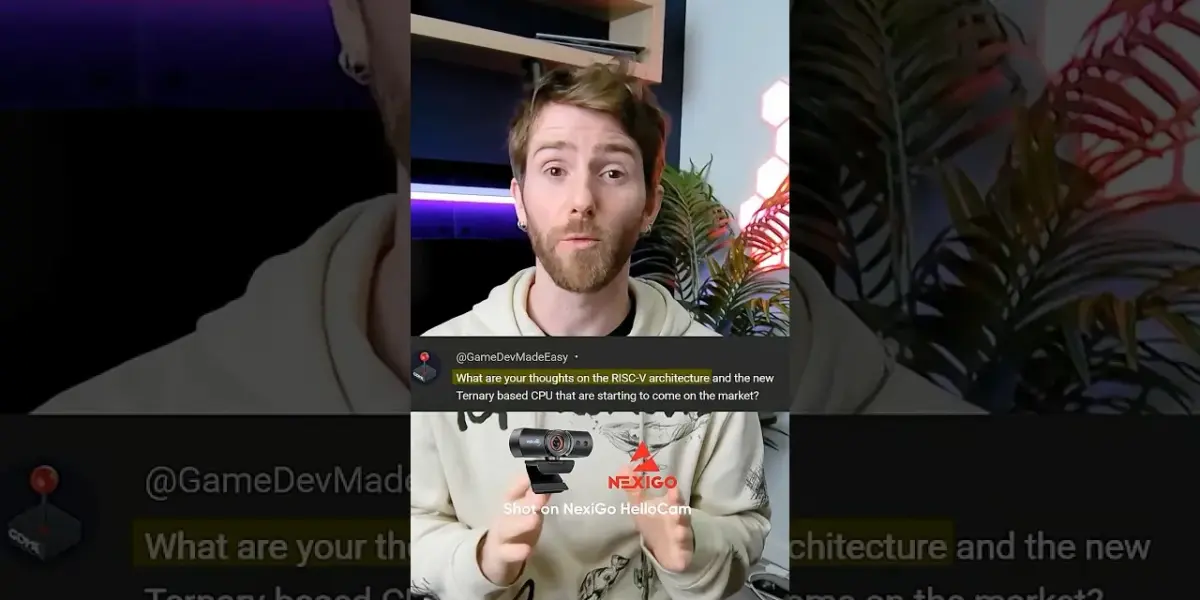
Source: My RISC-V architecture thoughts… (YouTube)

Related Articles


ARM Enters CPU Market with Powerful AGI Chip
ARM has officially entered the high-performance CPU market with its new AGI chip, designed for data centers. This powerful processor aims to offer significant performance and efficiency gains over traditional x86 CPUs. ARM's move challenges established players and opens new possibilities for data center infrastructure.


Slash AI Costs: Run Open-Source Models for Pennies
High costs for AI agents like OpenClaw can be drastically reduced by using HPC AI's direct access to open-source models. This guide shows how to set up a VPS and configure OpenClaw to run on powerful GPUs for pennies, saving up to 70% on API costs.
Taiwan’s Chip Dominance Creates Global Economic ‘Chokepoint’
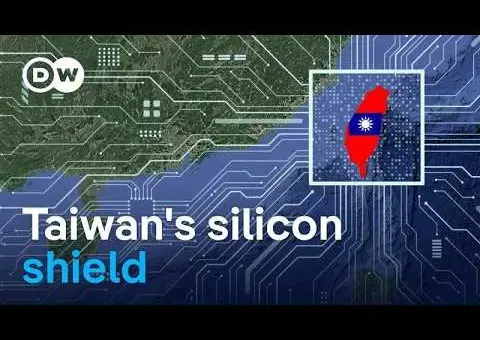
Taiwan's crucial role in manufacturing advanced semiconductors makes it a global economic 'chokepoint,' vital for industries from AI to automotive. While this dominance fuels Taiwan's impressive economic growth, it also raises concerns about global supply chain stability and the island's own economic vulnerability.