Israel Strikes Hezbollah with F-35I Jets
Israeli fighter jets, employing the advanced F-35I Adir, have conducted strikes against Hezbollah in Lebanon. This operation, dubbed 'Eternal Darkness,' targets Iran's proxy forces amidst ongoing tensions and Iran's actions in the Straits of Hormuz. The strikes highlight regional conflicts and the strategic use of stealth technology.

Israel Targets Hezbollah in Lebanon Strikes
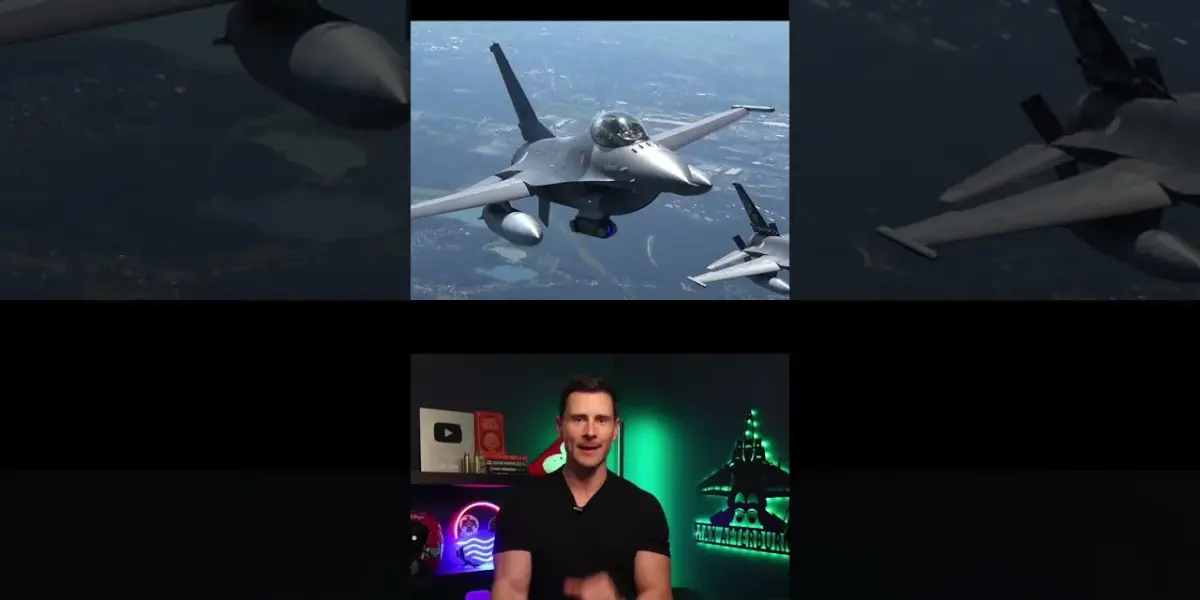
Israeli fighter jets, specifically the F-35I Adir, have conducted strikes against Hezbollah in Lebanon. The operation, reportedly named ‘Eternal Darkness,’ targeted elements of Iran’s proxy forces. This action comes amidst ongoing tensions in the region and Iran’s continued efforts to restrict maritime traffic in the Straits of Hormuz.
The F-35I Adir is a highly advanced stealth fighter jet. Its design allows it to penetrate enemy airspace undetected, deliver its payload, and exit without being engaged. This capability makes it a potent tool for precision strikes against well-defended targets.
Regional Tensions and Maritime Security
Iran’s actions in the Straits of Hormuz remain a significant concern for international shipping and global energy supplies. The waterway is a critical chokepoint for oil transport. Any disruption there can have immediate and far-reaching economic consequences worldwide.
The United States has indicated its military readiness to respond to any escalation. American air power is reportedly positioned to deter further aggression and maintain stability in the region. This posture suggests a readiness to counter actions that threaten international commerce or regional security.
Strategic Context: Iran’s Proxy Network
Hezbollah in Lebanon is considered one of Iran’s most significant proxy forces. These groups extend Iran’s influence and military reach across the Middle East. By targeting these proxies, Israel aims to degrade their capabilities and limit Iran’s ability to project power.
Striking Hezbollah is part of a broader strategy to counter Iranian expansionism. It aims to disrupt supply lines and operational capacity of groups that pose a direct threat to Israel’s security. The F-35I’s stealth capabilities are crucial for such missions, allowing for strikes with a reduced risk of detection and retaliation.
US Diplomatic and Military Posture
The United States has been involved in diplomatic efforts to de-escalate tensions. A ceasefire, reportedly holding, is attributed to current leadership and diplomatic engagement. However, the US military remains on alert, ready to respond if diplomatic efforts fail or if Iran escalates its activities.
This dual approach of diplomacy backed by a credible military threat is a key element of US strategy. It aims to persuade Iran to adhere to international norms and de-escalate regional conflicts. The pressure is on Iran to engage constructively in negotiations regarding its activities and regional role.
Strategic Implications
The recent Israeli strikes highlight the continuing conflict between Israel and Iran’s proxies. It highlights the complex web of alliances and rivalries that define the Middle East’s security environment. The use of advanced aircraft like the F-35I demonstrates Israel’s commitment to maintaining its qualitative military edge.
For Iran, these strikes serve as a reminder of the potential costs of supporting proxy groups. It may also influence their calculations regarding further actions in the Straits of Hormuz or elsewhere. The regional balance of power remains dynamic, with continuous actions and reactions shaping its future.
The effectiveness of the F-35I Adir in these operations will likely be closely monitored. Its ability to operate with stealth and precision is a significant advantage. It allows for targeted strikes that can degrade enemy capabilities while minimizing collateral damage and the risk of escalation.
The broader geopolitical impact is significant. It reinforces the ongoing proxy conflicts that characterize the region. It also signals the continued involvement of major powers, like the US and Israel, in countering perceived threats from Iran and its allies.
The next steps in this ongoing situation will depend on Iran’s reaction and the broader diplomatic landscape. Continued vigilance and readiness are key components of the current strategic approach by the US and its allies.
Source: You WON'T BELIEVE What Israeli Fighter Jets Just Did to Iran's Proxy Force (YouTube)

Related Articles

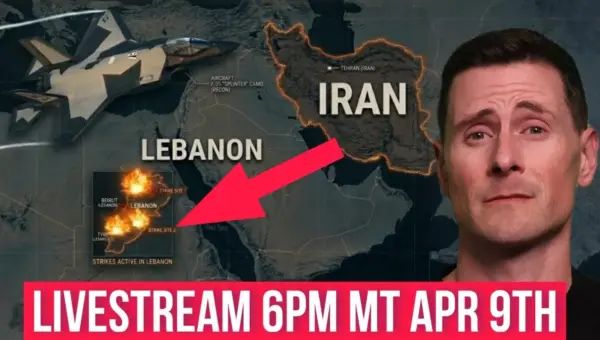
Israel Strikes Iranian Proxies Amid Regional Tensions
Israel has conducted strikes against Iranian proxy targets in the Middle East, increasing regional tensions. Concurrently, the U.S. is implementing automatic draft registration for men turning 18, aiming to bolster military readiness.


Israel OKs Lebanon Talks After Deadly Strikes, Hezbollah Targeted
Israeli Prime Minister Benjamin Netanyahu has authorized direct negotiations with Lebanon following recent deadly strikes. The talks aim to disarm Hezbollah and establish peace, even as the IDF eliminated a top Hezbollah commander. Meanwhile, Iran criticized the strikes and warned against undermining a fragile ceasefire ahead of US-Iran peace talks.

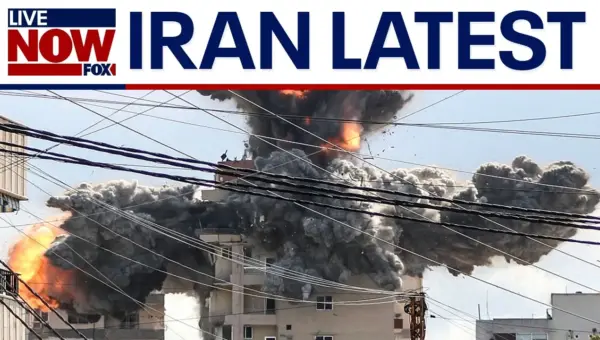
Iran Ceasefire Falters Amid Israel Attacks on Lebanon
A fragile two-week ceasefire between the US and Iran has reportedly collapsed following Israeli airstrikes on Lebanon. Iran views the attacks as a violation, casting doubt on upcoming peace talks in Islamabad, Pakistan. The outcome of these crucial negotiations will determine the region's stability.