US Markets Surge as Iran Tensions Ease, Oil Prices Steady
U.S. stock markets are hitting new highs as tensions with Iran ease, with the S&P 500 reaching record levels. Despite persistent oil prices around $92 a barrel, the U.S. economy shows resilience, boosted by record oil exports. The focus is shifting to the economic confrontation with Iran, including the non-renewal of oil sales waivers, and long-term strategies to bypass the Strait of Hormuz.

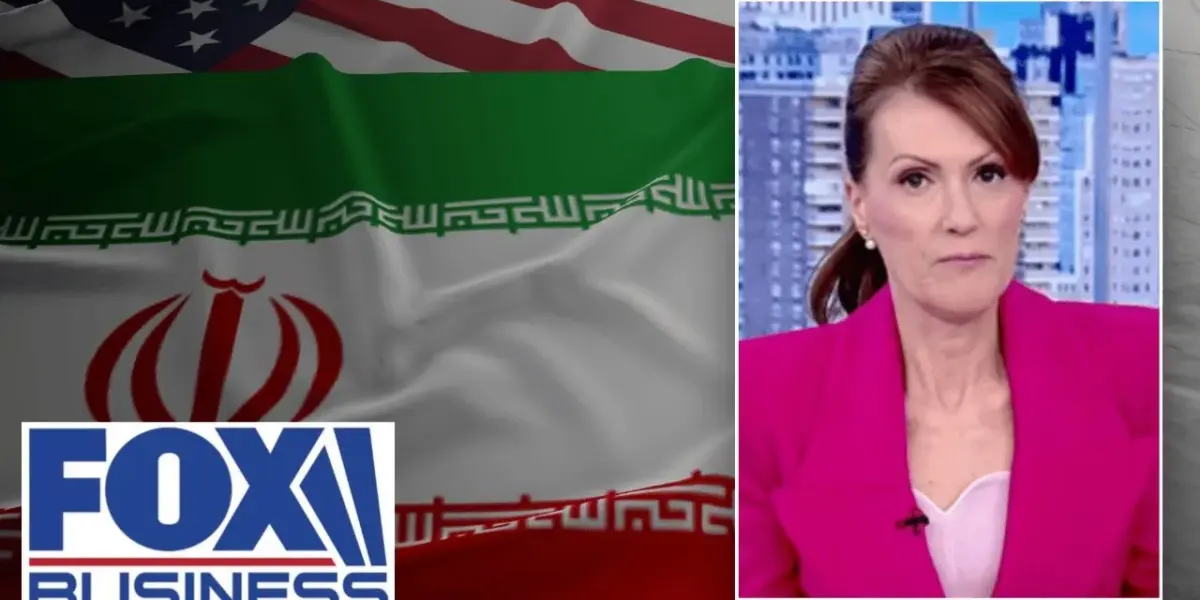
Markets Rally on Easing Iran Conflict, Economic Resilience Shines
Major U.S. stock indexes, including the Nasdaq and S&P 500, have reached new highs as optimism grows that the conflict involving Iran is nearing its end. The S&P 500 hit an intraday record of 6,987,000, signaling a strong recovery after initial market jitters. Oil prices have stabilized around $92 a barrel, a level that, while impactful for consumers, is not yet severe enough to derail corporate benefits from recent economic tailwinds.
Economic Strength Underpins Market Gains
Despite concerns about rising gasoline prices, the U.S. economy is showing remarkable resilience. U.S. exports of crude oil and refined products have hit a new record, with over 12.744 billion barrels per day shipped out. This surge in exports is a significant boon to the American economy. Even with higher gas prices, consumers are not drastically cutting back on other spending. Data shows that while spending on gas has increased by about 1%, it still represents a manageable portion of overall consumer budgets. Financial institutions like Wells Fargo suggest consumers have several months before higher gas prices force significant changes in their spending habits, likely not until the end of the year if prices remain elevated.
Sanctions and Trade: The Economic War Continues
While the prospect of a hot war in Iran may be fading, the economic confrontation is expected to continue for years. The effectiveness of sanctions in starving the Iranian regime of assets and revenue is highlighted as critically important. A key development is the upcoming expiration of a U.S. Treasury waiver that allowed Iran to sell its oil without penalty. This waiver, set to expire soon, will not be renewed. It was initially granted to prevent an immediate oil supply shock during the conflict in the Strait of Hormuz. The Treasury Department’s decision to allow Iran to sell oil at a premium was a temporary measure to ensure global oil supply stability.
Europe’s Role in Post-Conflict Stability
European allies are stepping forward to draft a postwar plan for the Strait of Hormuz, aiming to secure oil transit routes without direct U.S. involvement. This move aligns with U.S. objectives and signifies a coordinated effort towards regional stability. The potential for Europe to police the Strait of Hormuz could further diminish Iran’s influence and leverage.
Long-Term Strategies to Reduce Strait of Hormuz Reliance
Looking beyond the immediate conflict, Gulf nations are pursuing long-term strategies to make the Strait of Hormuz less critical for oil exports. Saudi Arabia plans to expand its pipeline capacity to the Red Sea, and the UAE is enhancing its existing pipeline to the Gulf. There are even discussions about a massive pipeline from Saudi Arabia across Jordan to an Israeli Mediterranean port. Kuwait and Iraq are also developing pipelines to the Mediterranean. These infrastructure projects, while taking years to complete, aim to create alternative routes, significantly reducing Iran’s ability to use the Strait of Hormuz as a strategic weapon.
What Investors Should Know
The U.S. market’s strong performance reflects growing confidence in a de-escalation of the Iran conflict and the underlying strength of the American economy. Record oil exports are a significant positive for the U.S., while the non-renewal of Iran’s oil sales waiver could tighten global supply and potentially impact oil prices in the medium term. Investors should monitor the progress of alternative pipeline projects, as these represent a long-term structural shift that will reduce geopolitical risk associated with the Strait of Hormuz. While consumers may face continued pressure from higher gas prices, current data suggests this is not yet significantly impacting broader spending or corporate earnings.
Source: McDowell sounds alarm on what's 'CRITICALLY IMPORTANT' in Iran war (YouTube)

Related Articles
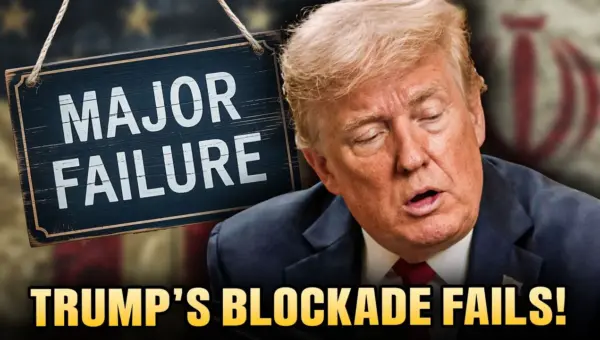
Trump’s Blockade Fails, Allies Shun Mission: A Pattern?
A reported failure of Donald Trump's blockade of the Strait of Hormuz, with ships passing through unimpeded, raises questions about policy effectiveness. This incident, coupled with allies' reluctance to join the mission, suggests a pattern of unintended consequences and strained international relations.


Russia’s War Costs Strain Putin’s Elite Bargain
Russia's prolonged war in Ukraine is straining President Putin's grip on power. Declining oil revenues and escalating military costs are forcing internal power shifts, with intelligence services reportedly gaining influence. This financial pressure is creating significant discontent among the elite and risking broader instability within the Kremlin.

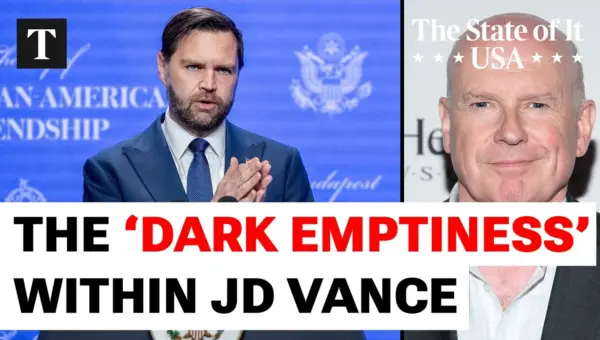
Trump’s “Malignant Narcissism” and Vance’s “Dark Emptiness”
Gerard Baker and Katy Balls discuss Donald Trump's "malignant narcissism" and JD Vance's perceived "dark emptiness." The conversation covers the US blockade of Iran, Vance's evolving role, and Trump's controversial "Jesus Christ" post, exploring its political implications and the nature of faith and authenticity in politics.