Astronauts Face Fiery Re-entry, Jarring Landings After Space Mission
Astronauts recently experienced a dramatic return to Earth, enduring intense G-forces and multiple parachute deployments. The journey from microgravity to splashdown involved fiery atmospheric re-entry and a significant water impact. This rigorous process highlights the extreme physical demands of space travel.

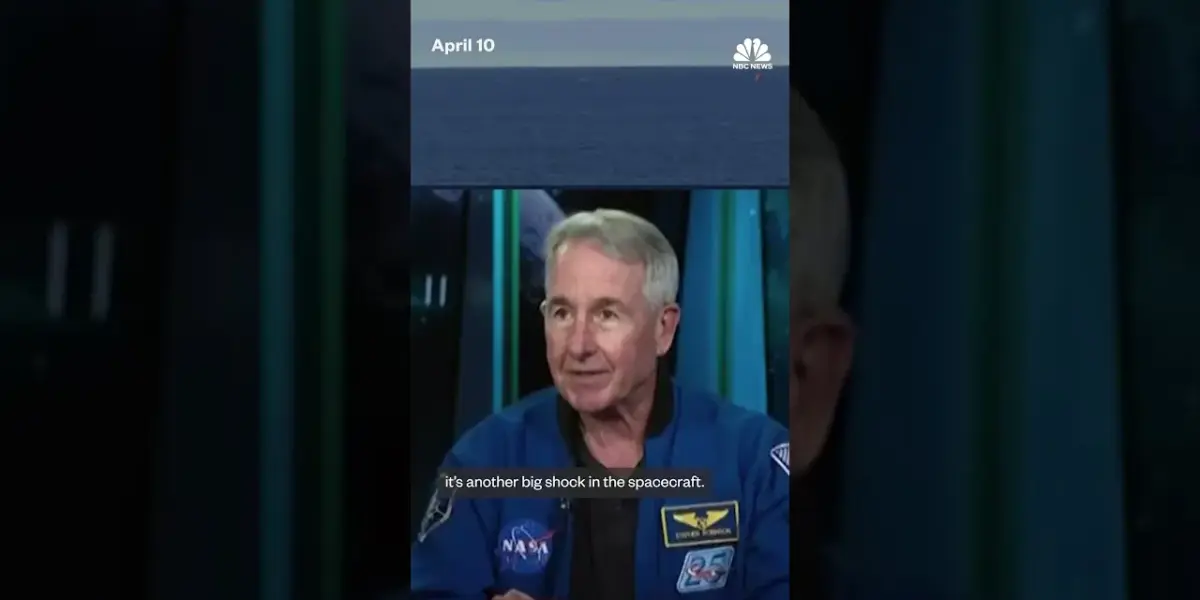
Astronauts End Space Journey With Intense Descent
Astronauts recently completed a remarkable journey, transitioning from the weightlessness of space to the familiar pull of Earth’s gravity in a matter of hours. This intense experience involves a series of powerful physical and sensory events. The return to Earth is far from a gentle process, testing the limits of both the astronauts and their spacecraft.
Their mission began with the unique environment of microgravity, where everything floats freely. Astronauts adapt to this weightless state, a stark contrast to the forces they will soon endure. The spacecraft journeyed through space, a period of unique adaptation and observation.
The Force of Re-entry
The return trip starts with astronauts strapping into their seats, preparing for the immense forces of re-entry. As the spacecraft enters Earth’s atmosphere, a gradual but powerful force, known as G-force, begins to build. This force can reach up to 4 Gs, meaning astronauts feel four times their normal body weight pressing down on them.
During this phase, astronauts often witness extraordinary sights through the spacecraft’s windows. They see the vibrant colors of plasma, a superheated gas formed as the spacecraft cuts through the atmosphere. The sheer force of this atmospheric entry is a significant event, a visible and physical confirmation of their return.
Parachutes and Impact
After enduring the heat and pressure of atmospheric re-entry, the spacecraft deploys drogues chutes. These are small parachutes designed to slow the vehicle down significantly. Their deployment creates a noticeable jolt within the spacecraft, a sudden deceleration that astronauts feel acutely.
Following the drogue chutes, the main parachutes are released, further reducing the spacecraft’s speed. The opening of these larger chutes causes another substantial shock, a powerful jolt that reverberates through the capsule. This sequence of parachute deployments is crucial for a safe, albeit jarring, descent.
Splashdown and Reflection
The final stage of the return is splashdown, where the spacecraft lands in the ocean. This impact is far from gentle; it’s described as a significant smack on the water’s surface. The force of hitting the ocean can be substantial, adding another layer of intensity to the landing sequence.
After bobbing in the ocean, the astronauts are left to process their incredible experience. They likely sit in quiet reflection, contemplating the journey they have just completed. Questions of accomplishment, reality, and the desire to repeat the adventure are common thoughts after such an extraordinary event.
Broader Implications and Future Returns
The rigorous nature of space travel and its return highlights the incredible engineering and human resilience involved. Each mission pushes the boundaries of what is possible, demanding peak performance from both technology and the individuals undertaking these voyages. The insights gained from these experiences inform future missions and spacecraft design.
The successful completion of such demanding missions underscores NASA’s capabilities in space exploration. The process, while challenging, is proof of the meticulous planning and training astronauts undergo. It prepares them for the physical and mental rigors of leaving Earth and returning safely.
What to Watch Next
Future missions will continue to refine re-entry and landing procedures, aiming for even smoother returns. Astronauts will continue to share their unique perspectives, offering valuable insights into the human experience of spaceflight. The next crewed mission is scheduled for a late 2024 launch, with their return expected to follow a similar, intense trajectory.
Source: Former NASA astronaut describes what it is like to return to Earth from space (YouTube)

Related Articles

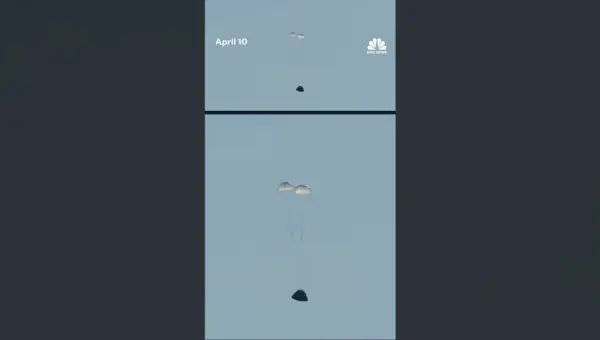
Orion Capsule Safely Deploys Parachutes for Splashdown
NASA's Orion capsule successfully deployed its parachute system, including drogue and main chutes, during its return to Earth. This critical step ensures a safe descent for the spacecraft as part of the Artemis program's lunar exploration goals. Mission control confirmed all parachutes functioned correctly, paving the way for splashdown.

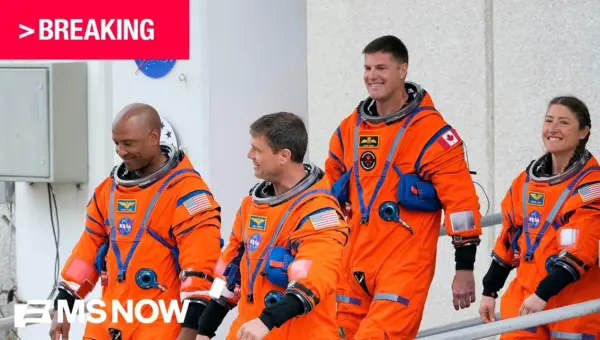
Artemis II Astronauts Splash Down After Moon Orbit Mission
Four astronauts have successfully returned to Earth, splashing down in the Pacific Ocean after orbiting the Moon on the historic Artemis II mission. The crew, comprising American and Canadian astronauts, completed a nine-day journey, marking the first human voyage to the Moon's vicinity in over half a century. Their safe return is a major milestone for space exploration.

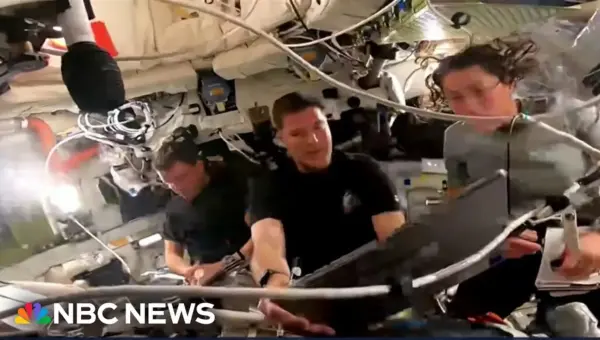
Artemis II Astronauts Prepare for Fiery Earth Return
The four astronauts of the Artemis II mission are preparing for their fiery re-entry into Earth's atmosphere tomorrow. After orbiting the Moon, the Orion spacecraft will splash down off the coast of San Diego, where Navy teams await to recover the crew. Initial medical evaluations will assess astronauts for common space travel symptoms like nausea and vertigo.